Brenden Brain · CC BY-SA 3.0 · Wikimedia Commons
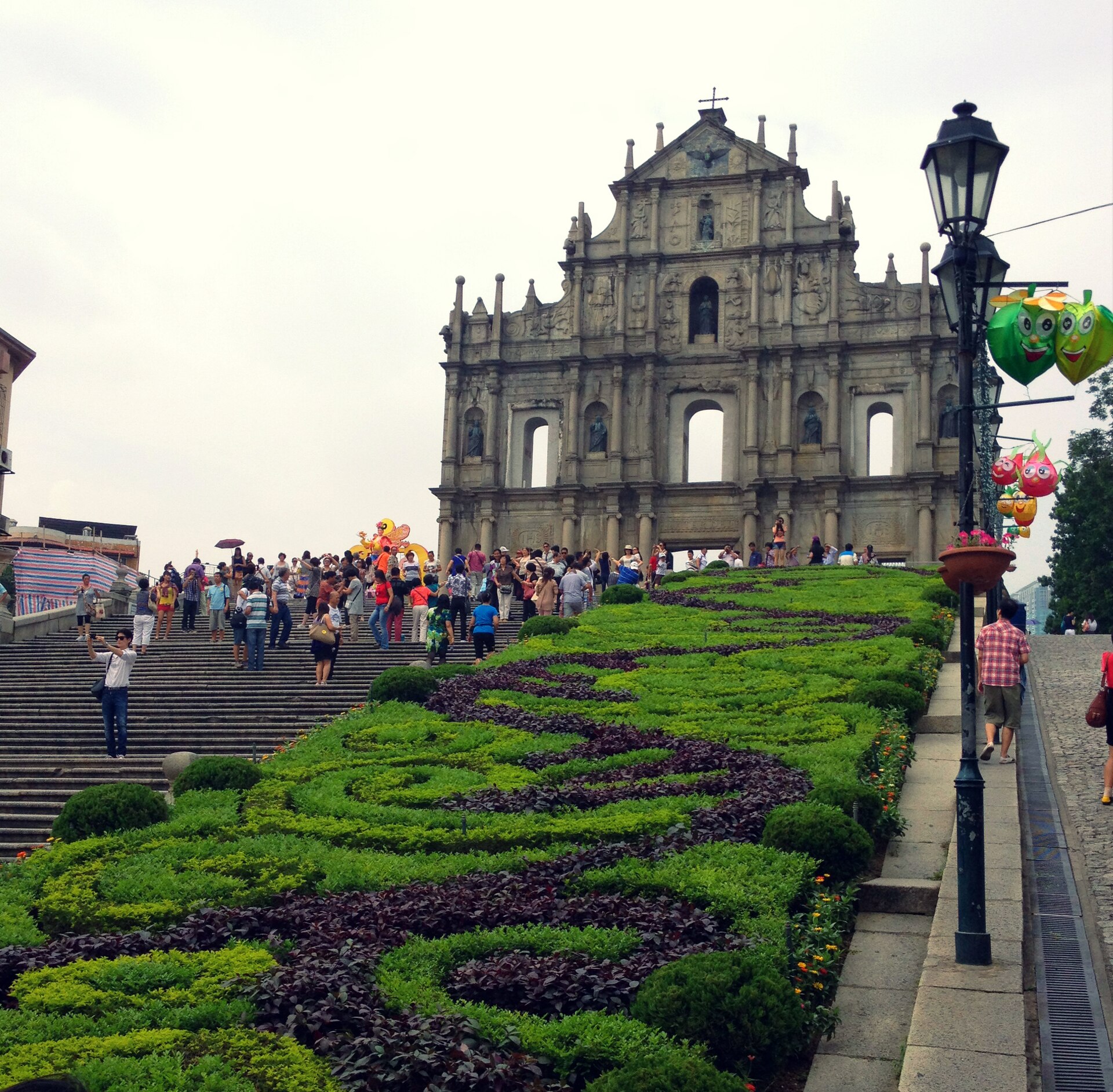
Ruins of St. Paul's
Macau’s most recognisable stone façade. Next stop is usually Monte Fort or Lover’s Lane — not Cotai yet.
macau-peninsula
Heritage core: Ruins of St. Paul’s, Senado Square, A-Ma Temple and Guia Lighthouse layered over stone streets and forts.
Nelson48 at English Wikipedia · Public domain · Wikimedia Commons
Macau walking engine 92
22.193000, 113.540000
Location unused. Tap “My location” to measure distance with browser GPS.
Brenden Brain · CC BY-SA 3.0 · Wikimedia Commons
Macau’s most recognisable stone façade. Next stop is usually Monte Fort or Lover’s Lane — not Cotai yet.
The Red Hat of Pat Ferrick at English Wikipedia · Public domain · Wikimedia Commons
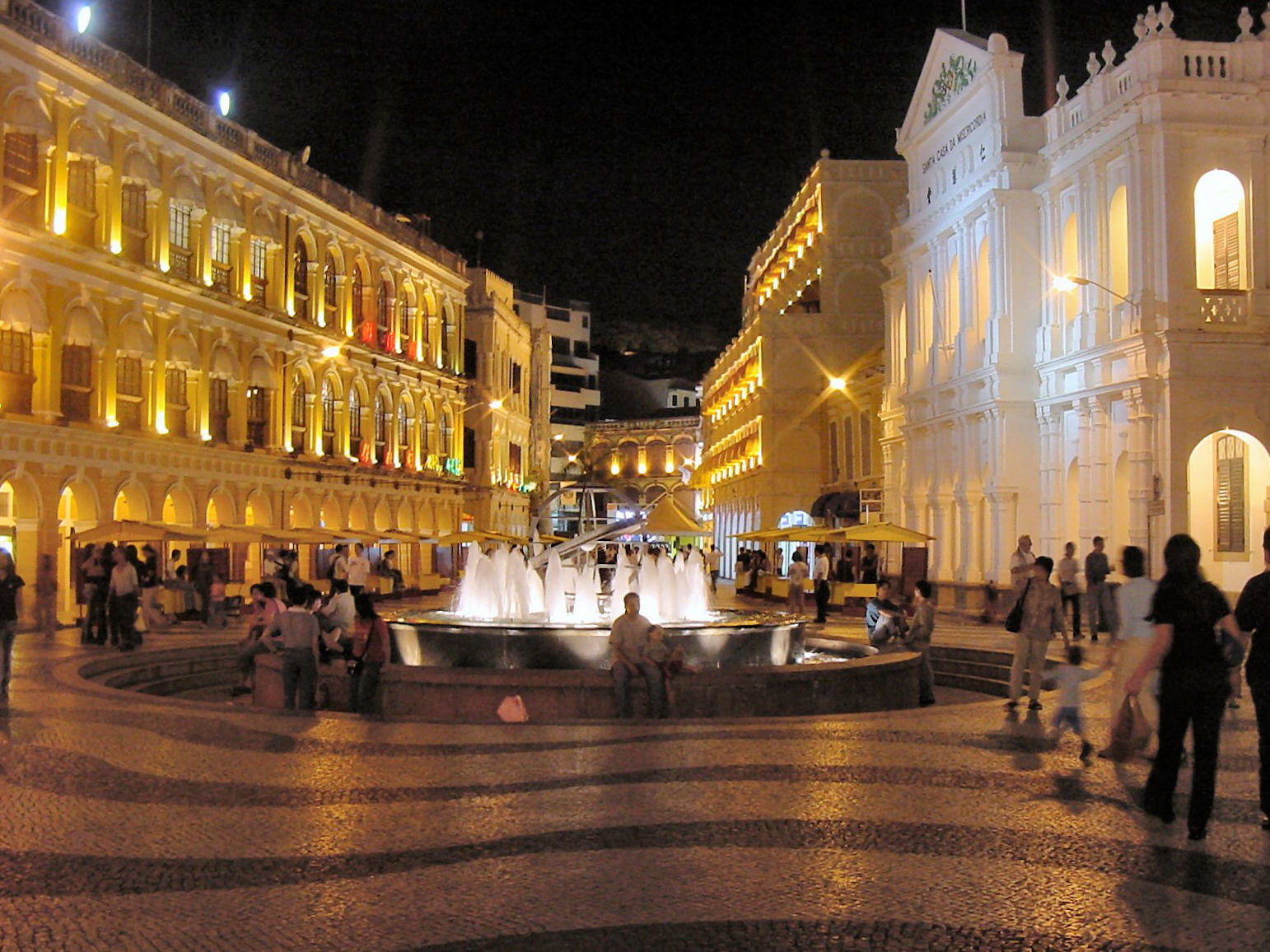
The wave-pattern civic square radiating to St. Dominic’s, St. Augustine’s and Avenida Almeida Ribeiro.
yeowatzup · CC BY 2.0 · Wikimedia Commons
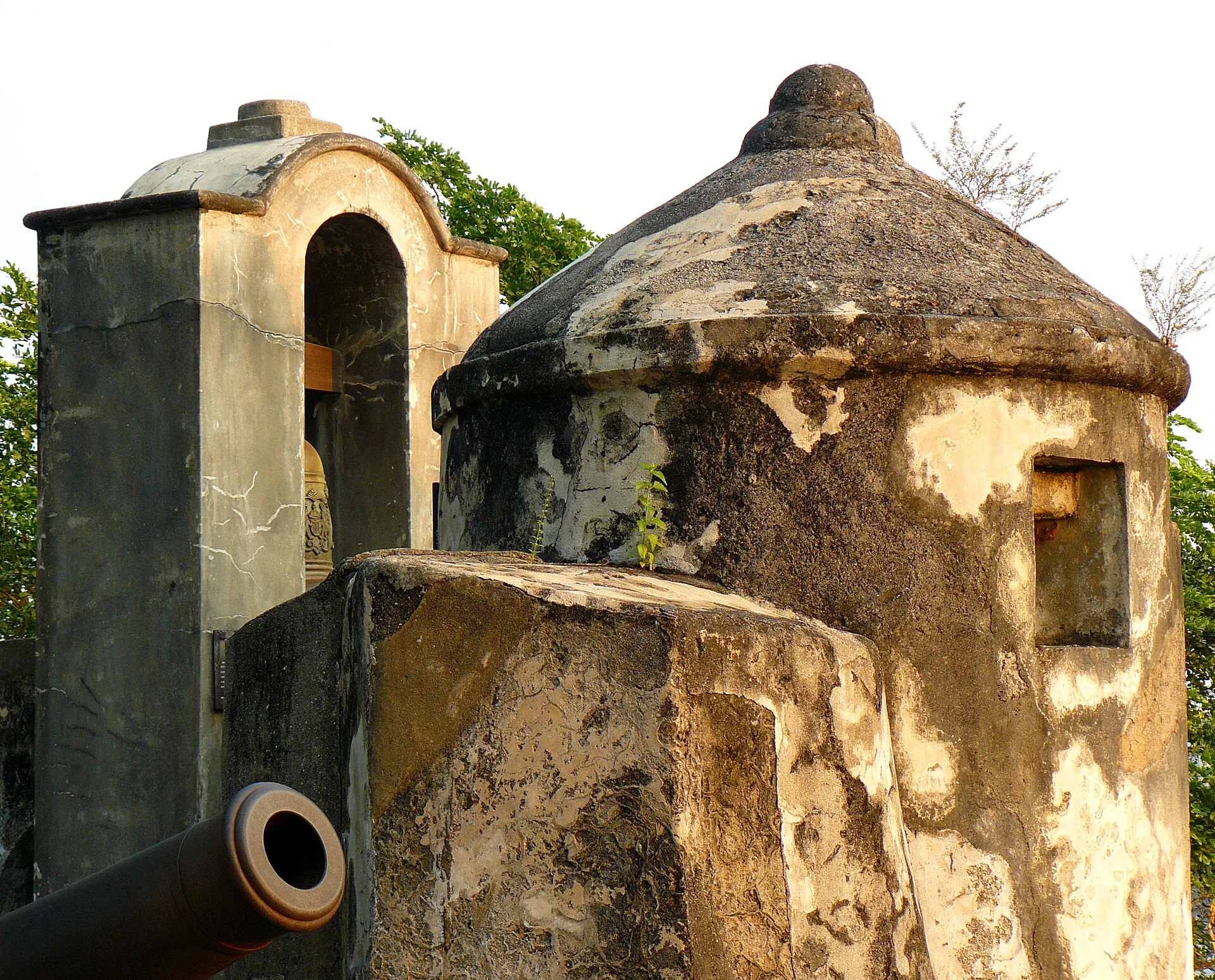
A fort garden over old town and harbour — same climb as St. Paul’s, one walking line.
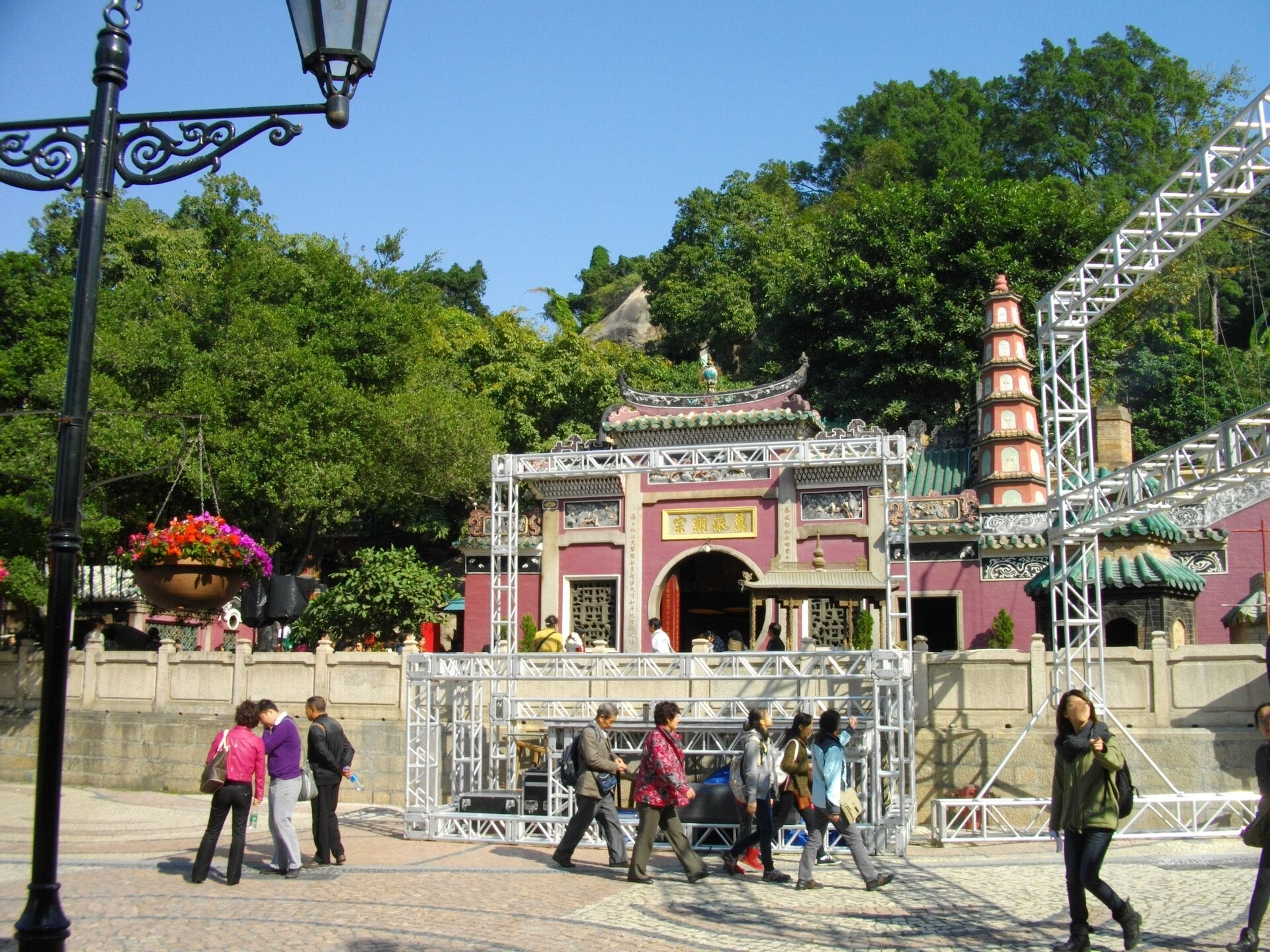
Abasaa · Public domain · Wikimedia Commons
One origin story of Macau’s name — harbour incense and rock carvings for open or close of a day.
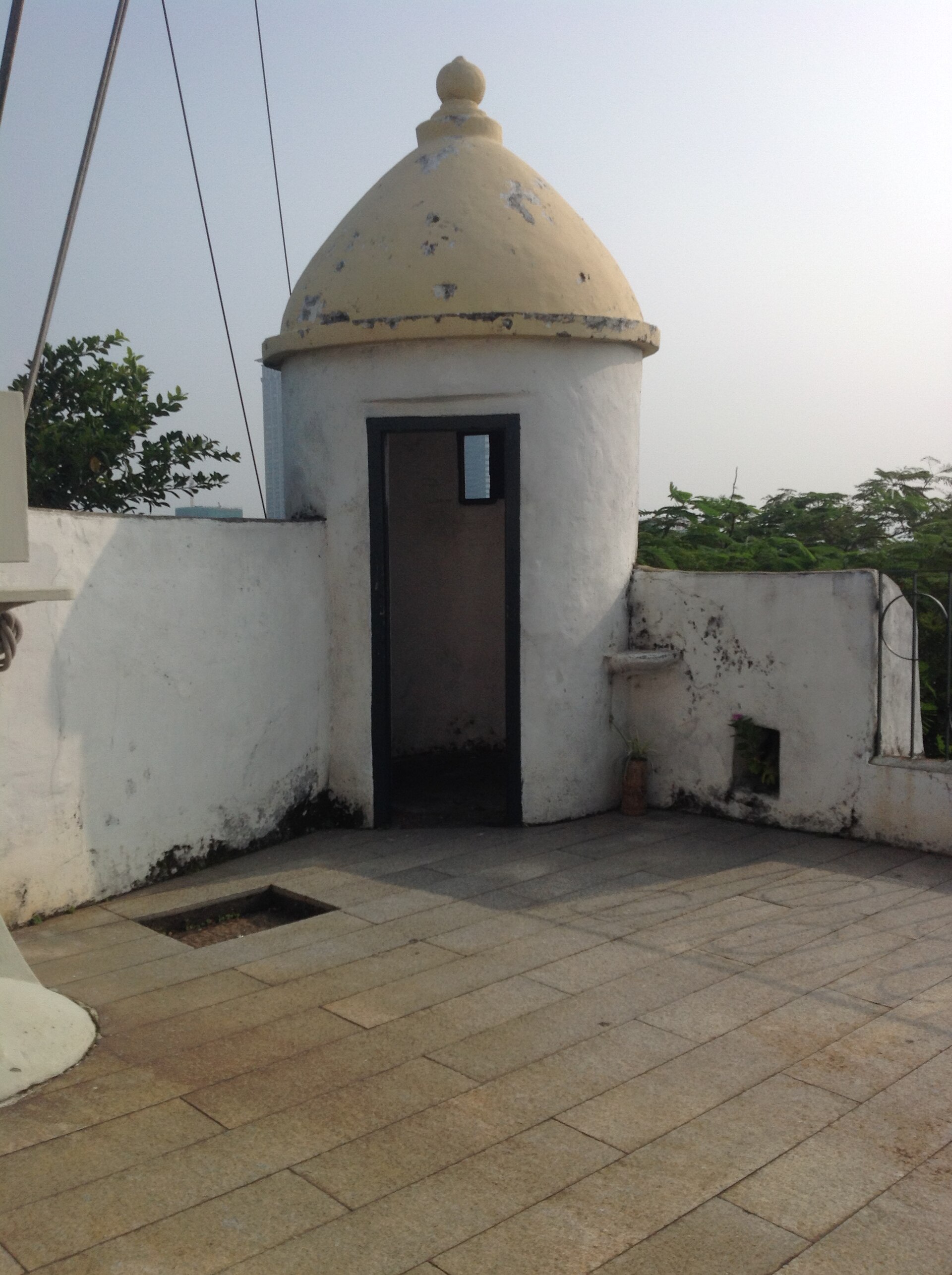
Jhmlms · CC BY-SA 3.0 · Wikimedia Commons
Lighthouse and chapel on Guia Hill — a city-scale high point, not a Coloane coast.
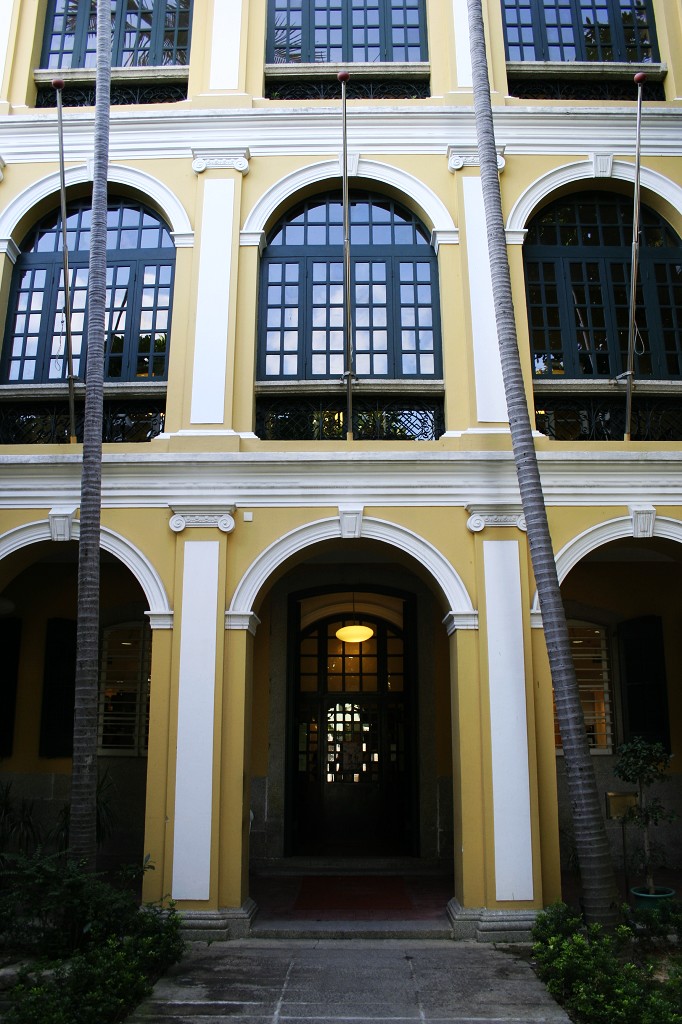
The original uploader was Iidxplus at Chinese Wikipedia . (also known as Billy Au). · CC BY-SA 2.0 · Wikimedia Commons
A quiet cultural beat between heritage routes.
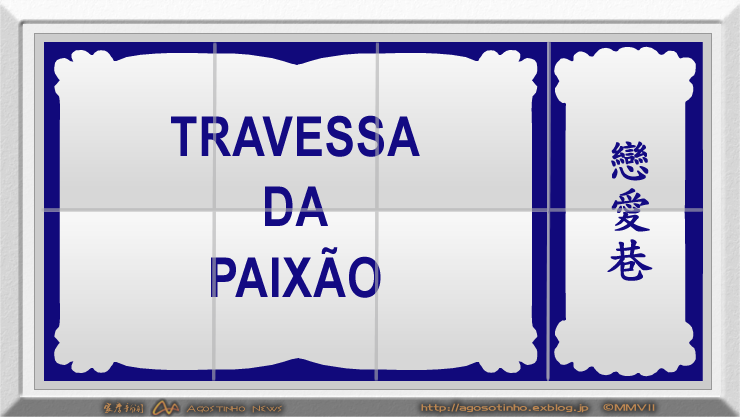
The original uploader was Sdee at Chinese Wikipedia . · CC BY-SA 2.5 · Wikimedia Commons
Narrow photo lane below St. Paul’s — a short stop, not a main drag.
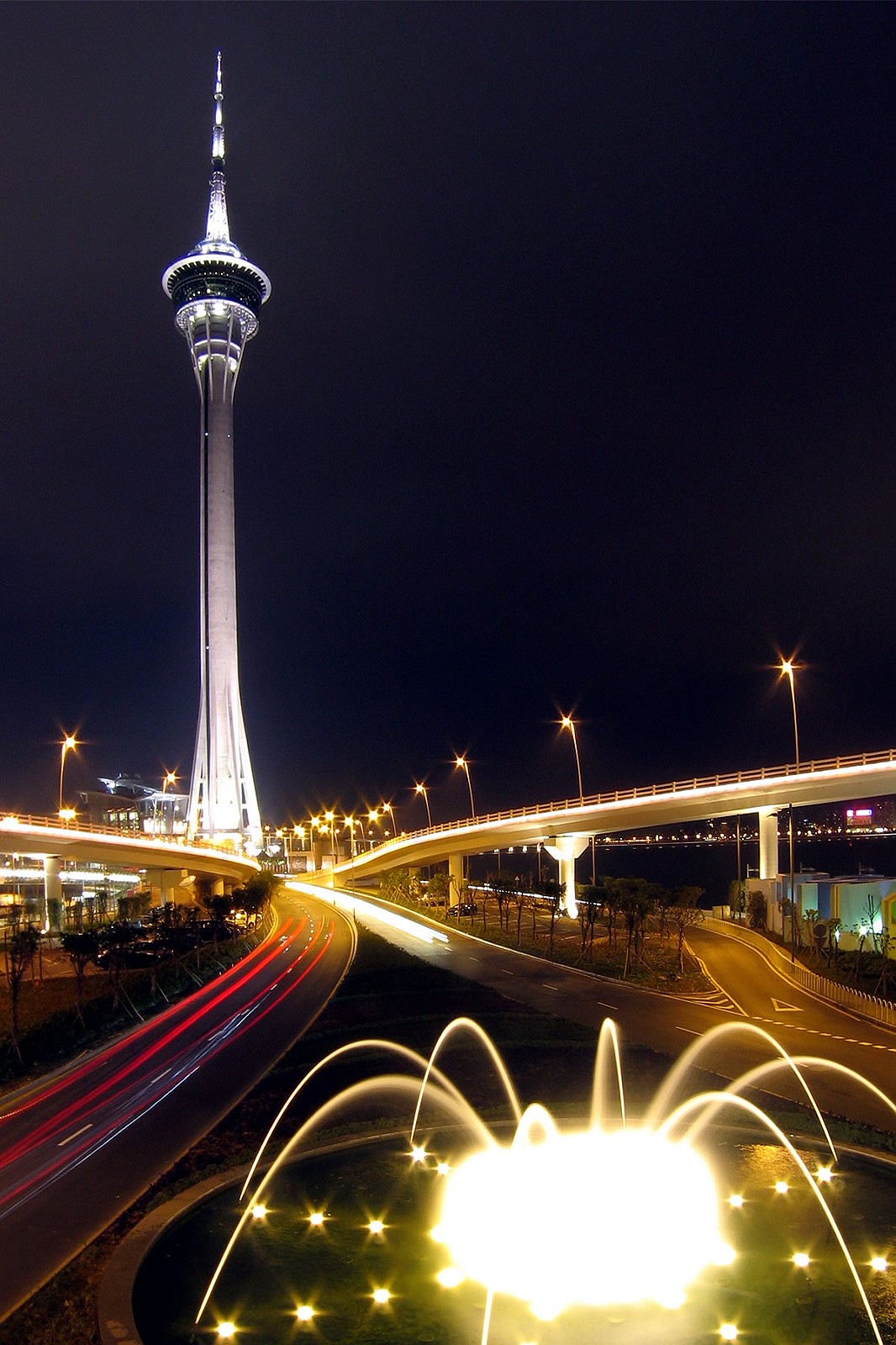
Iidxplus · CC BY-SA 3.0 · Wikimedia Commons
Peninsula south vertical lookout — clear dusk works; do not jam it into the same morning as Senado.
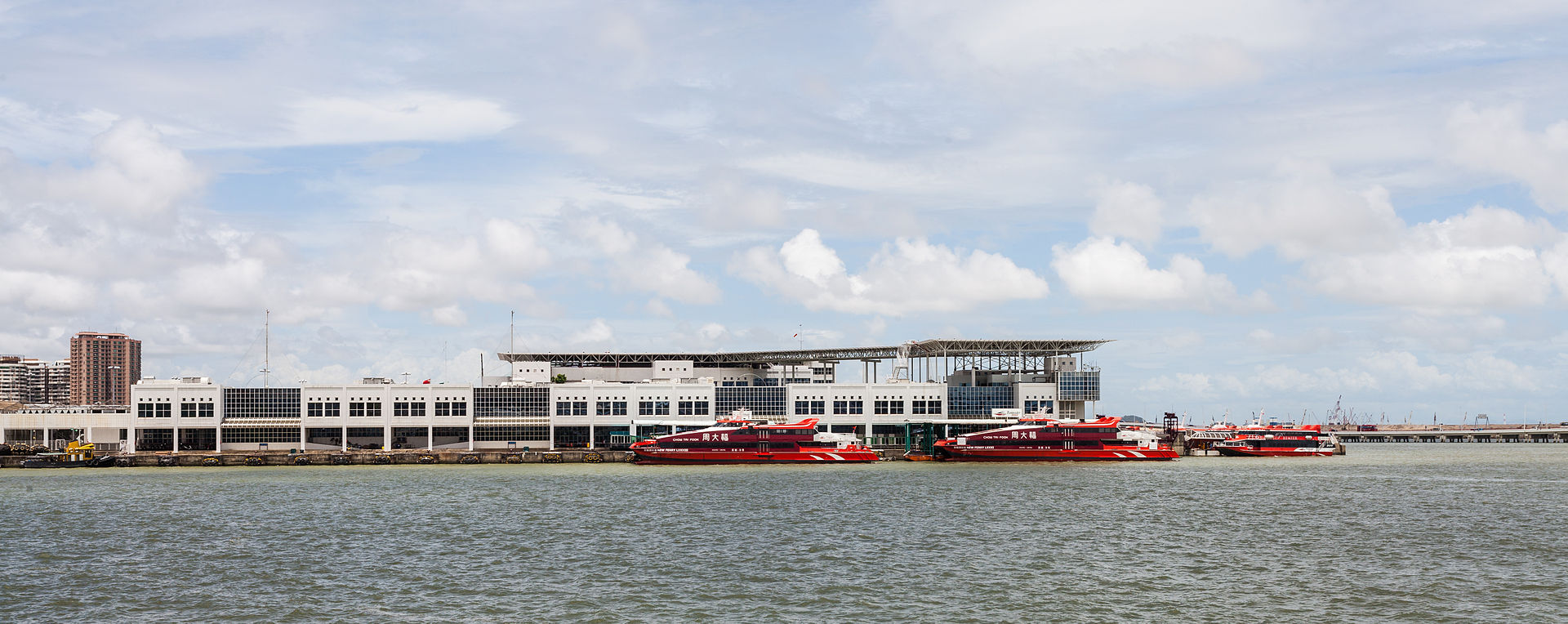
Diego Delso · CC BY-SA 3.0 · Wikimedia Commons
Peninsula gateway for HK/Shenzhen ferries — buffer for arrival/return, not a sight.
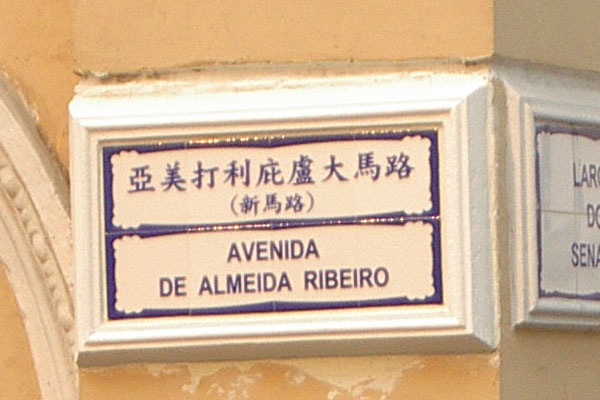
The original uploader was Netsonfong at Chinese Wikipedia . · CC BY-SA 3.0 · Wikimedia Commons
The old commercial route from Senado to the Inner Harbour — souvenirs, pharmacies and old shopfronts on one line, ending at the harbour or A-Ma.
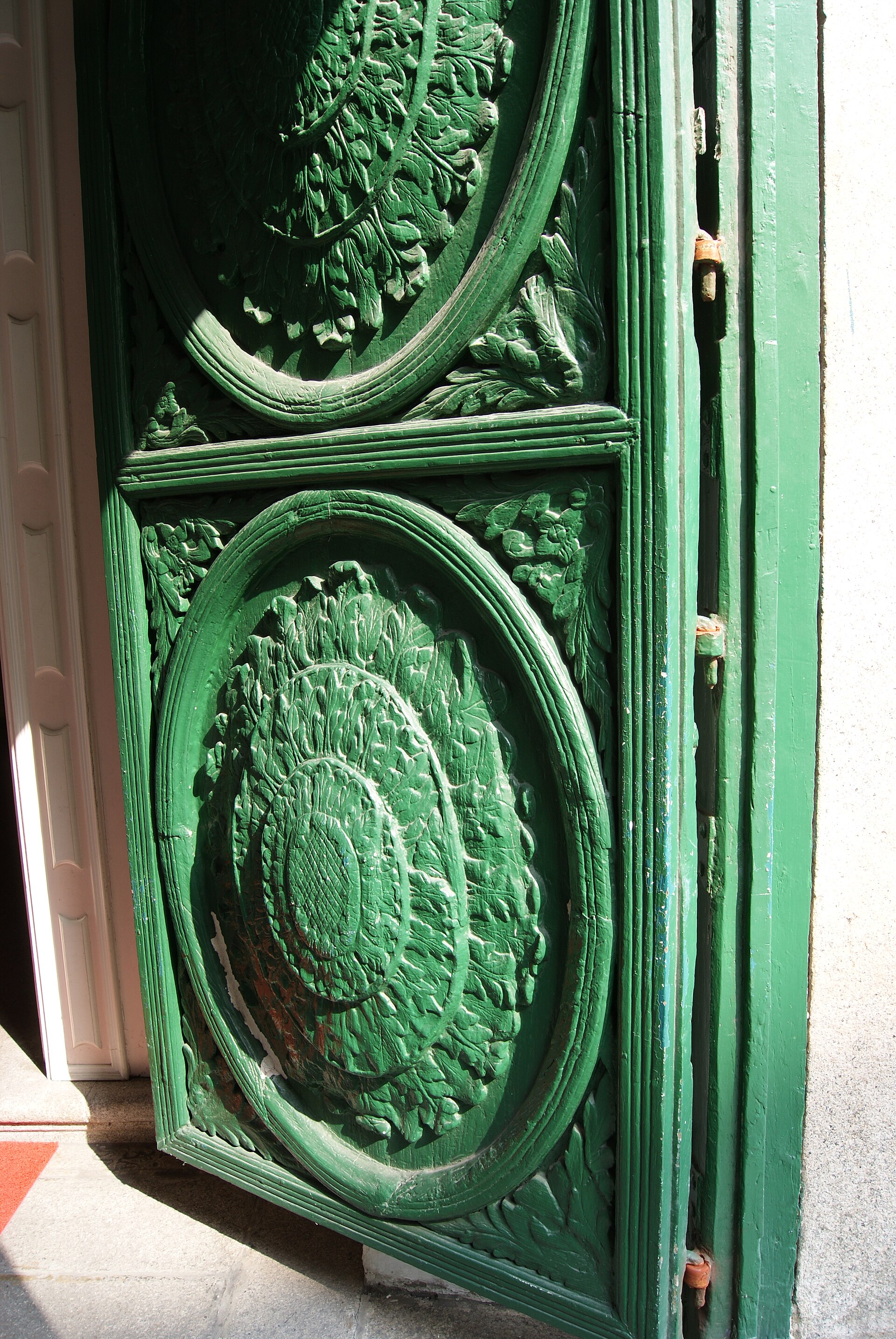
Jacklee . · CC BY-SA 3.0 · Wikimedia Commons
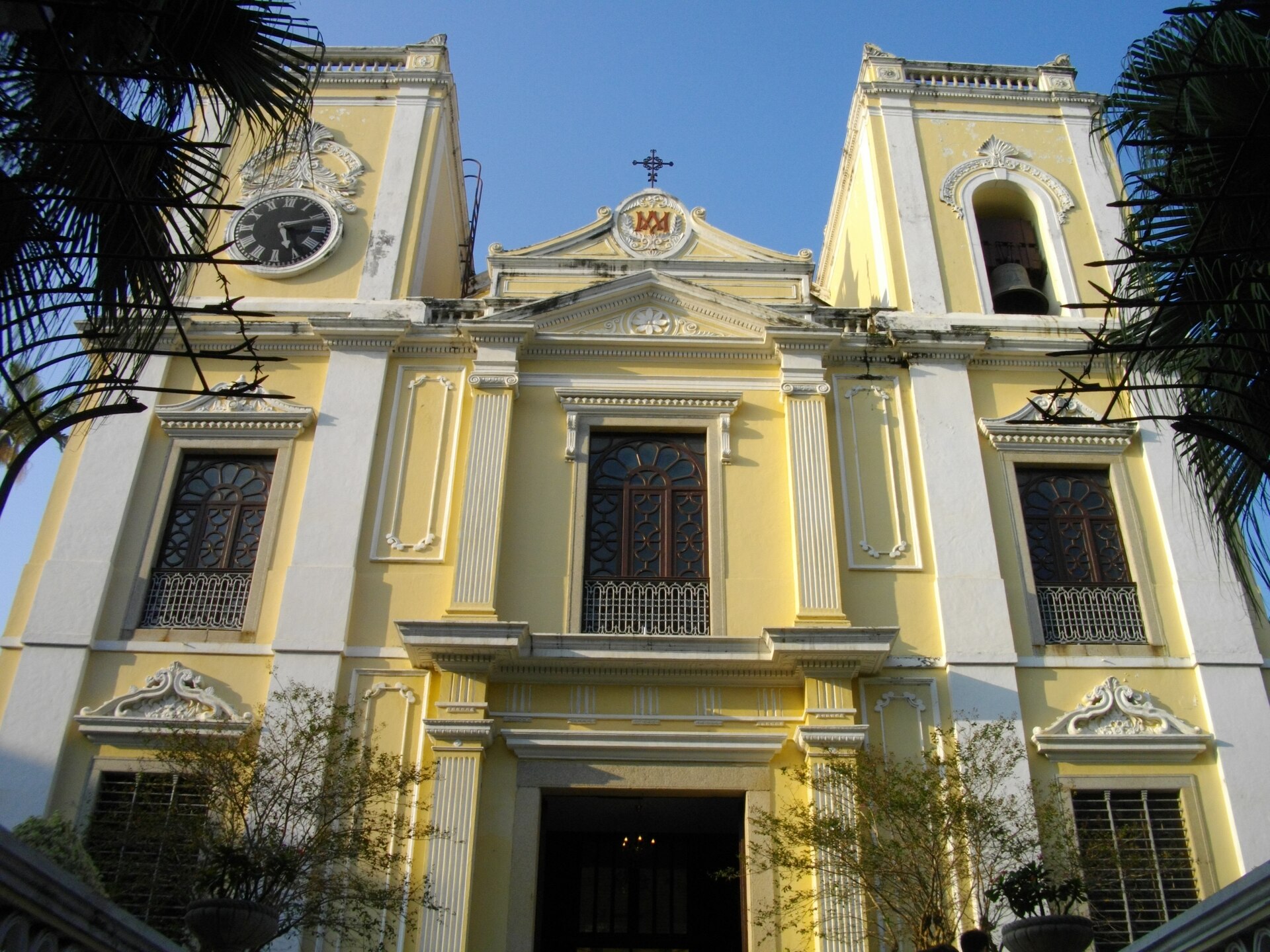
The yellow baroque front beside Senado Square — same walking segment as St. Paul's, no separate trip needed.
Niels Elgaard Larsen - User: (WT-shared) Elgaard at wts wikivoyage · CC BY-SA 4.0 · Wikimedia Commons
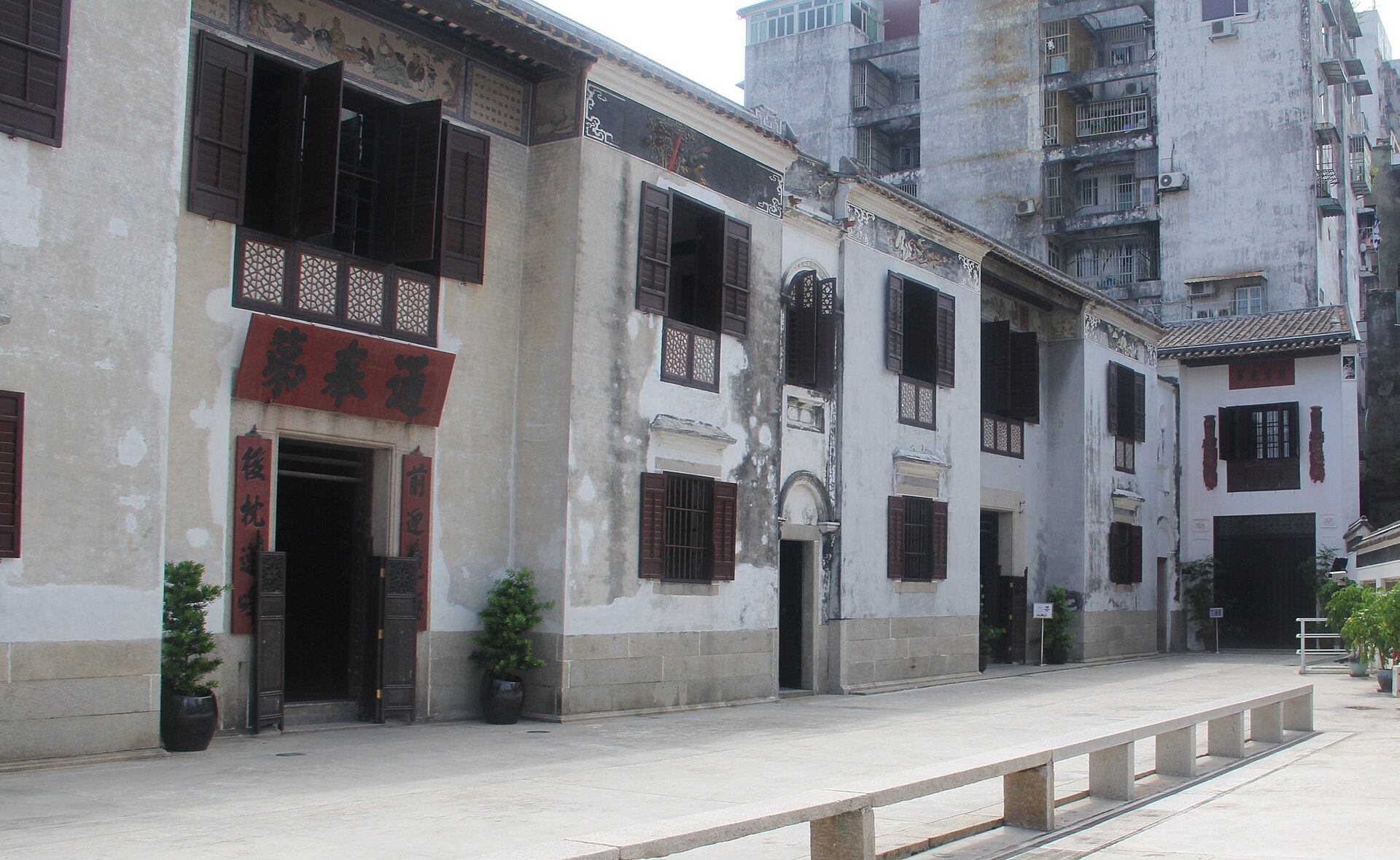
A Lingnan courtyard compound near A-Ma — quiet, shaded, and the natural stop after the temple.
Diego Delso · CC BY-SA 3.0 · Wikimedia Commons
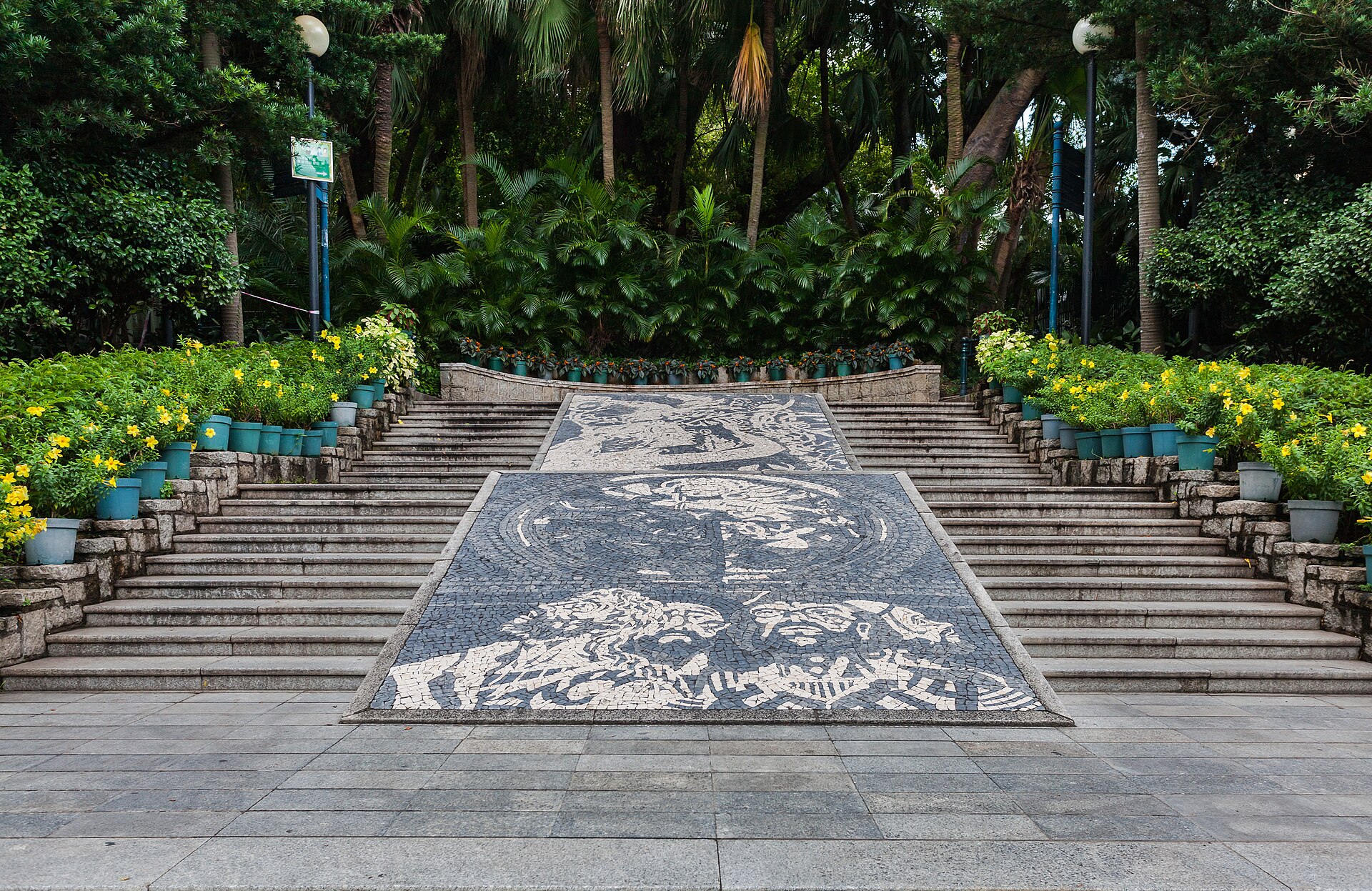
An old-tree park west of St. Paul's — morning chess and exercise; the place to slow the heritage segment.
lienyuan lee · CC BY 3.0 · Wikimedia Commons
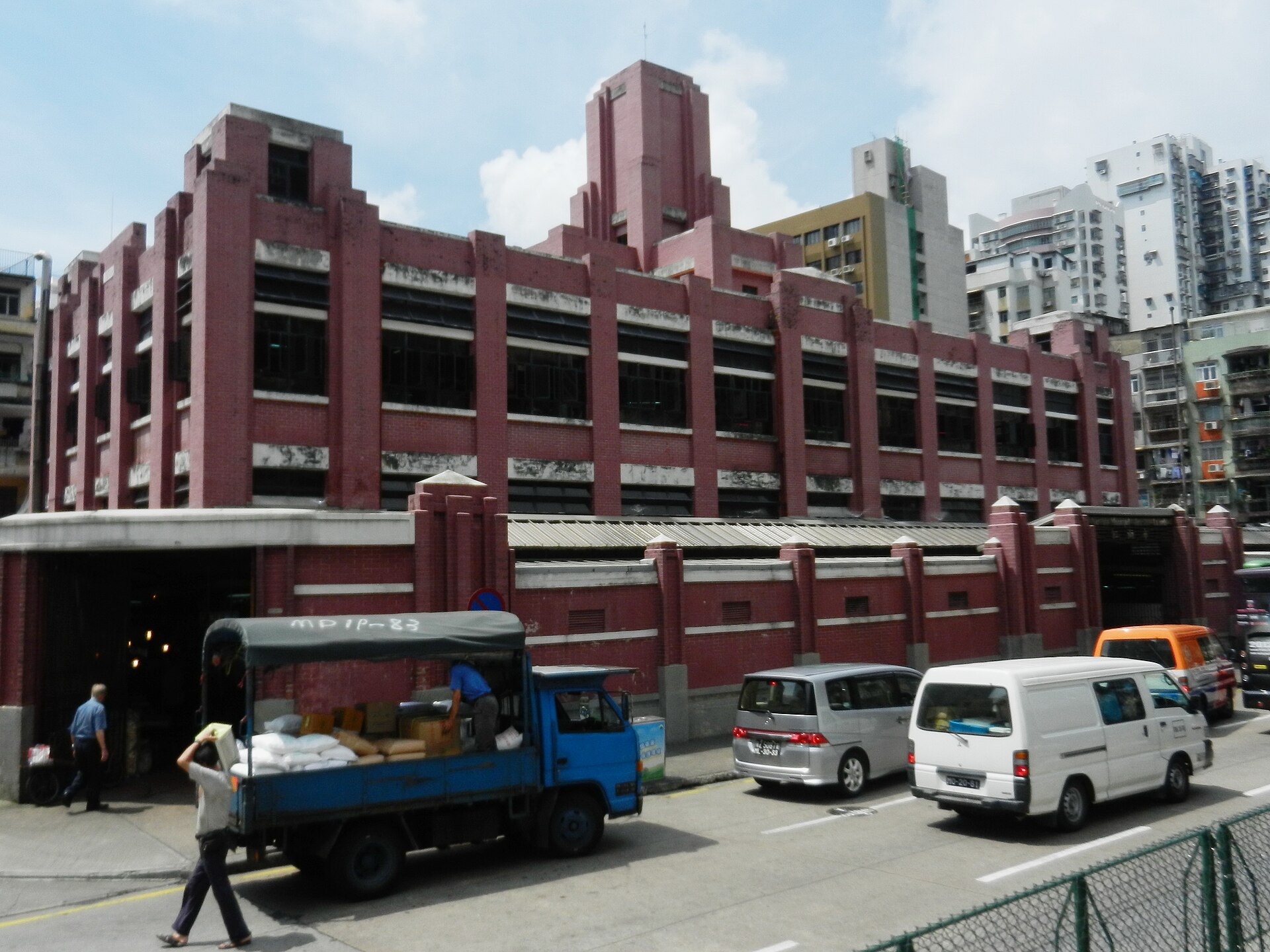
An art-deco red-brick market on local shopping tempo — architecture and street life, not a souvenir stop.
No machine-readable author provided. Mo707 assumed (based on copyright claims). · CC BY-SA 3.0 · Wikimedia Commons
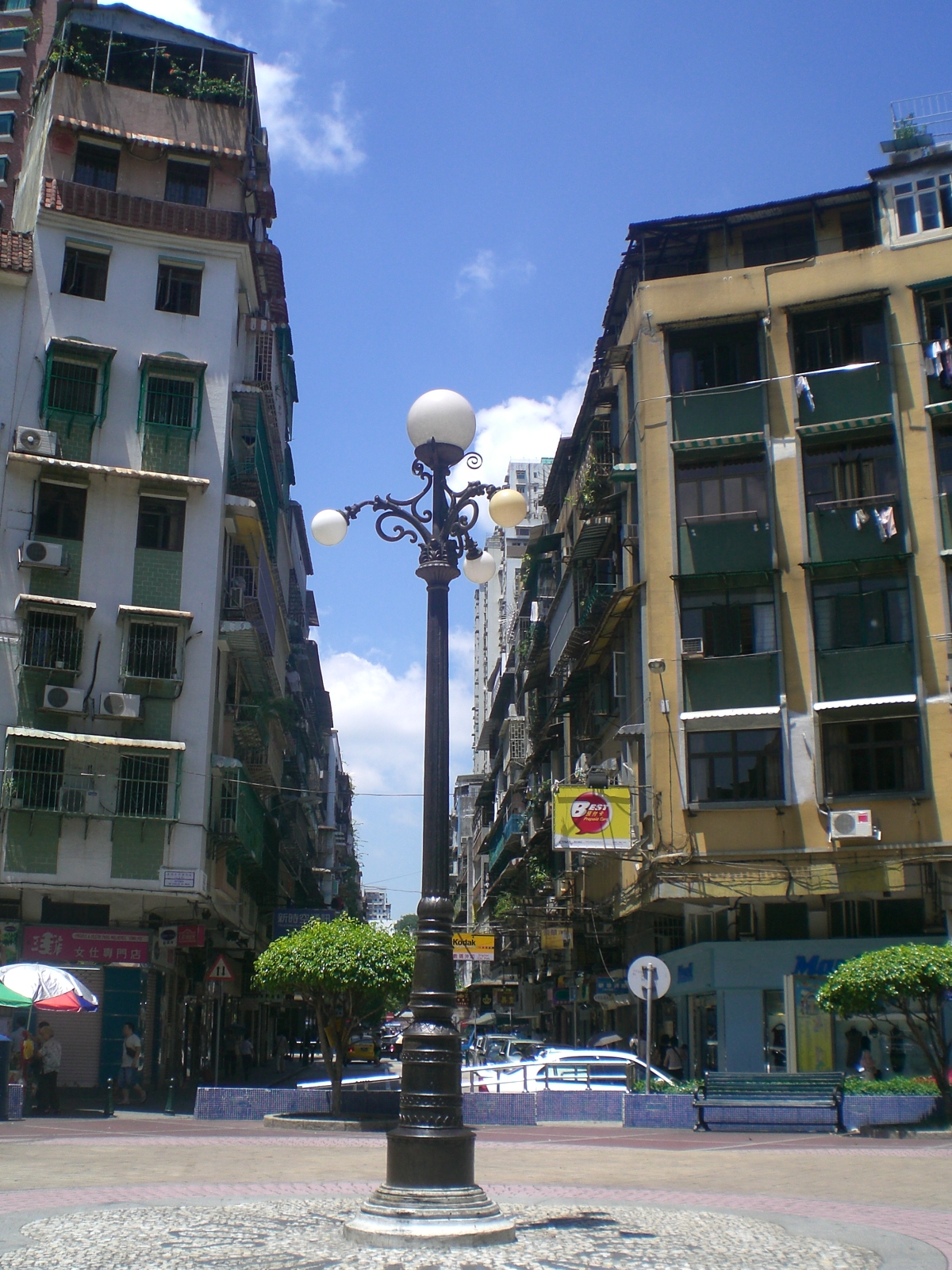
A Southeast Asian eating quarter around a roundabout — one Burmese or Thai lunch beats another souvenir queue.
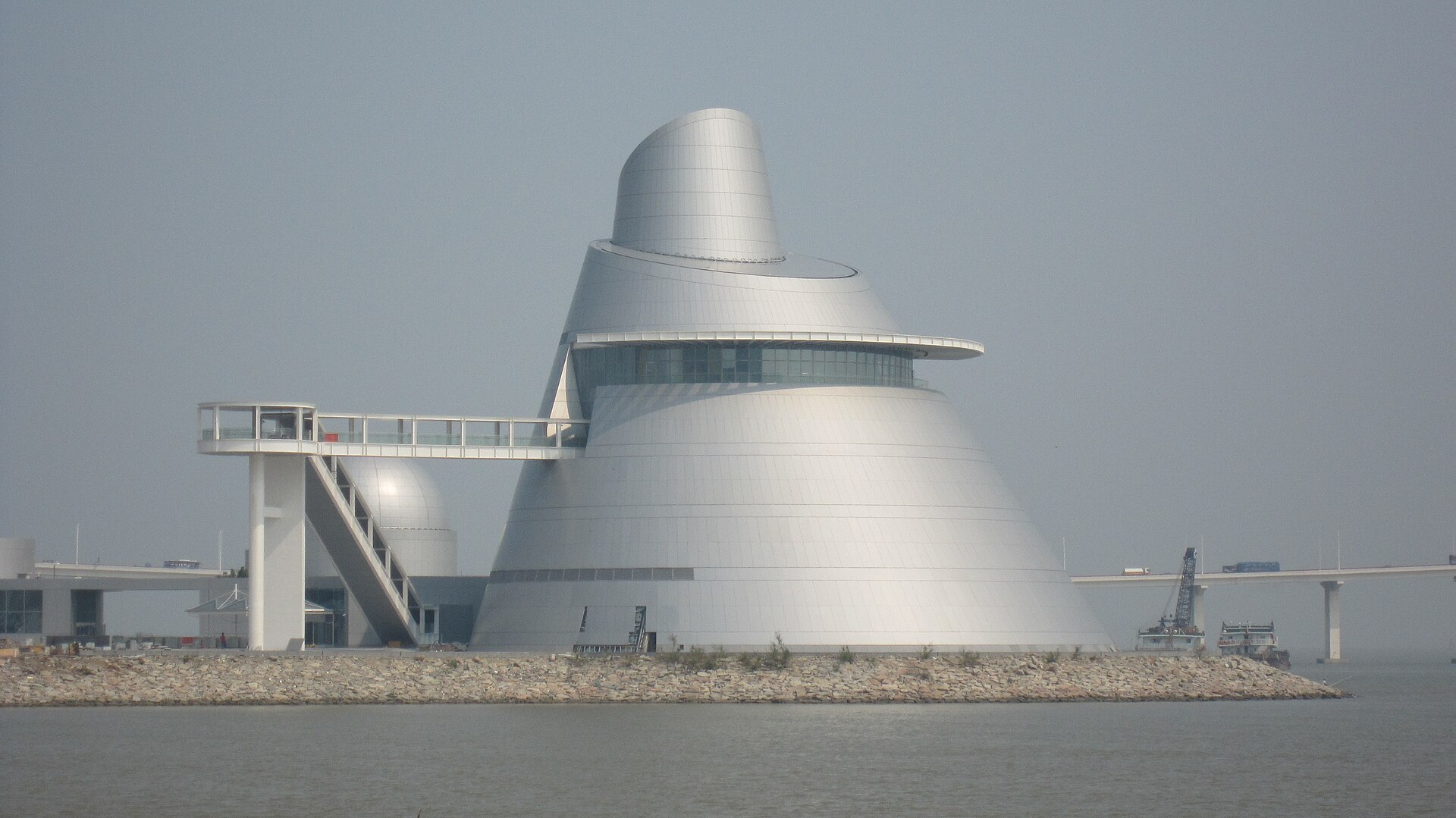
AG0ST1NH0 ( talk ) · CC BY-SA 3.0 · Wikimedia Commons
I. M. Pei's cone on the Nam Van waterfront — the reliable rain-or-kids fallback, on the same waterfront as Macau Tower.
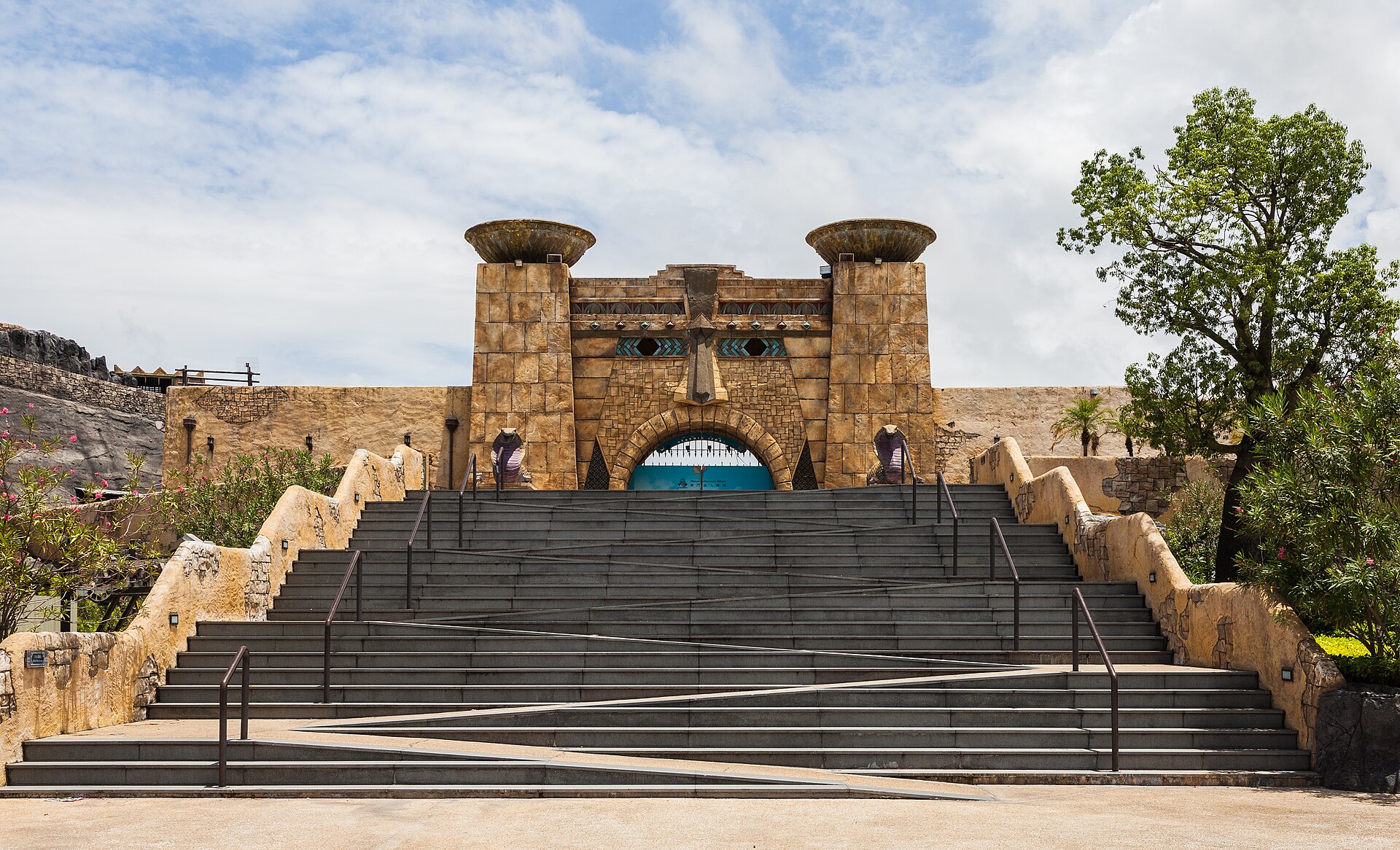
Diego Delso · CC BY-SA 3.0 · Wikimedia Commons
Themed architecture beside the Outer Harbour — a filler while waiting for a ferry or check-in, not a half-day trip.
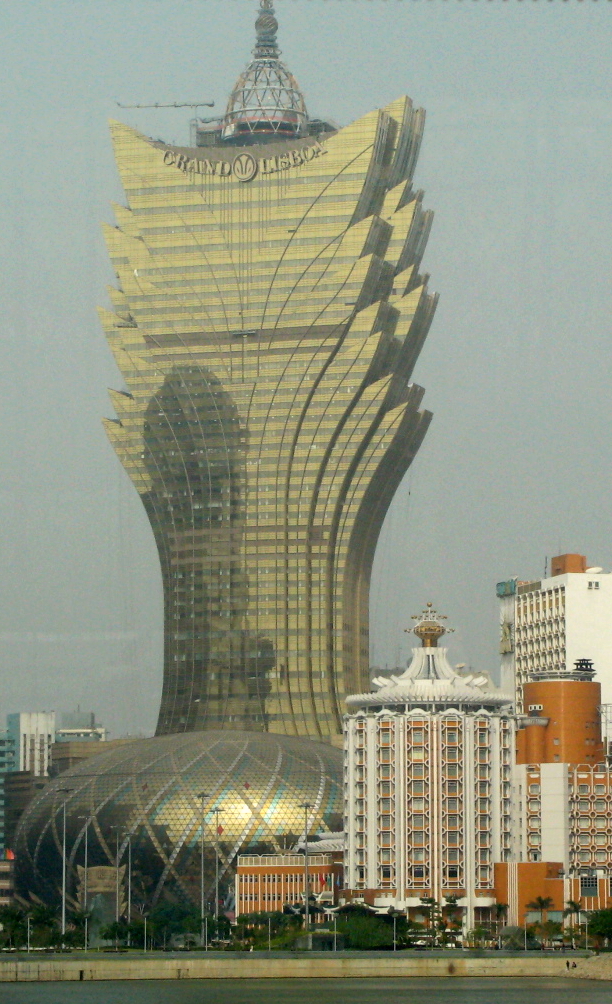
WiNG · CC BY-SA 3.0 · Wikimedia Commons
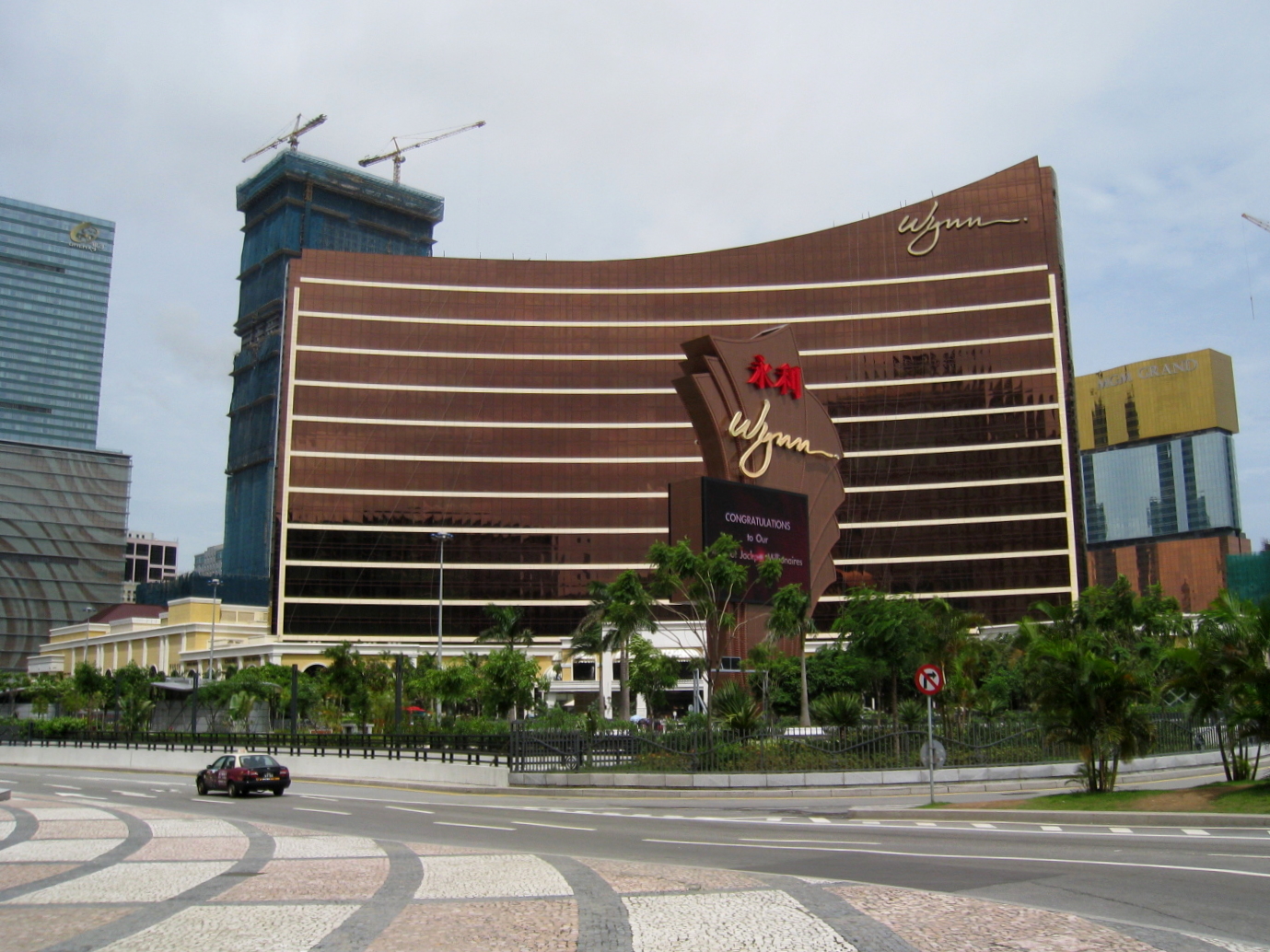
The hardest building on the peninsula to mistake for anything else. Use it as a landmark and a bearing; the gaming floor is not a sight, and there is no reason to walk in just to look.
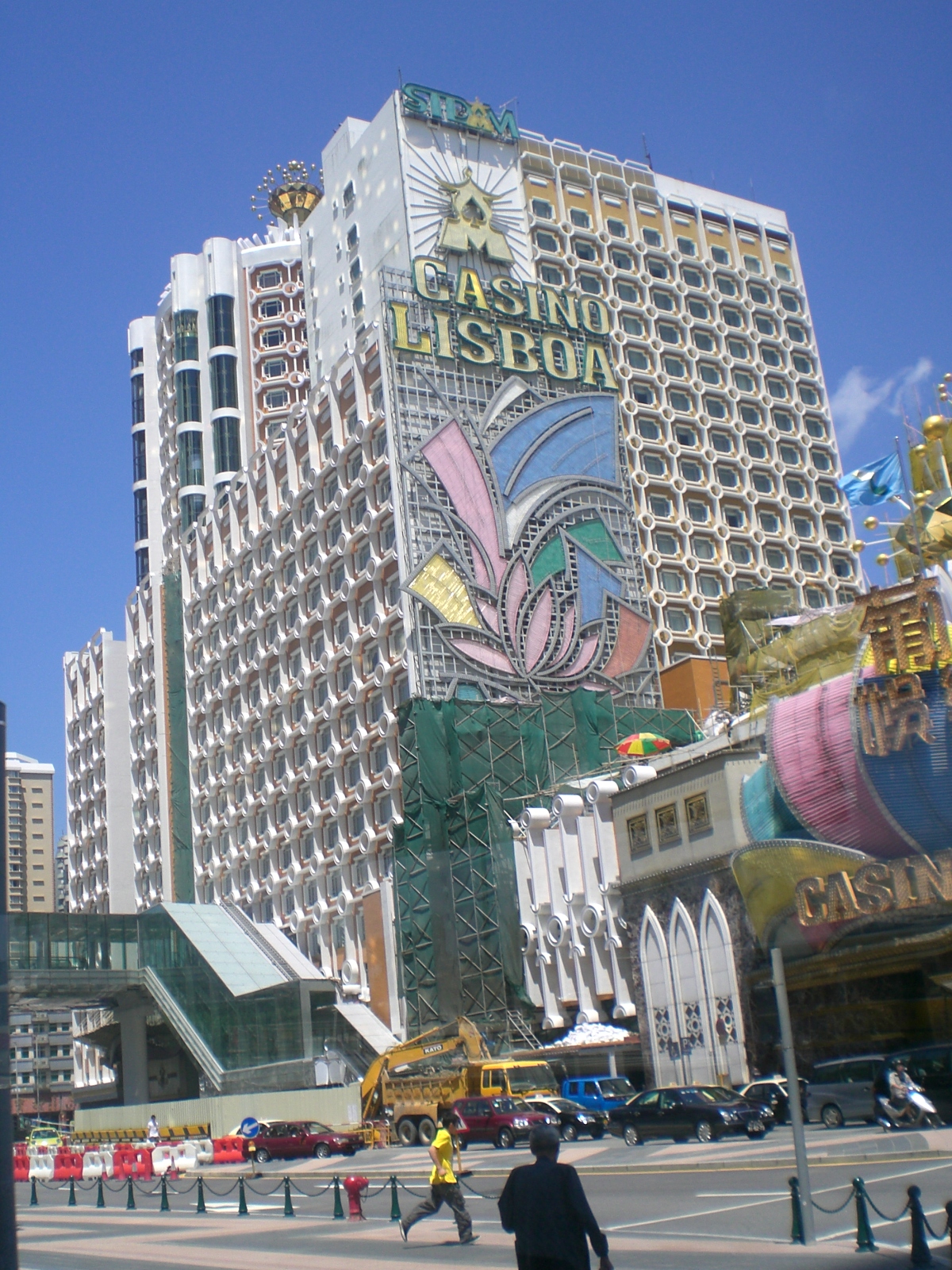
No machine-readable author provided. Mo707 assumed (based on copyright claims). · CC BY-SA 3.0 · Wikimedia Commons
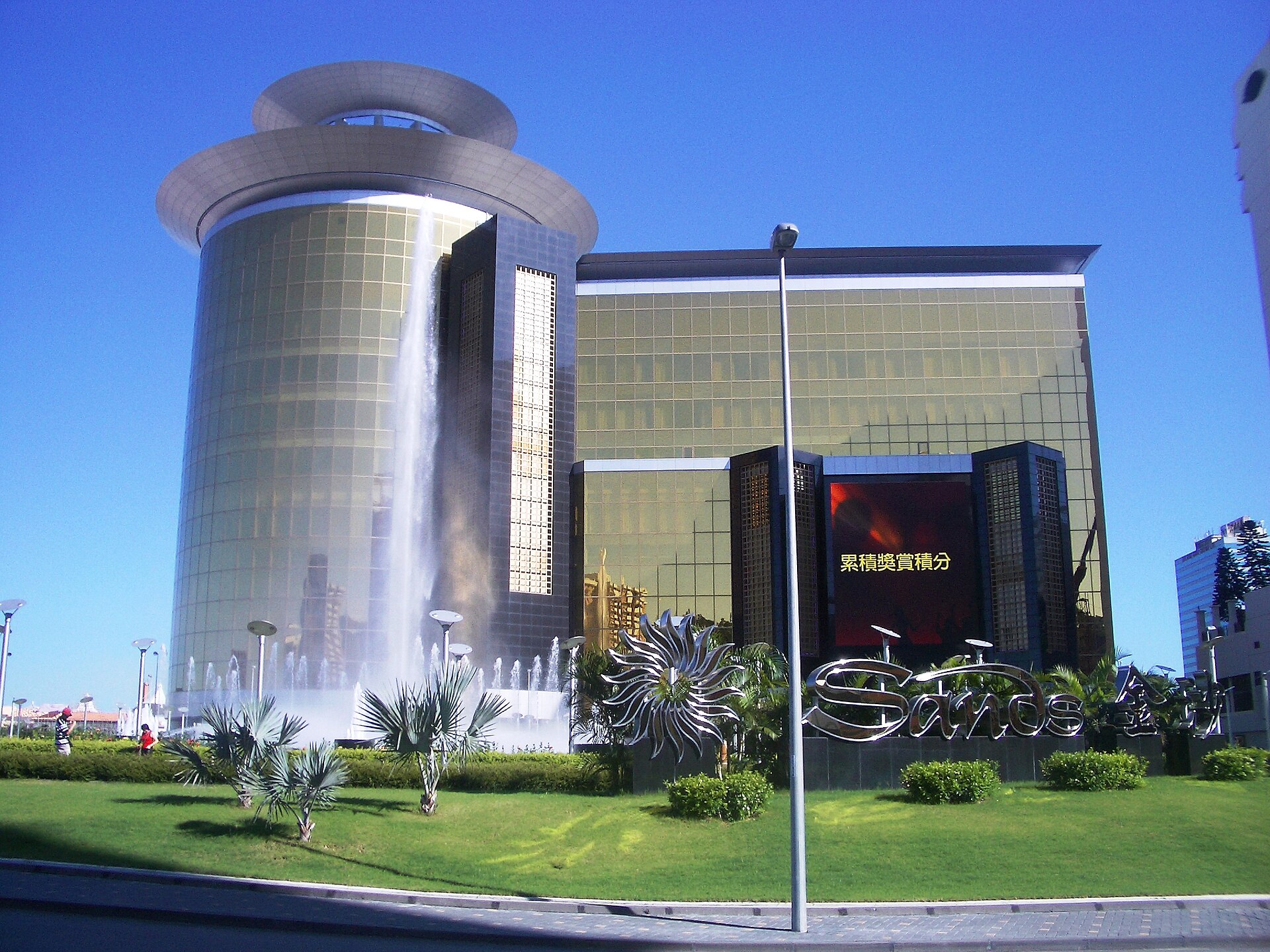
The round 1970s wing is a specimen of Macau before the licence expansion. The architecture and the faintly old-Hong-Kong basement arcade are the point; the gaming floor is just something you pass.
WiNG · CC BY 3.0 · Wikimedia Commons
The first American-style resort on the Nam Van waterfront. The timed fountain on the performance lake is the only part worth scheduling around; the rest is retail and dining.
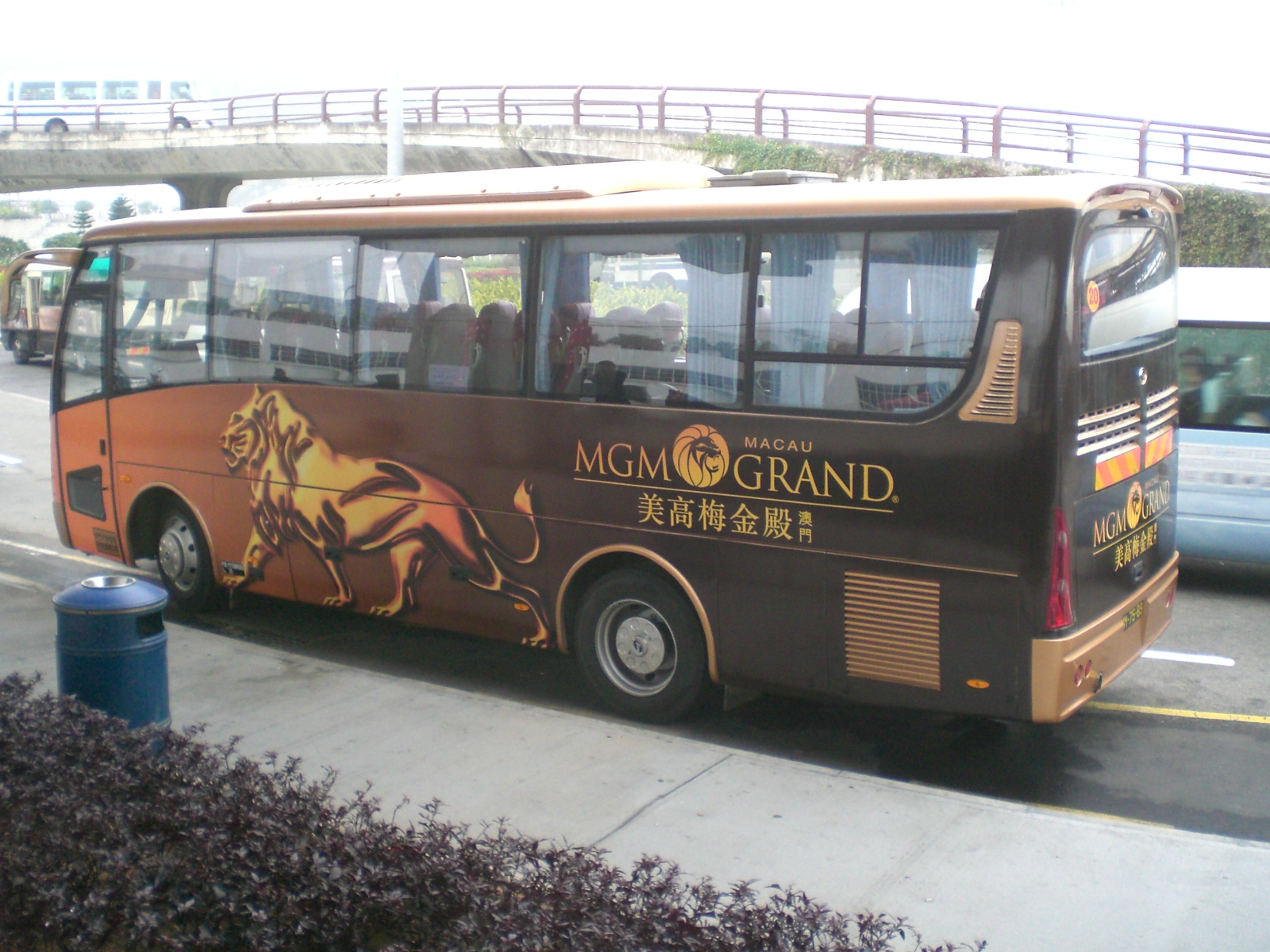
MacVT · CC BY-SA 3.0 · Wikimedia Commons
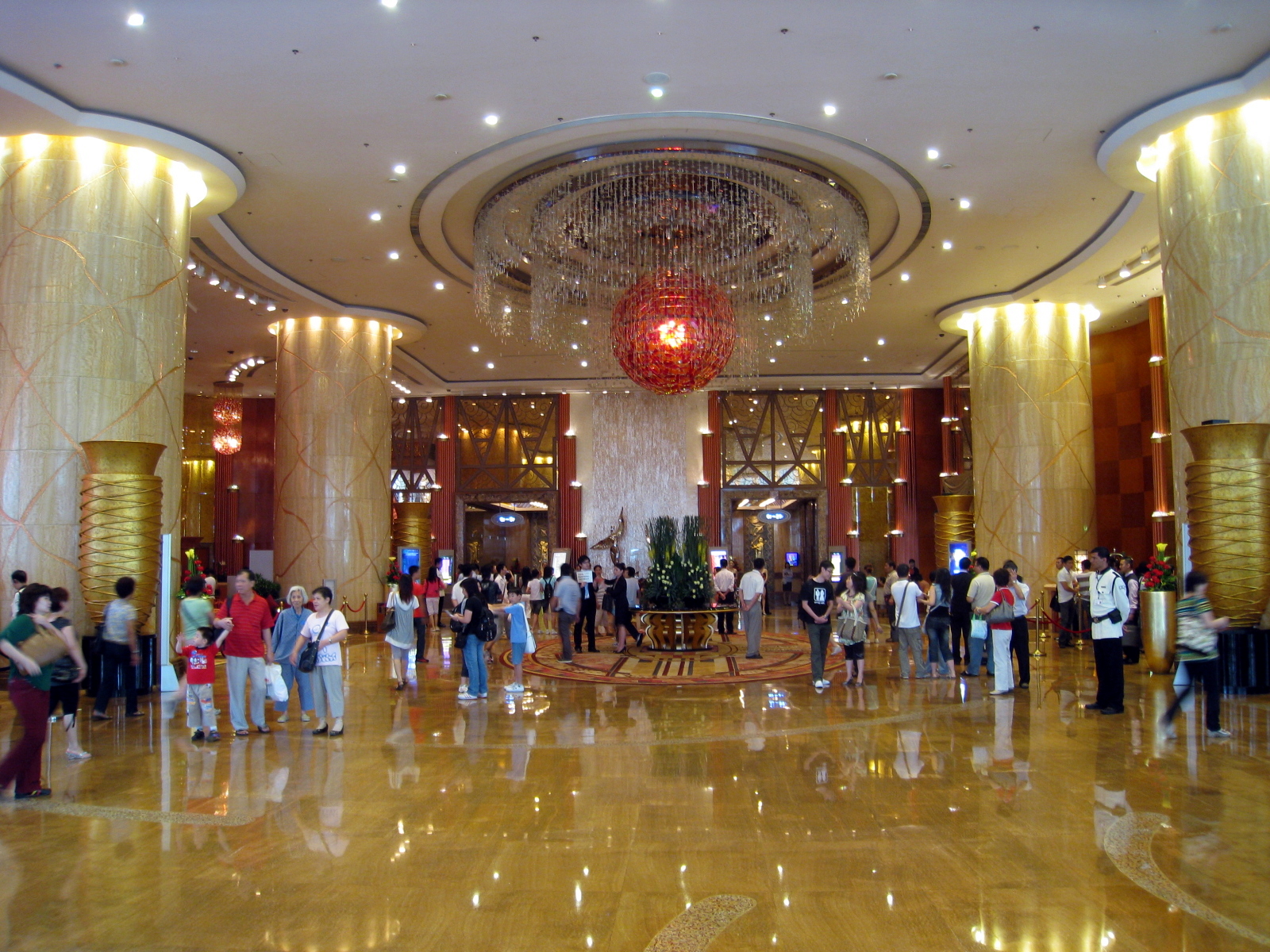
The glass-roofed Grande Praça is one of the few genuinely cool indoor public rooms on the peninsula that costs nothing. A reliable midday refuge in summer.
No machine-readable author provided. Whhalbert assumed (based on copyright claims). · CC BY 2.5 · Wikimedia Commons
The 2004 opening that rewrote Macau's gaming landscape. Its significance is historical rather than scenic; if you only want a look, pass it on the Outer Harbour walk.
WiNG · CC BY 3.0 · Wikimedia Commons
A mid-sized resort on the Avenida da Amizade stretch, nothing like Cotai's scale. Most people meet it on the way between MGM and Wynn.
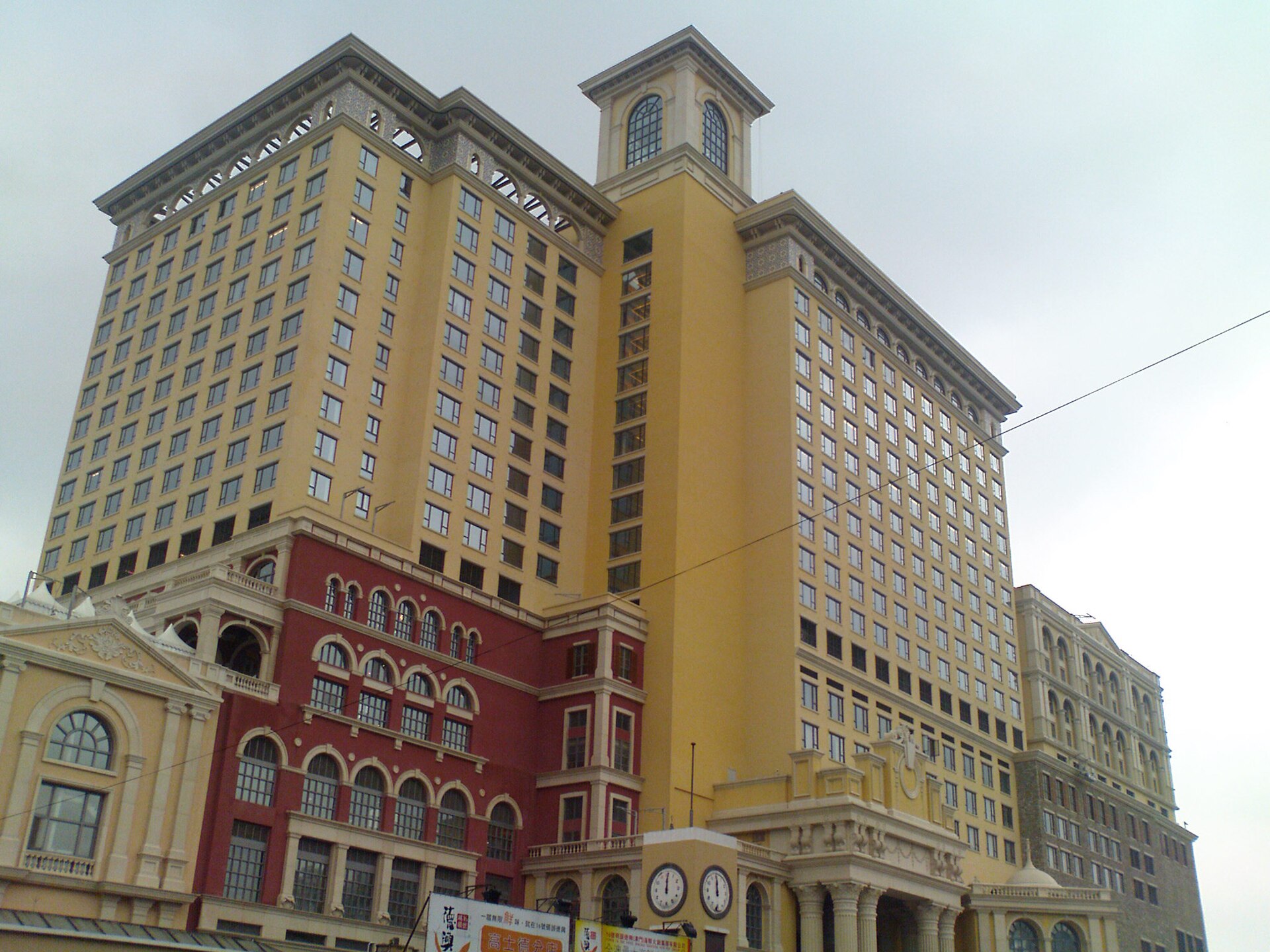
pan浩 · CC BY-SA 4.0 · Wikimedia Commons
A resort on a former Inner Harbour wharf — a rare large new volume on the old town's west side. The lanes around it are more interesting than the building.
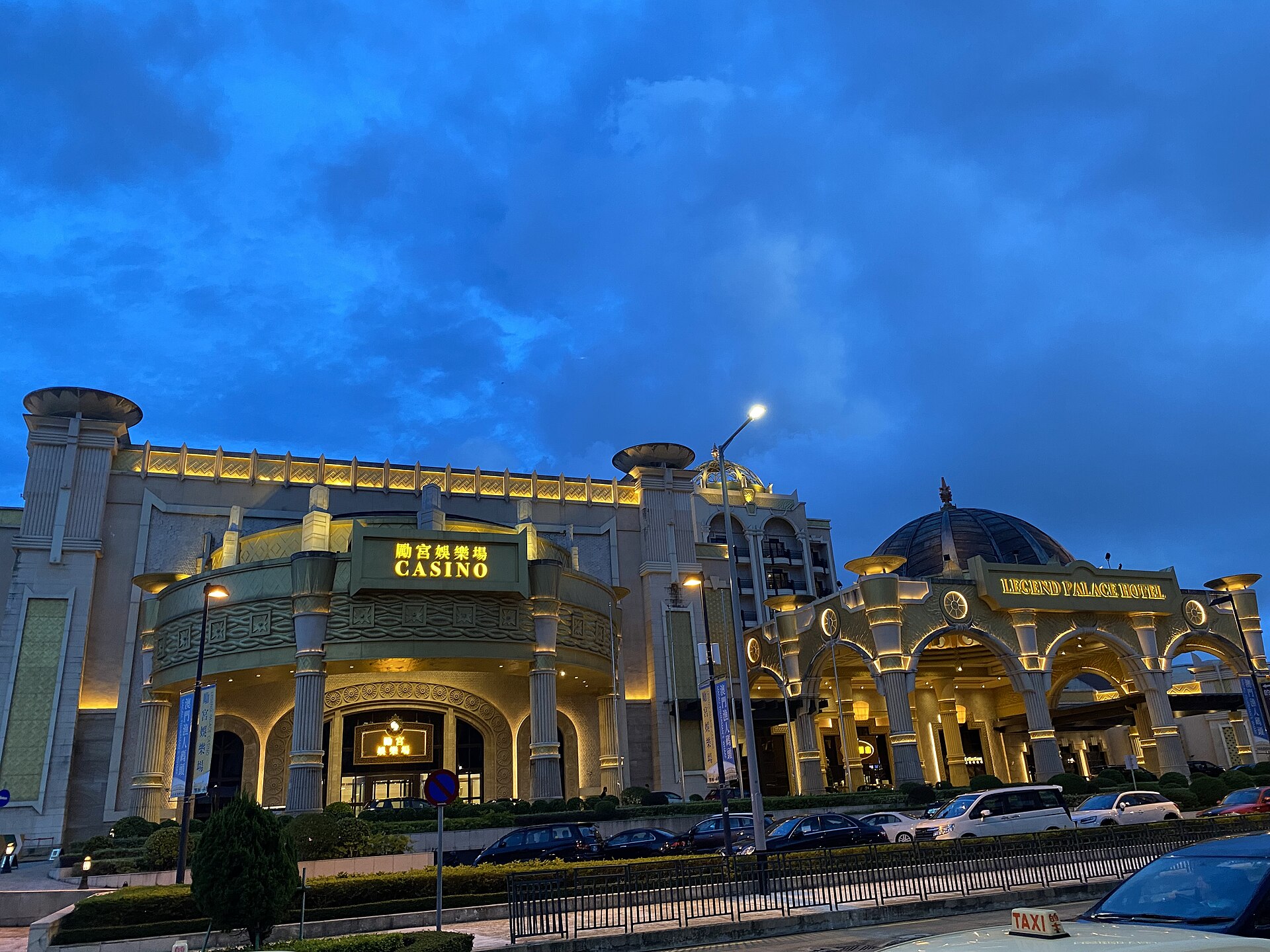
LN9267 · CC BY-SA 4.0 · Wikimedia Commons
A hotel-and-casino beside Fisherman's Wharf. Its real use is somewhere to sit while waiting for a ferry or a check-in, not a stop on an itinerary.
The original uploader was Sdee at Chinese Wikipedia . · CC BY-SA 2.5 · Wikimedia Commons
A small cobbled square ringed by a theatre, a library and two churches. The densest patch on the heritage list — four things in fifteen minutes.
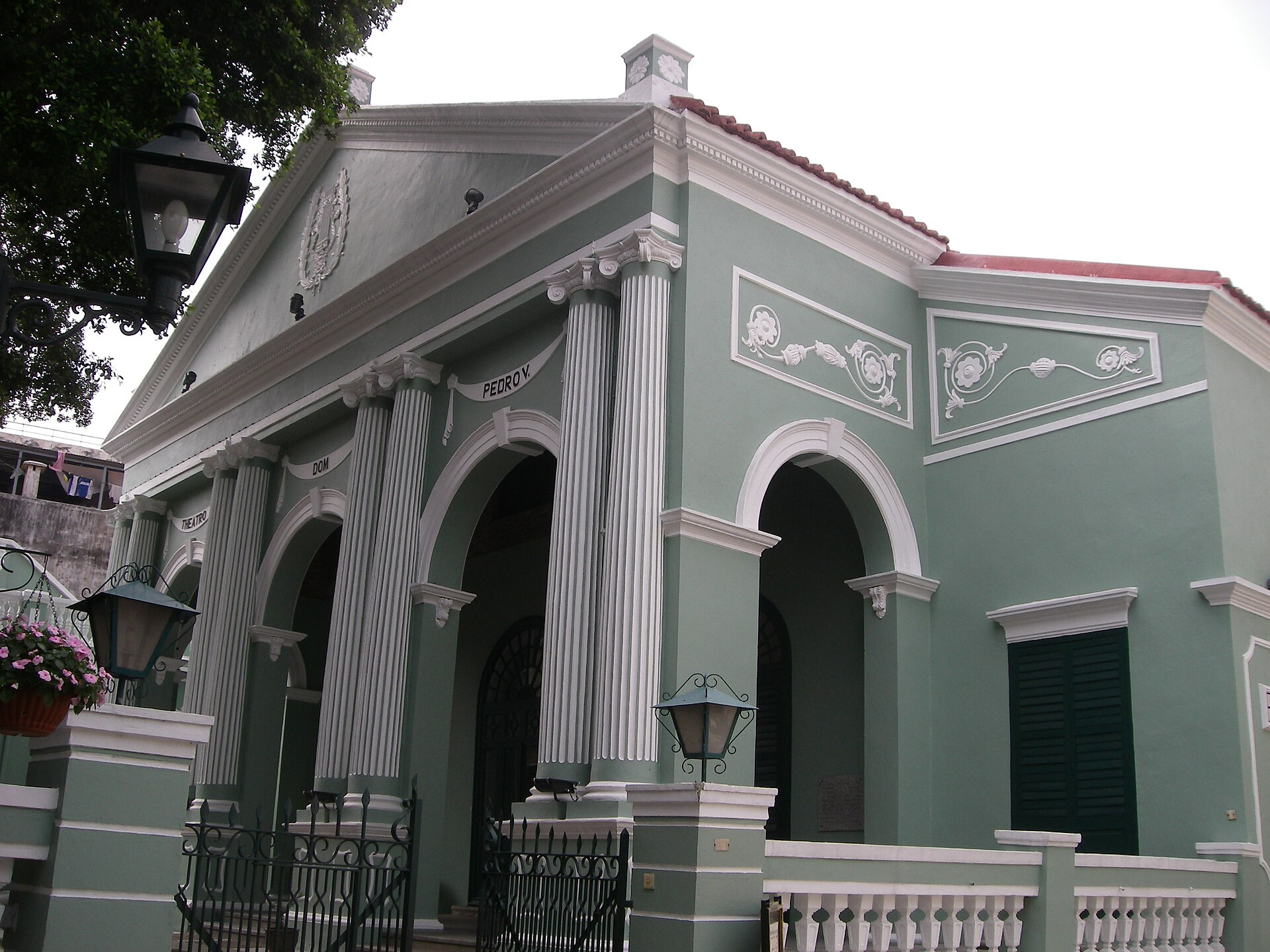
Wai Hong at en.wikipedia · Public domain · Wikimedia Commons
A green neoclassical house from the 1860s, the first Western-style theatre in China. Often only the foyer is open; the auditorium usually shows itself on performance days.
Kismoah HGOA2 · CC BY-SA 4.0 · Wikimedia Commons
An empty baroque interior under a dome, with an order of magnitude fewer people than St. Paul's. For a quiet look at a church, better than St. Dominic's.
Abasaa · Public domain · Wikimedia Commons
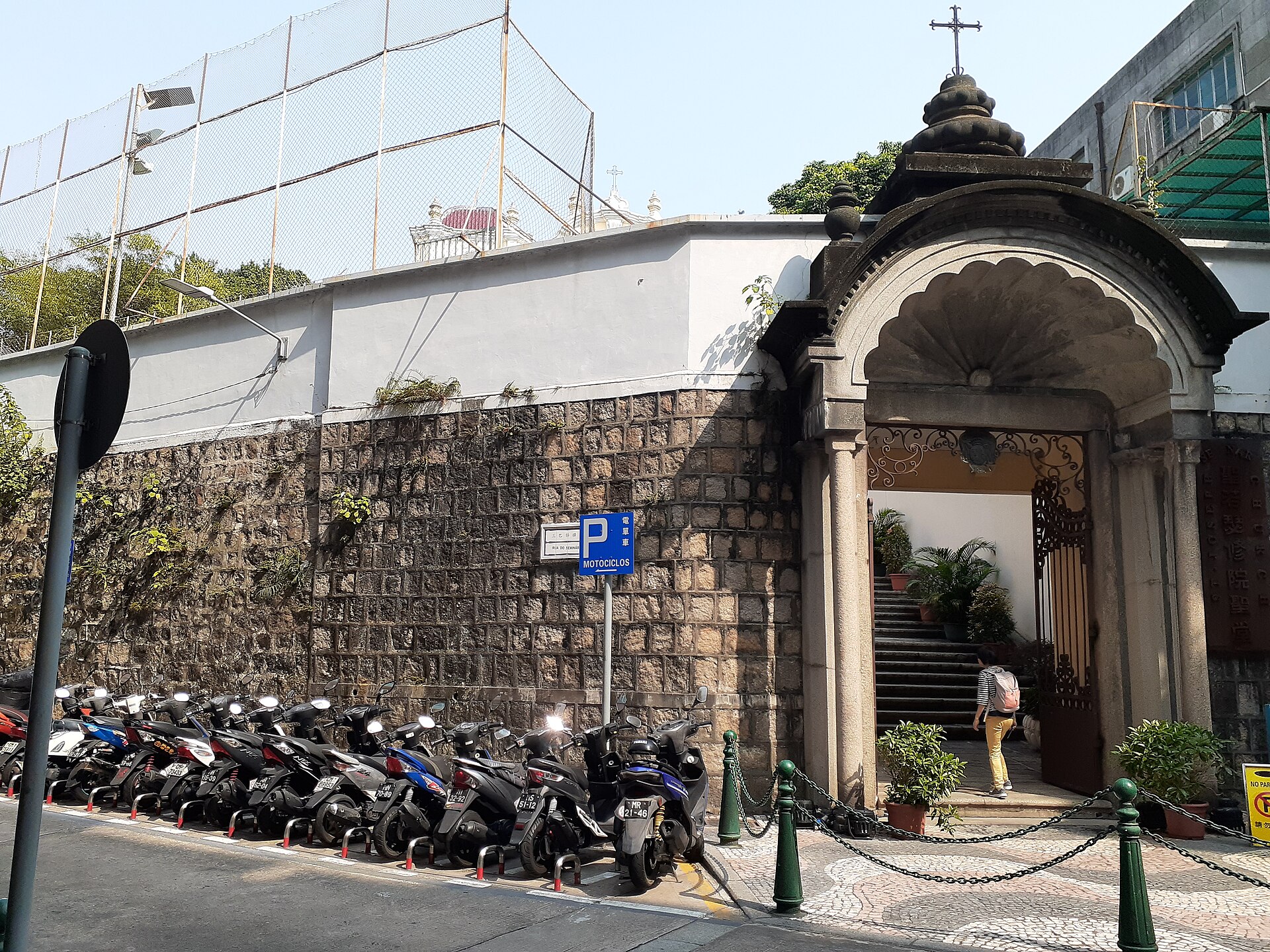
The church where Portuguese families once prayed for fair winds; its stone stair and palms are the signature. Downhill it joins Lilau and A-Ma into one coherent southern leg.
Unknown · CC BY-SA 3.0 · Wikimedia Commons
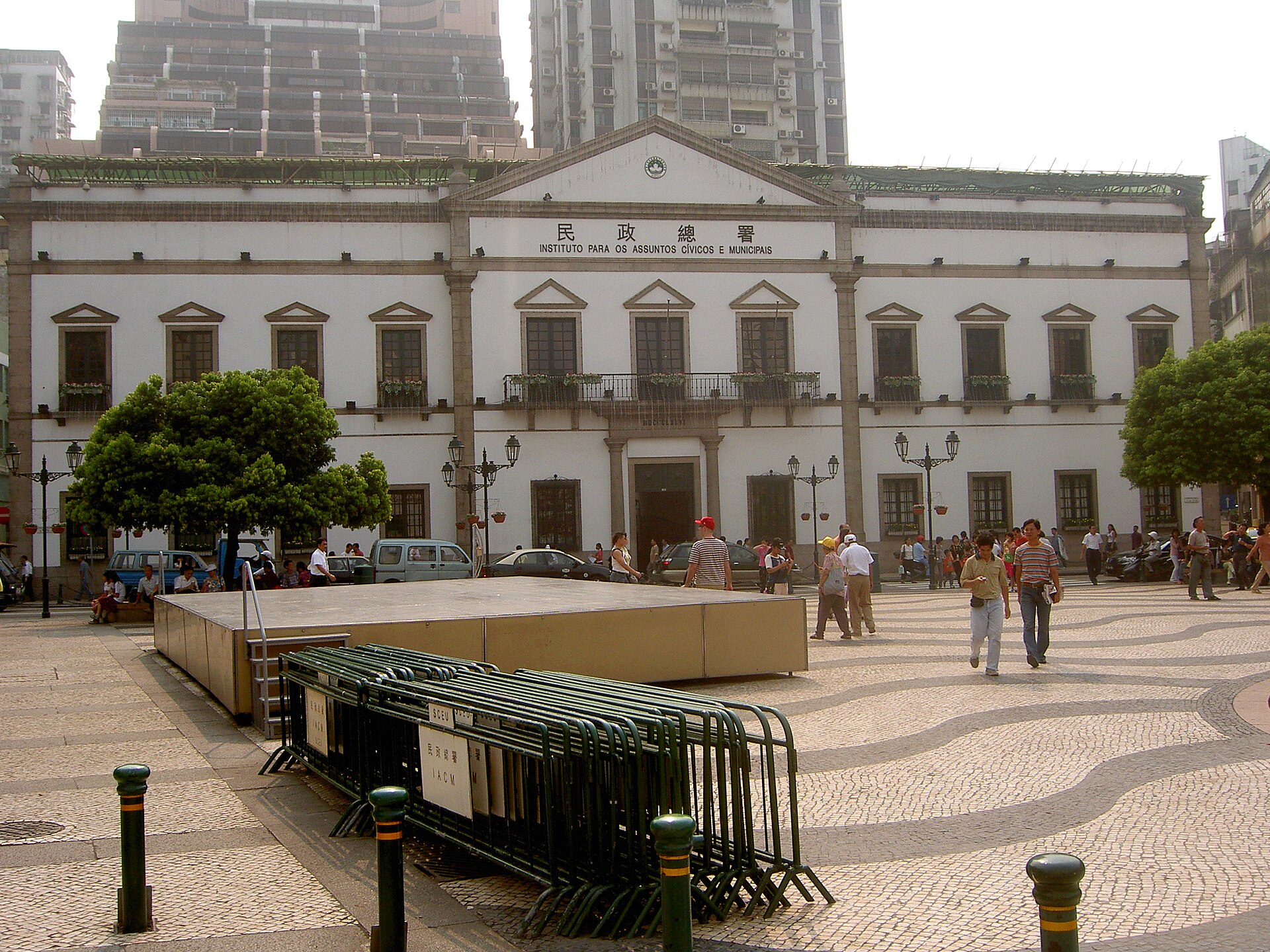
The white front facing Senado Square. What you should actually enter is the Portuguese garden courtyard at the back and the upstairs library; most people photograph the door and leave.
T1NH0 ( talk ) · CC BY-SA 3.0 · Wikimedia Commons
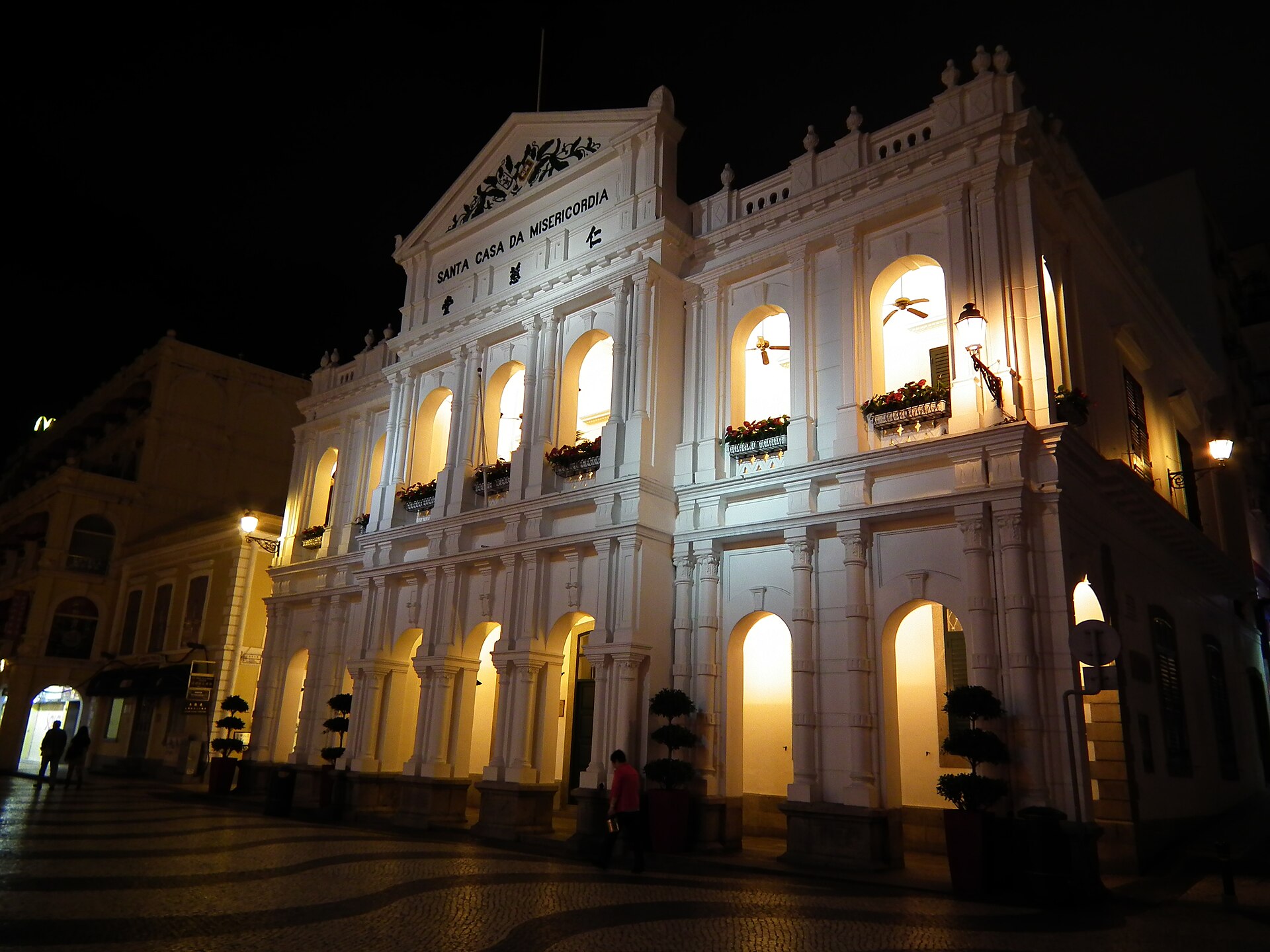
The white arcade on Senado Square, home to a charity founded in 1569. The little museum upstairs is genuinely little — fifteen minutes covers it.
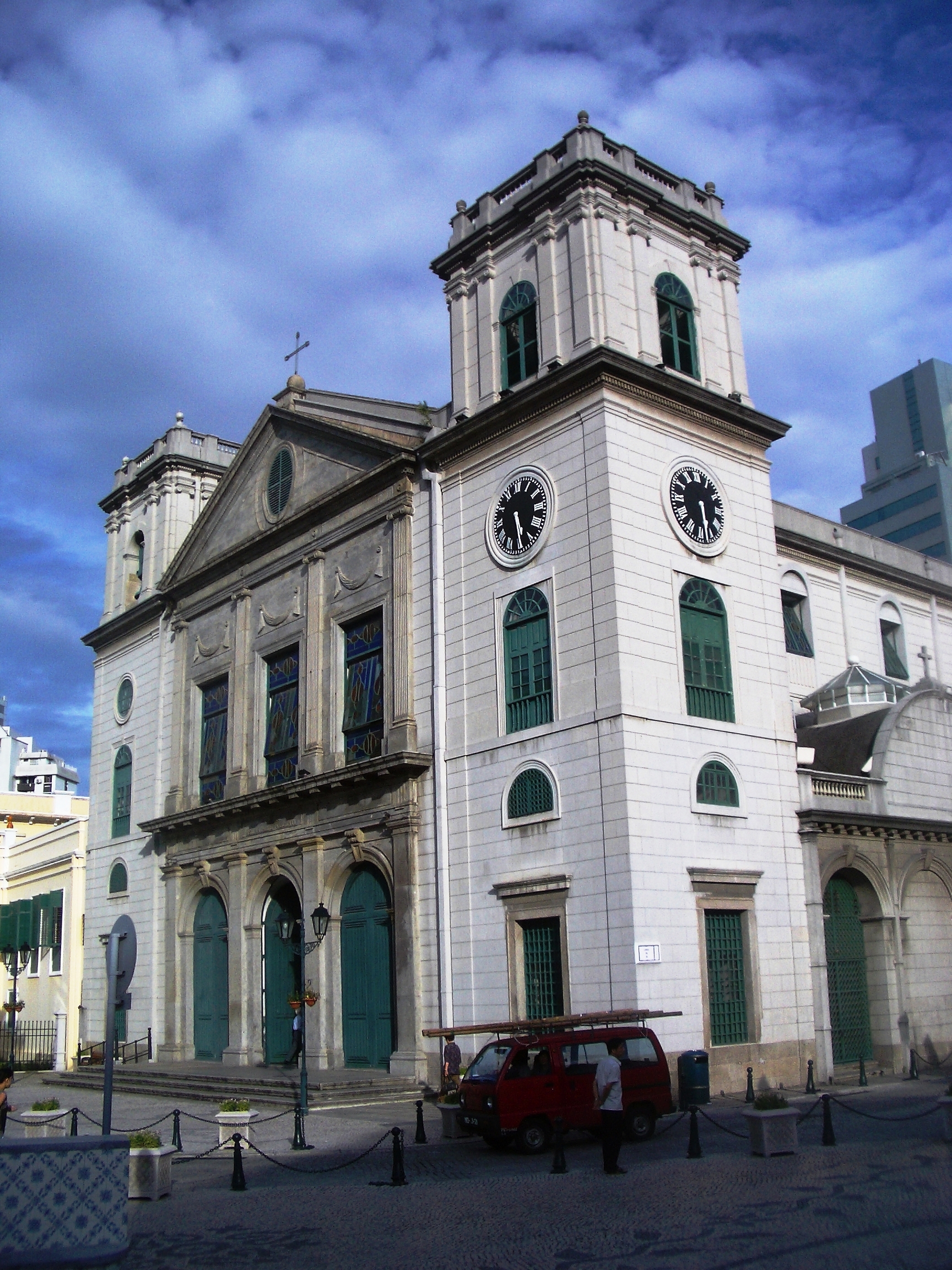
No machine-readable author provided. Whhalbert assumed (based on copyright claims). · CC BY-SA 3.0 · Wikimedia Commons
The cathedral on Largo da Sé, far less trafficked than St. Dominic's. The square has trees and benches — rare places to sit in the old town.
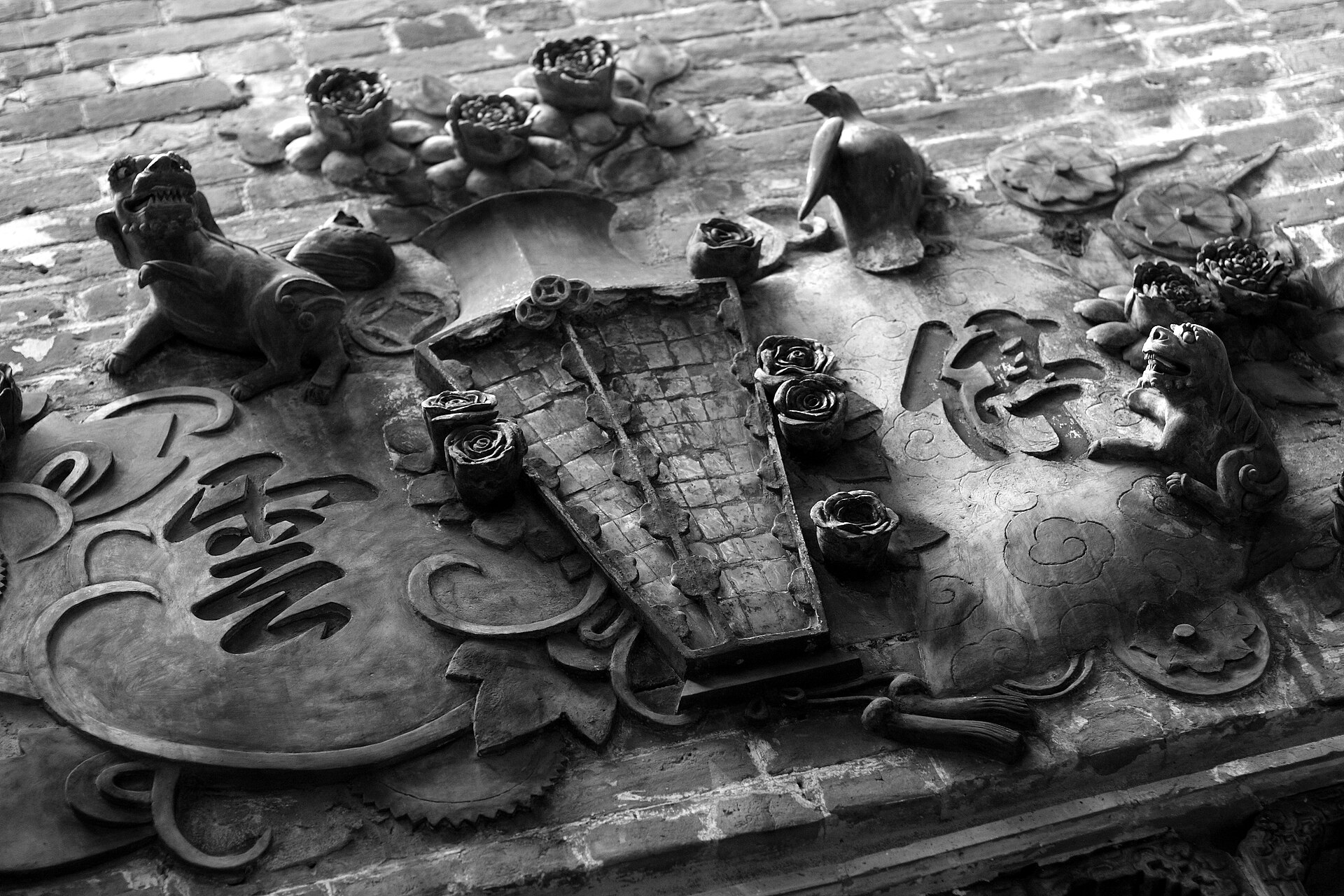
yeowatzup · CC BY 2.0 · Wikimedia Commons
A late-Qing merchant house wedged between eateries, with its plaster relief, shell windows and light wells intact. Same family of thing as the Mandarin's House but much smaller — one of the two is enough.
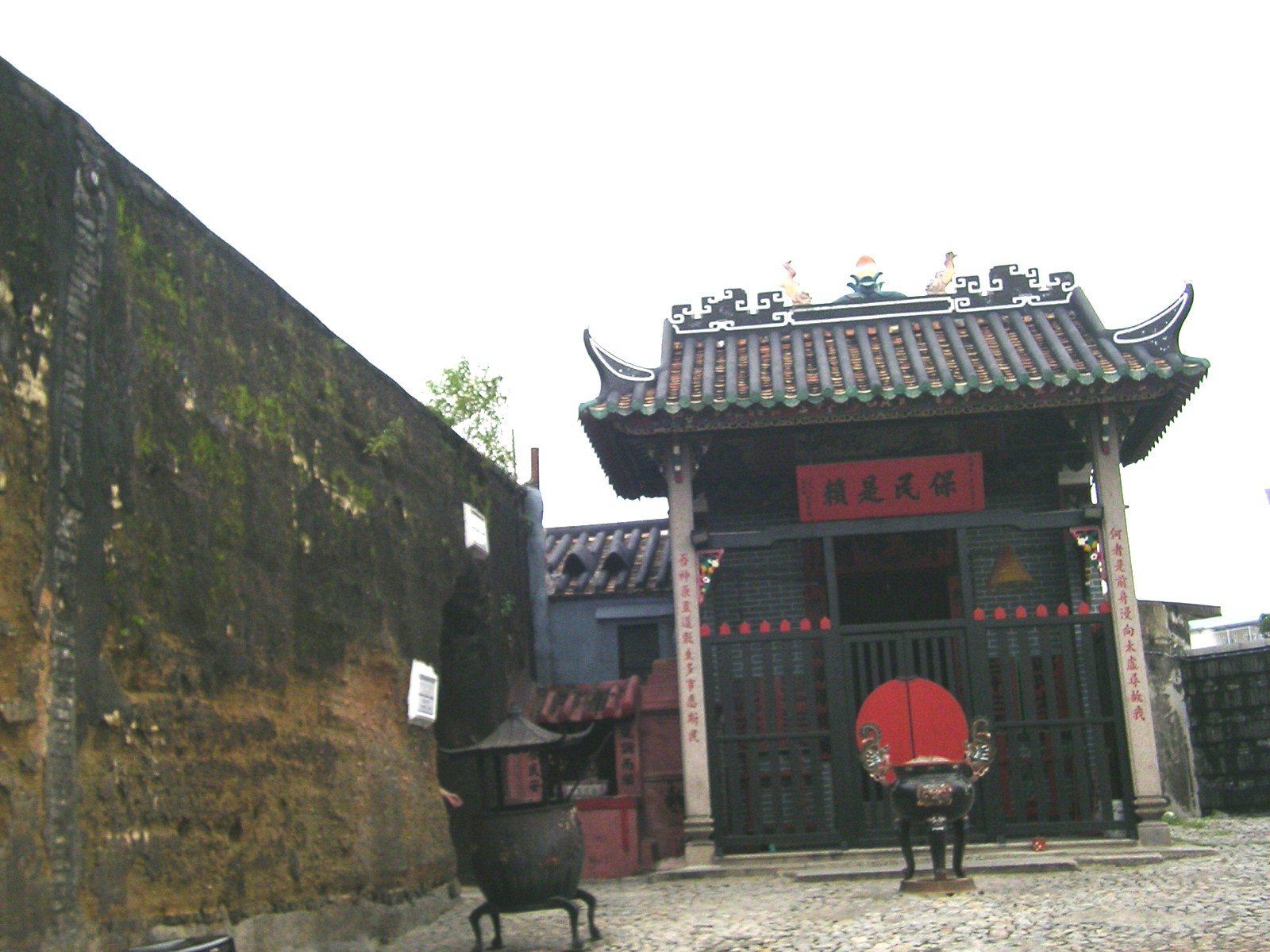
No machine-readable author provided. Macanese馬交人 assumed (based on copyright claims). · Public domain · Wikimedia Commons
A small 1888 temple pressed against the Ruins of St. Paul's, sharing the same plot as a Catholic relic. That juxtaposition is the argument Macau's heritage listing makes.
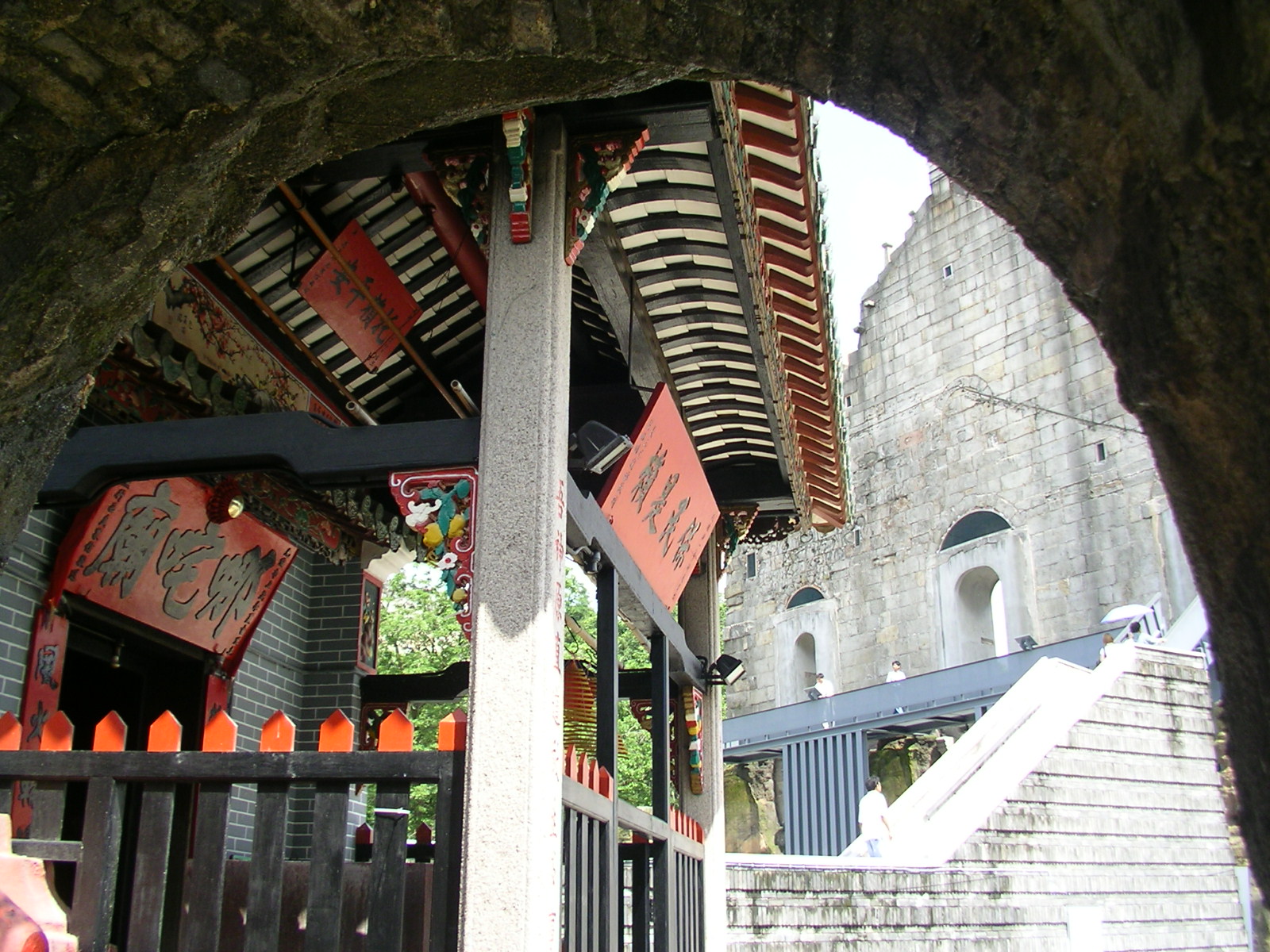
Unknown · Public domain · Wikimedia Commons
A stretch of rammed-earth wall, physical evidence of sixteenth-century Portuguese fortification. Without knowing what it is, it reads as a mud wall — read first, look second.
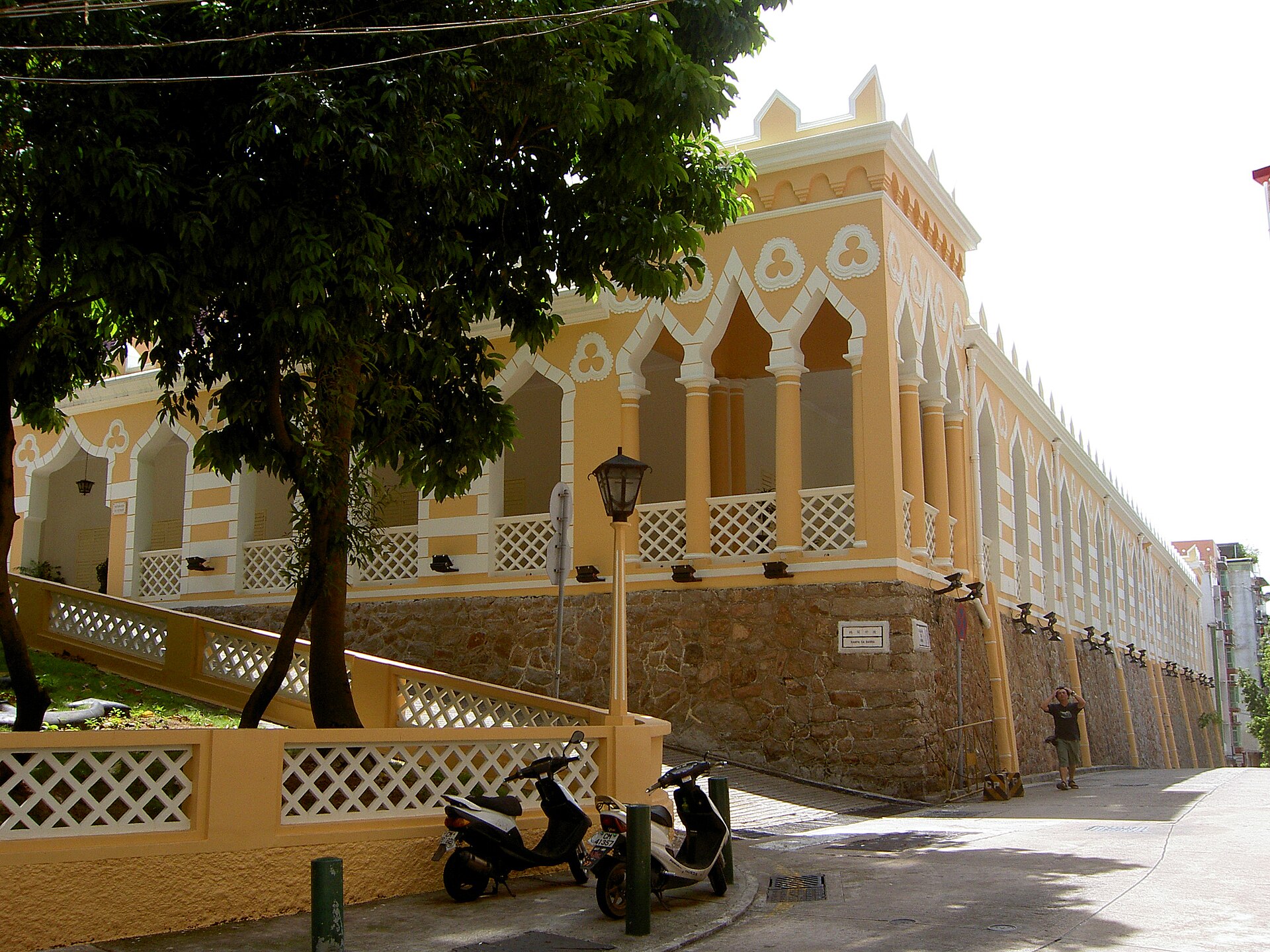
No machine-readable author provided. Netsonfong assumed (based on copyright claims). · CC BY-SA 3.0 · Wikimedia Commons
An 1874 yellow arcaded building put up for an Indian police contingent, now government offices. Only the veranda is open — and the veranda is the point.
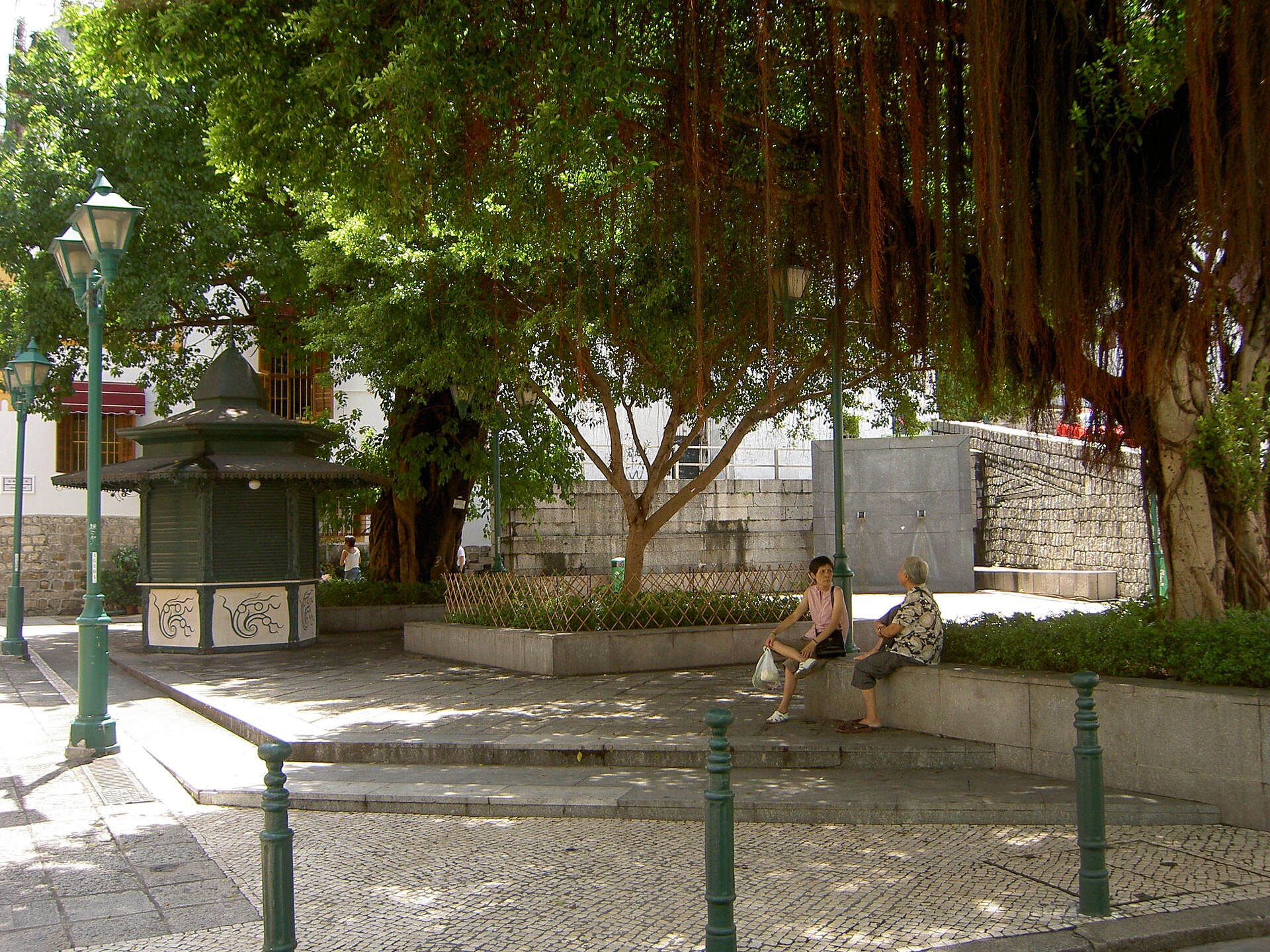
Netsonfong · CC BY-SA 3.0 · Wikimedia Commons
One of old Macau's main water sources and the earliest Portuguese residential quarter. A few benches under big banyans — the right place to break the southern walking line.
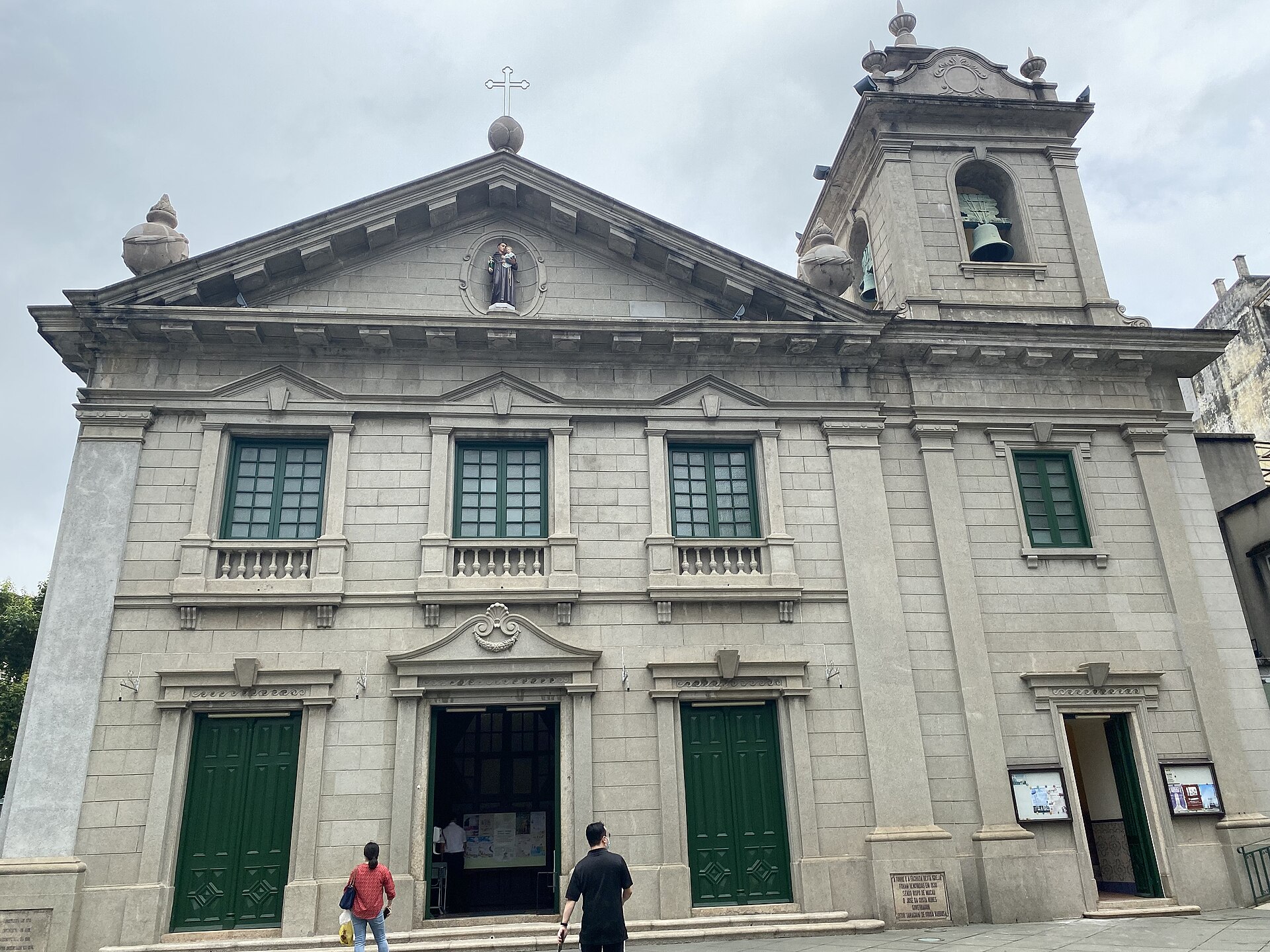
LN9267 · CC BY-SA 4.0 · Wikimedia Commons
Beside Praça Luís de Camões, one of Macau's three oldest churches and long the wedding church of the Portuguese community. Same block as Camões Garden and the Protestant Cemetery.
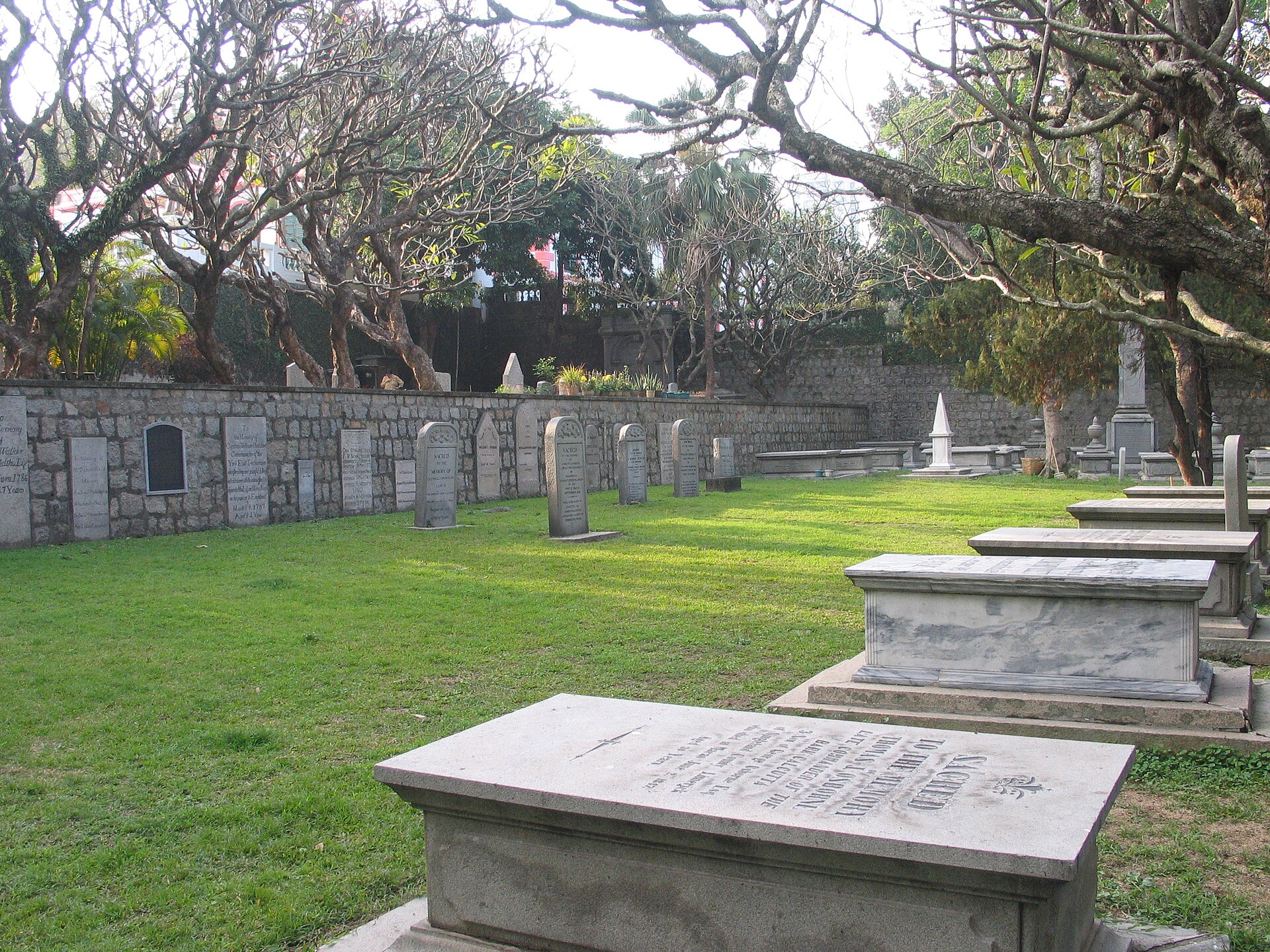
No machine-readable author provided. Glio~commonswiki assumed (based on copyright claims). · Public domain · Wikimedia Commons
Where nineteenth-century British and American traders, missionaries and sailors who died in Macau were buried — small and still. One of the few corners of the old town with no commercial noise at all.
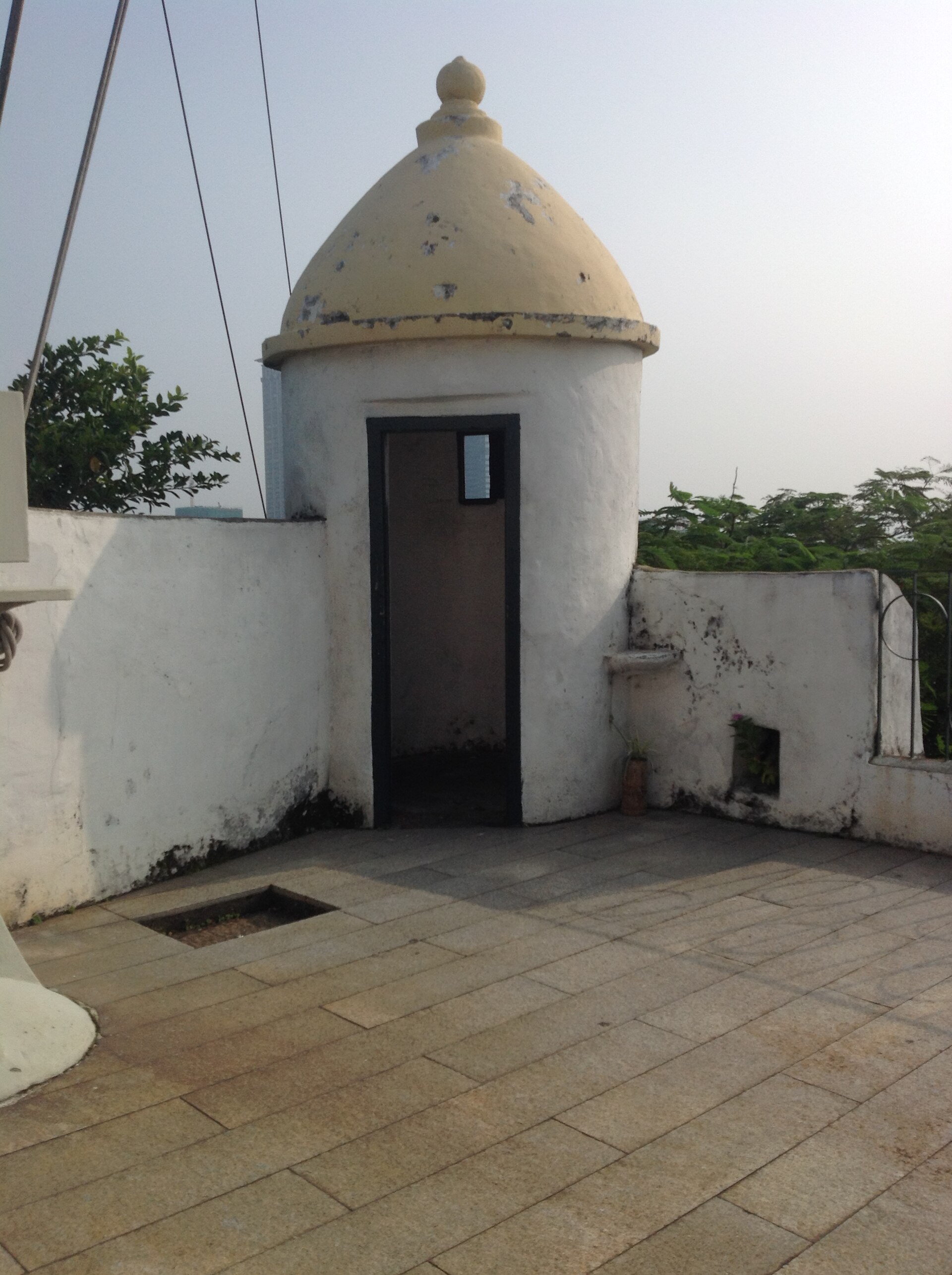
Jhmlms · CC BY-SA 3.0 · Wikimedia Commons
Fort, lighthouse and chapel on the summit count as one heritage ensemble. The chapel's hybrid Chinese-Western murals are the genuinely rare thing here — do not come up only for the lighthouse.
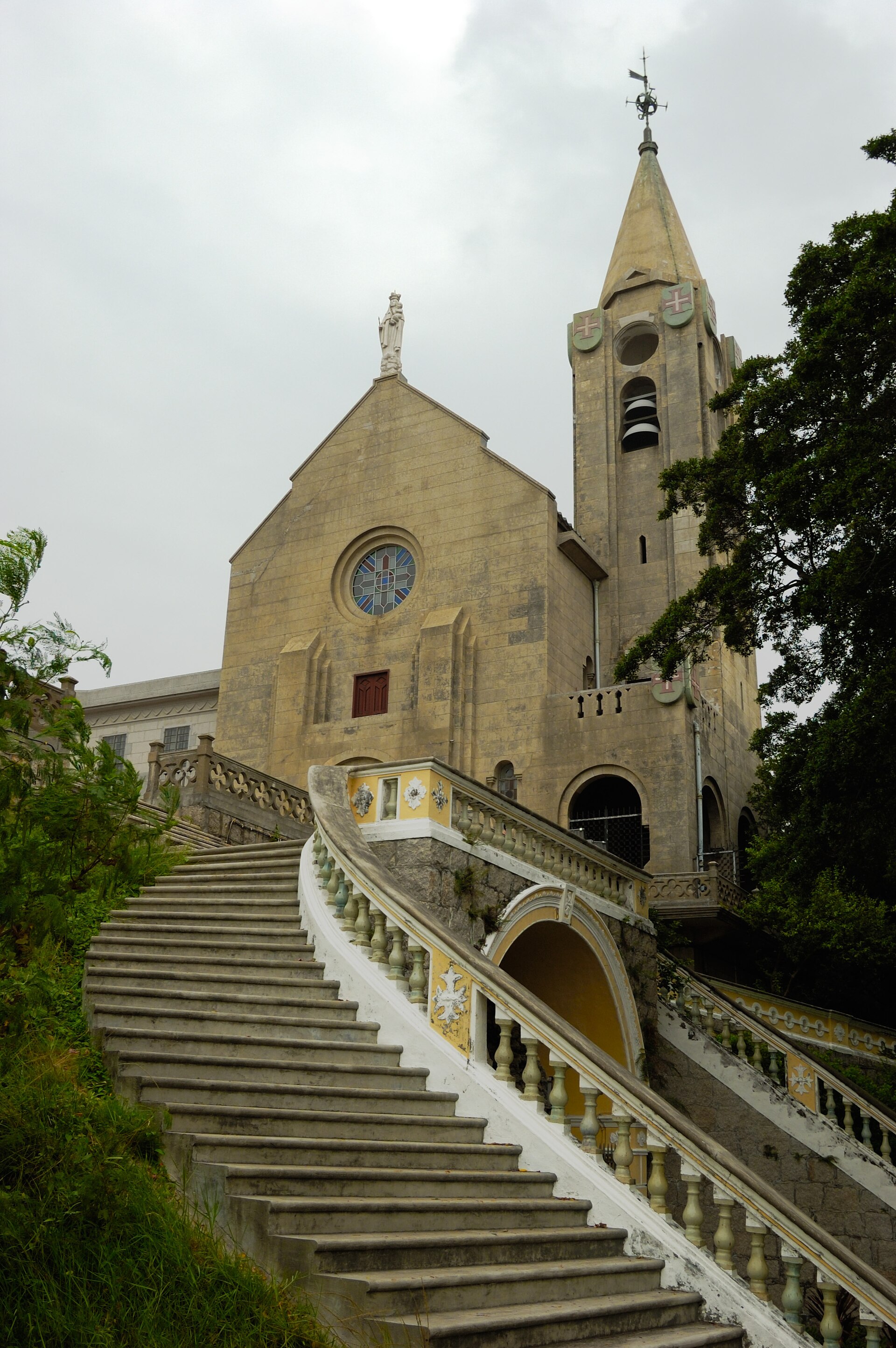
endeneon · CC BY-SA 4.0 · Wikimedia Commons
A small chapel on Penha Hill with the best angle on Nam Van, Sai Van and both bridges. The climb is steep, but it is quieter than Macau Tower and costs nothing.
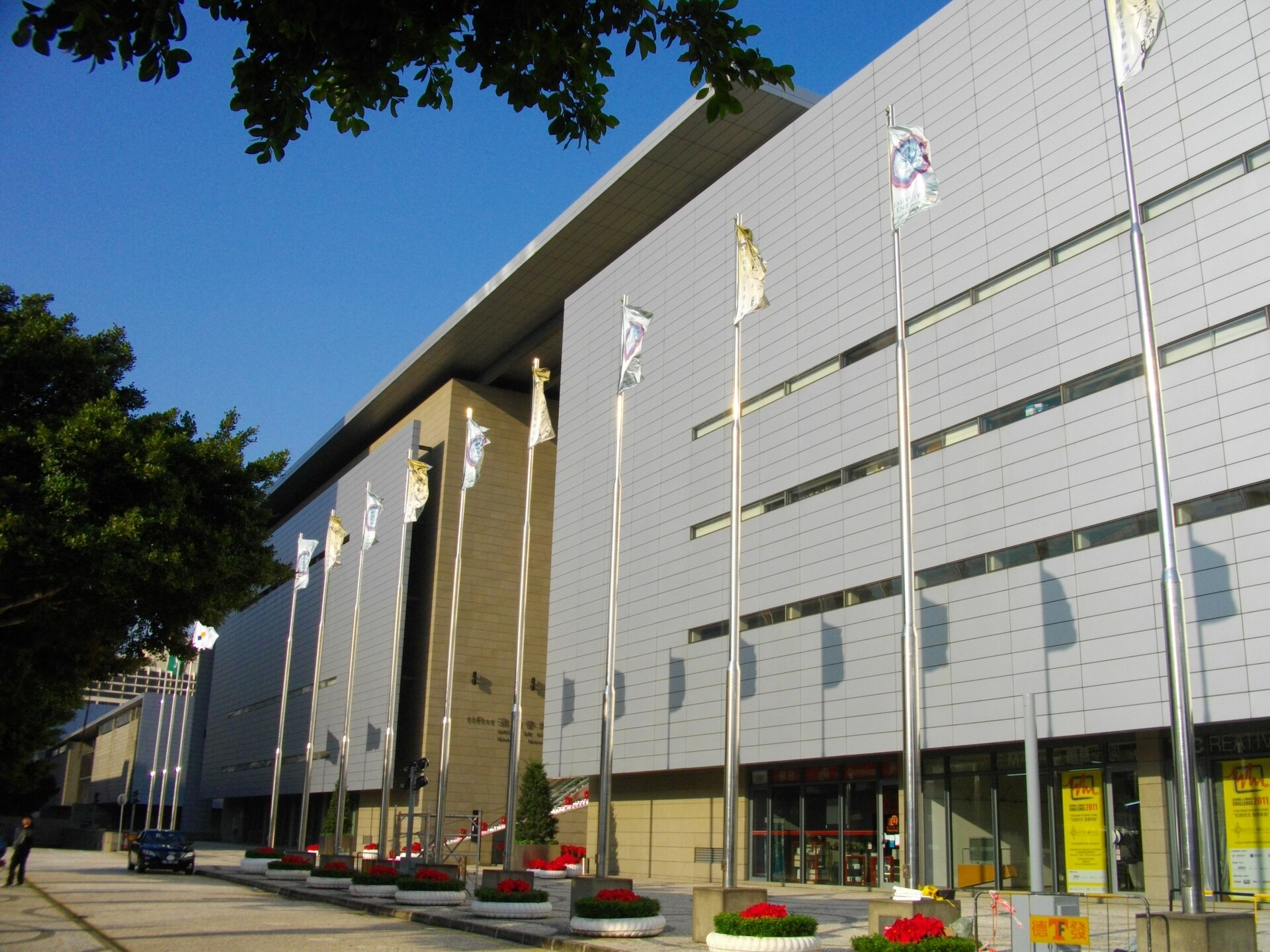
Abasaa · Public domain · Wikimedia Commons
A city-history museum built into the body of Monte Fort. See it before walking the heritage route and the streets start making sense.
Abasaa · Public domain · Wikimedia Commons
A five-floor art museum on the NAPE waterfront, strongest on Lingnan painting and modern Macau art. Programmes turn over often — check what is hanging before you go.
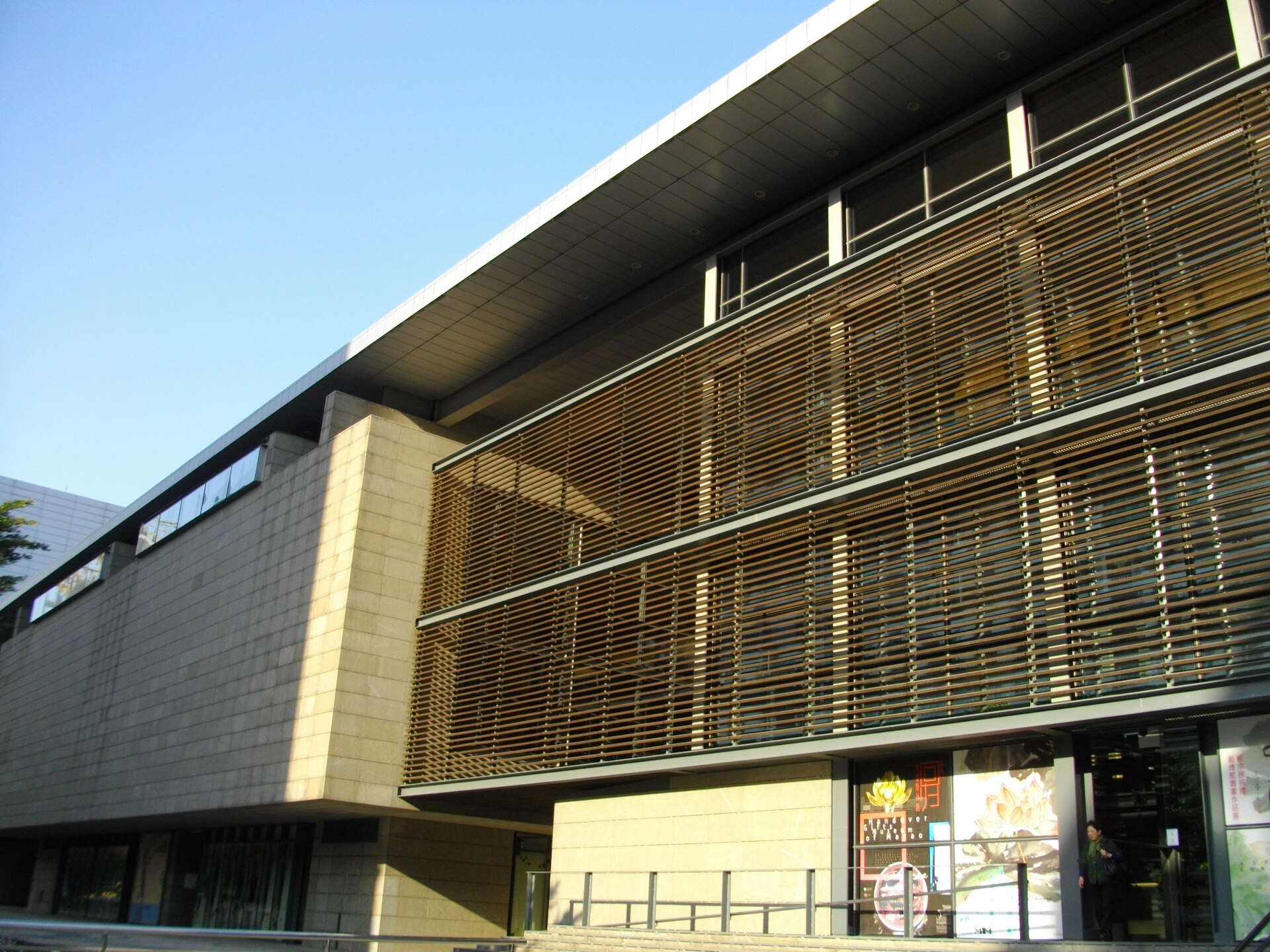
Abasaa · Public domain · Wikimedia Commons
Displays the gifts presented for the 1999 handover — free, small, well air-conditioned. Attached to the art museum: a stop on the way, not a destination.
No machine-readable author provided. KAMSAND23 assumed (based on copyright claims). · CC BY-SA 2.5 · Wikimedia Commons
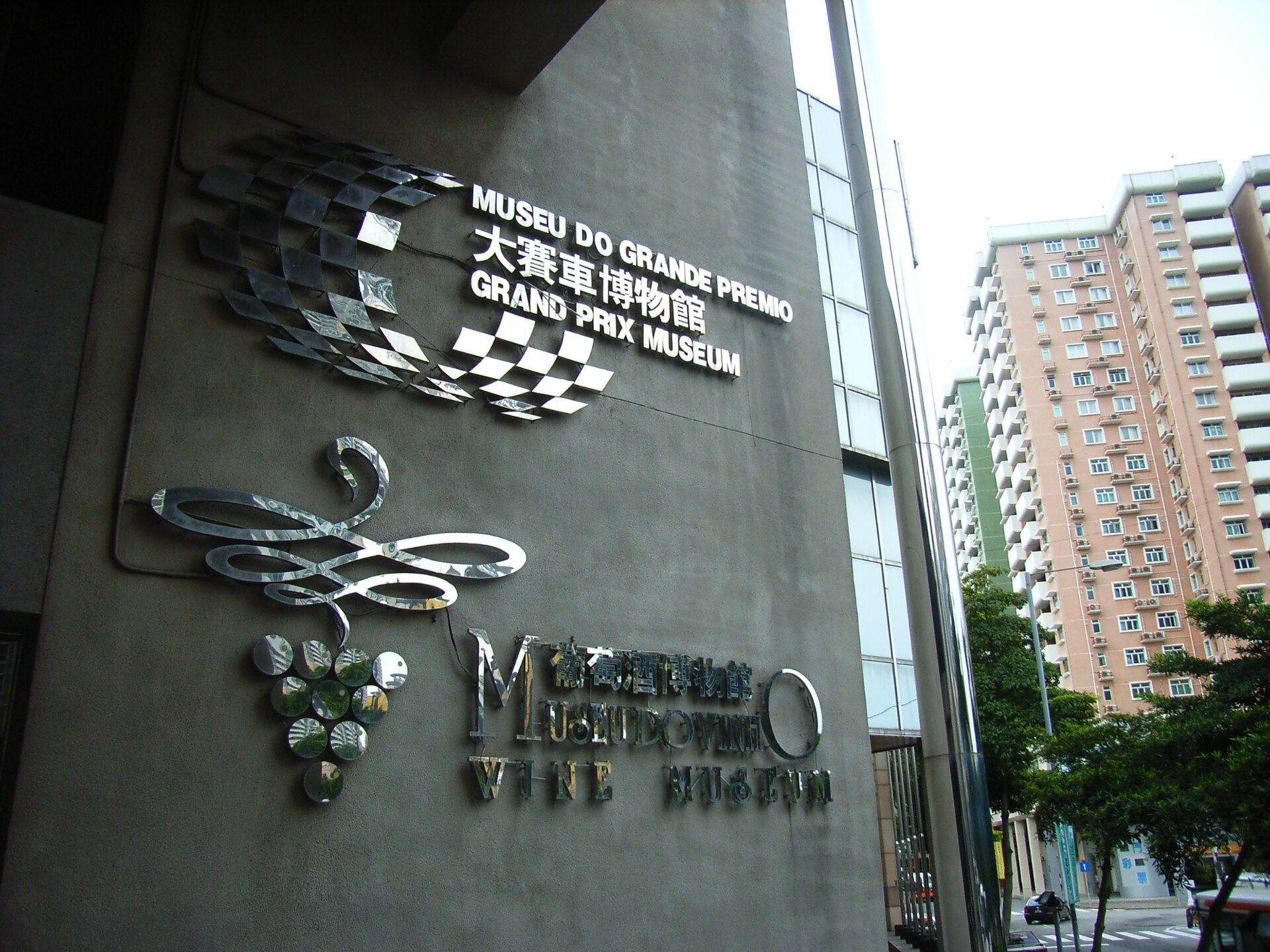
The Macau Grand Prix from 1954 to now, with real cars and simulators. Even people indifferent to racing tend to be won over by the street-circuit map.
Fanghong · CC BY-SA 3.0 · Wikimedia Commons
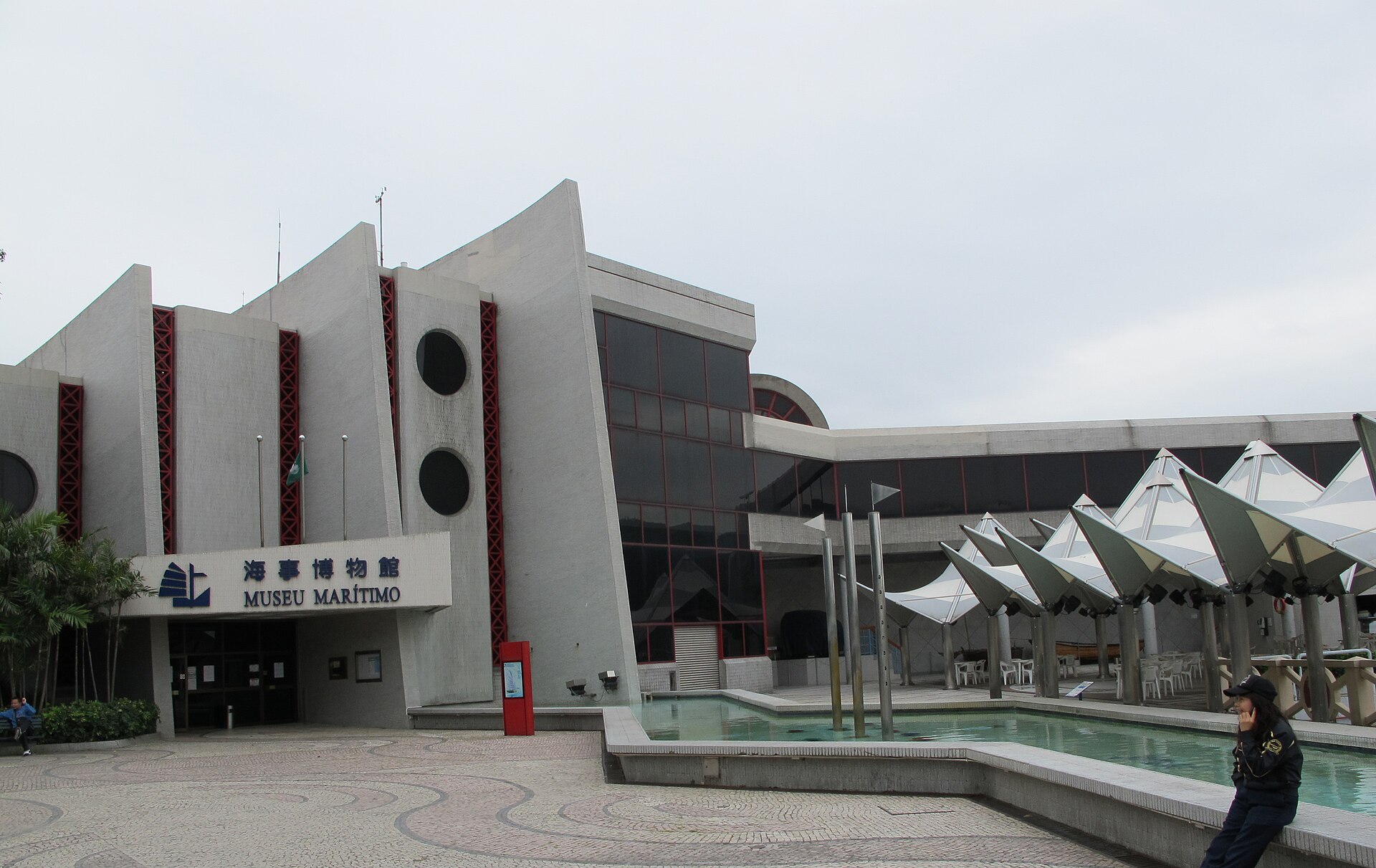
Directly opposite A-Ma Temple, on Macau as a port: ship models, fishing gear, navigation history. Same stop as the temple — no separate slot needed.
Mo707 · CC BY-SA 3.0 · Wikimedia Commons
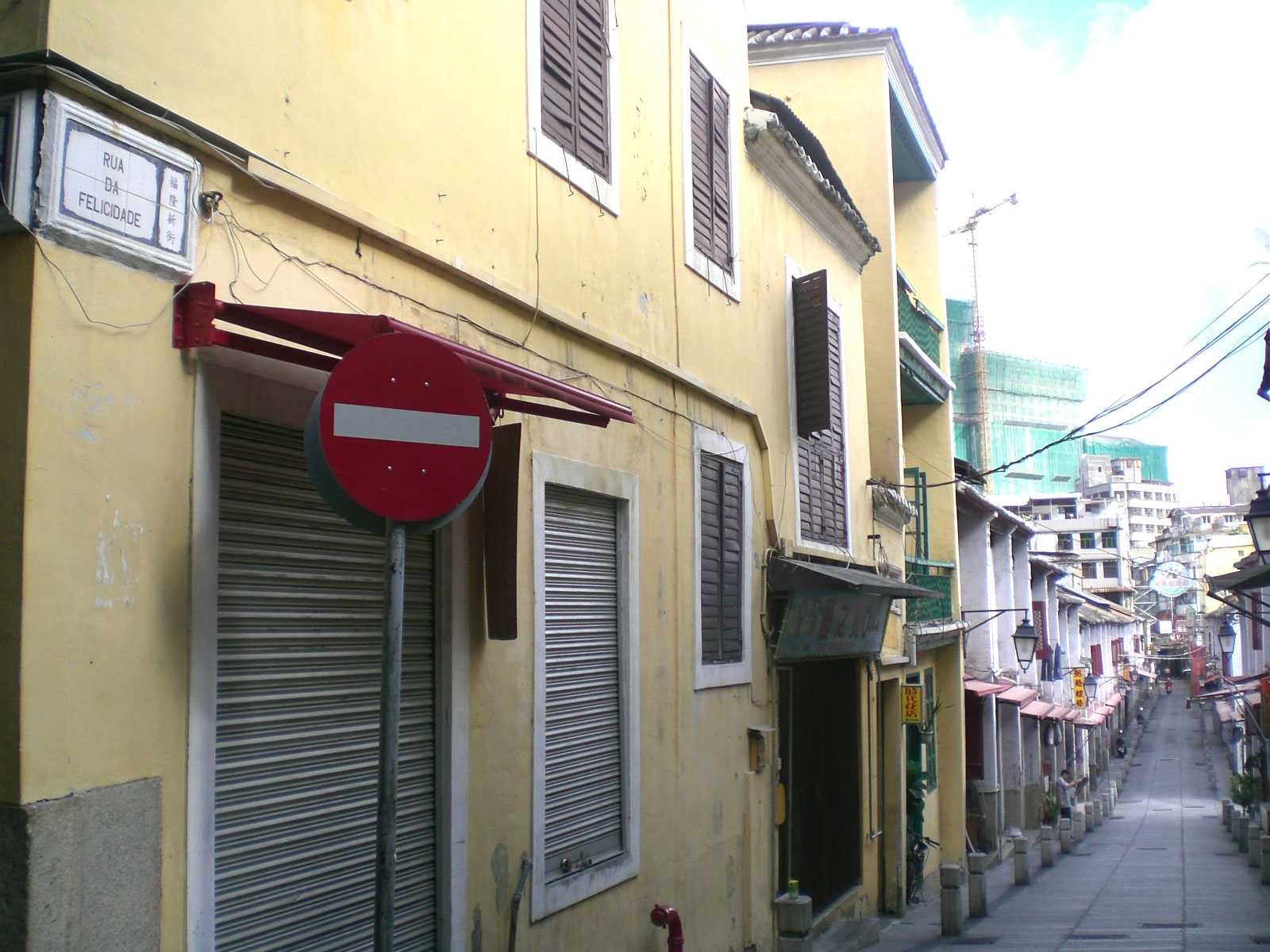
A whole street of red doors and shutters, a nineteenth-century pleasure quarter now given over to eateries and souvenirs. Its value is the intact streetscape, not any one shop.
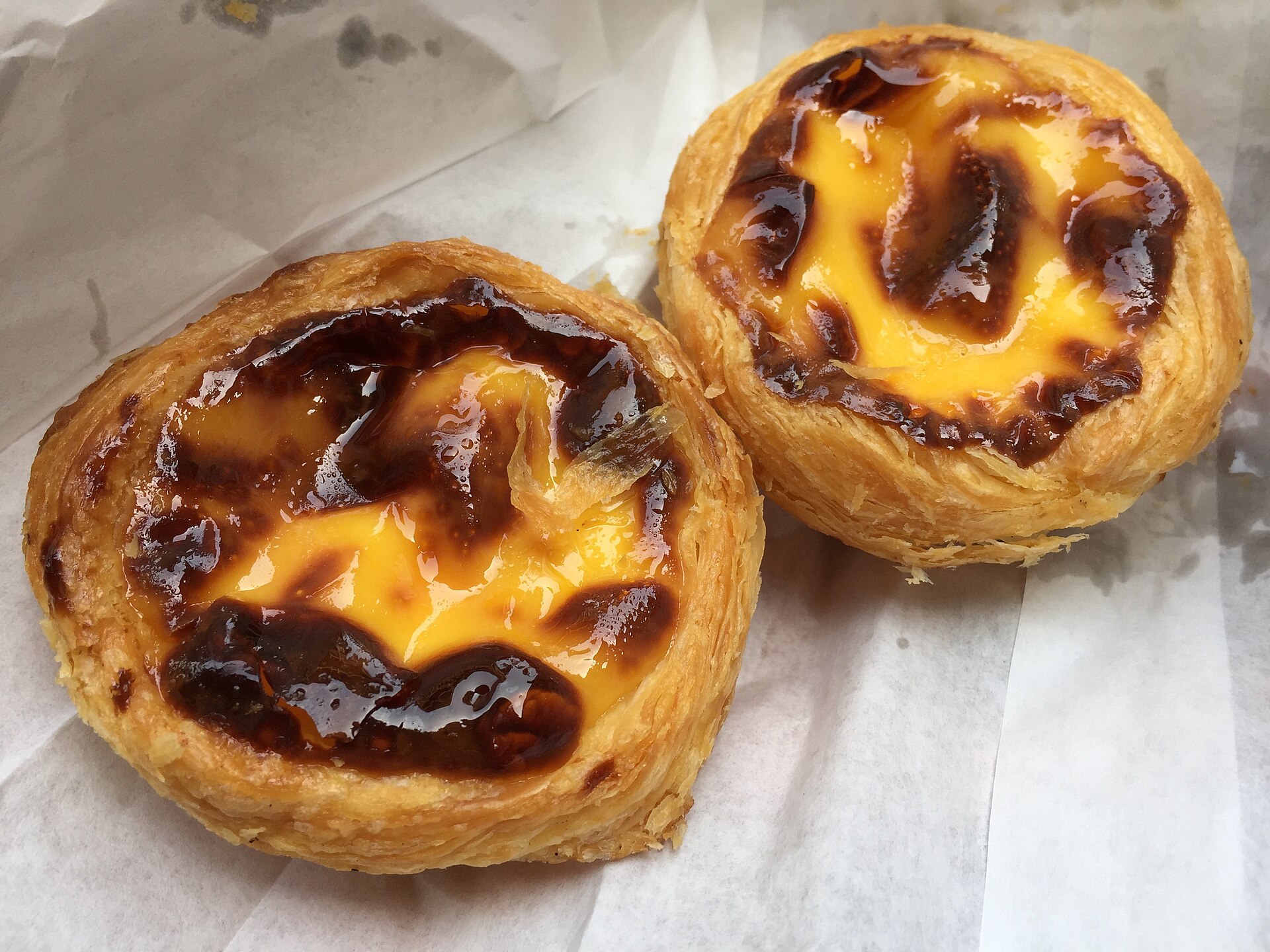
bryan... · CC BY-SA 2.0 · Wikimedia Commons
The peninsula's egg-tart option, tucked in a lane behind Grand Lisboa. No need to queue at both for comparison — this and the Coloane one were never the same thing.
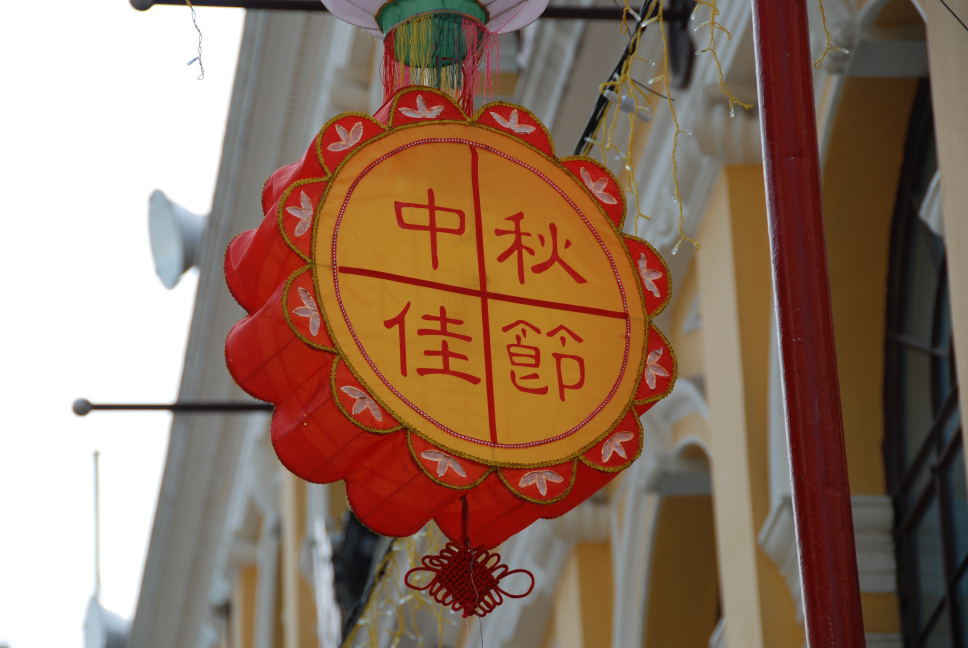
jetsun · CC BY-SA 3.0 · Wikimedia Commons
The cluster of bamboo-pressed noodle and wonton houses around Senado Square and Travessa da Sé. Rather than queue for one name, walk the lane and take whichever has a seat.
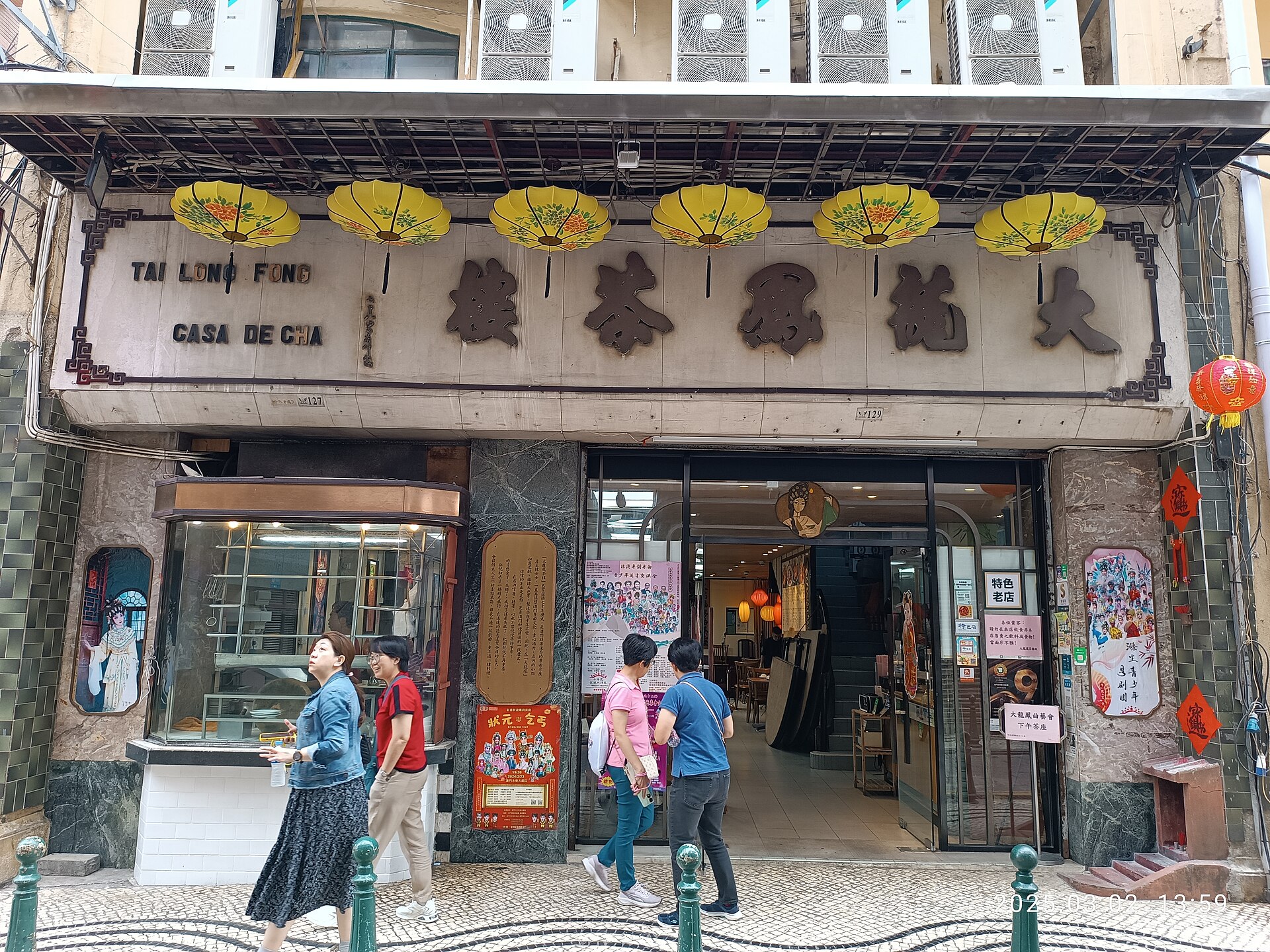
Mama AXunLong08 · CC0 · Wikimedia Commons
An old street by the Inner Harbour mixing bakeries, cafés and pre-war tea rooms. Far fewer visitors than Almeida Ribeiro — breakfast belongs on this side.
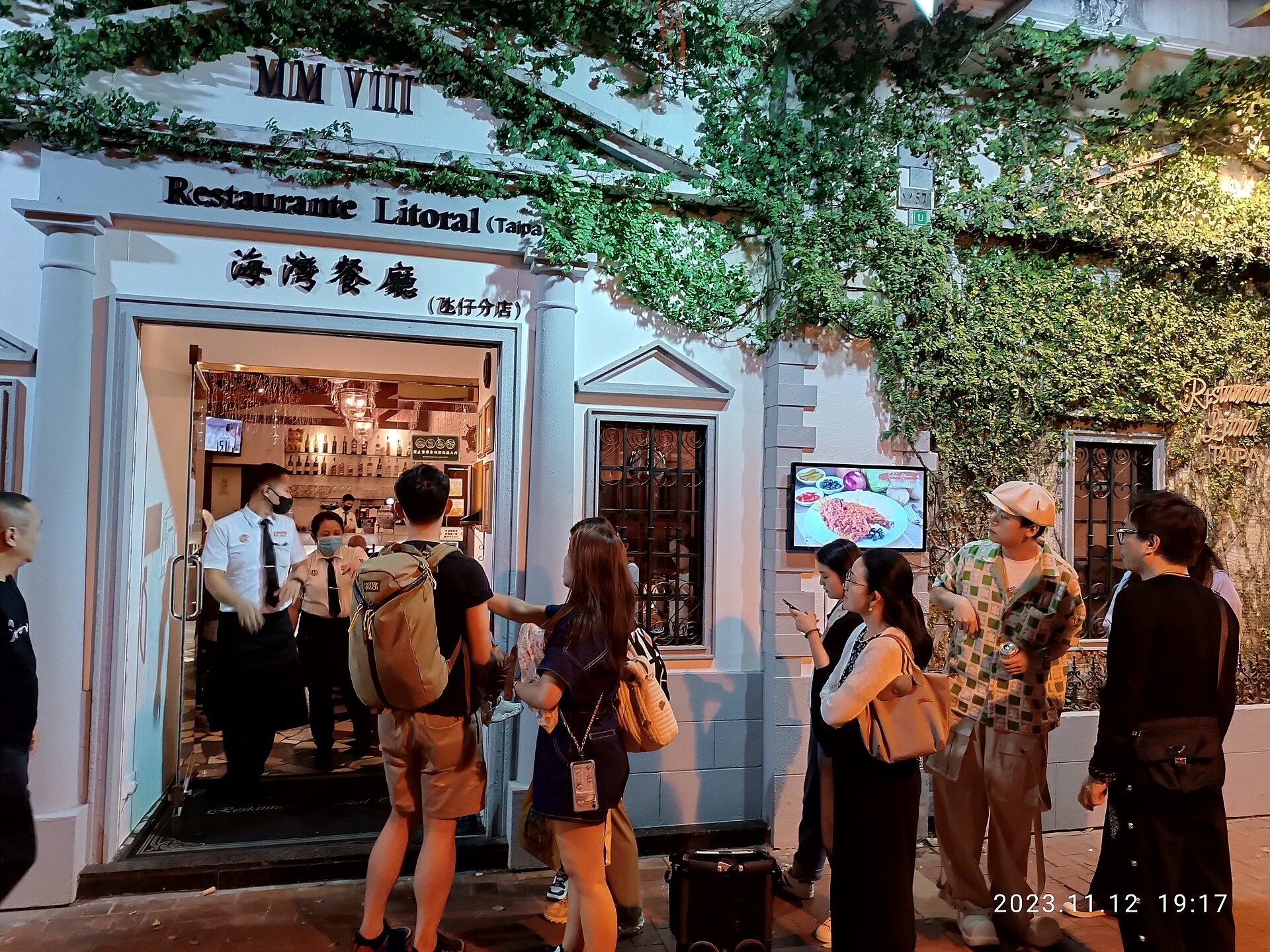
Kamfutiam Georgez · CC0 · Wikimedia Commons
A long-established Macanese house on Rua do Almirante Sérgio doing African chicken and bacalhau the canonical way. Several comparable Portuguese kitchens sit on this stretch — keep dinner in the south.
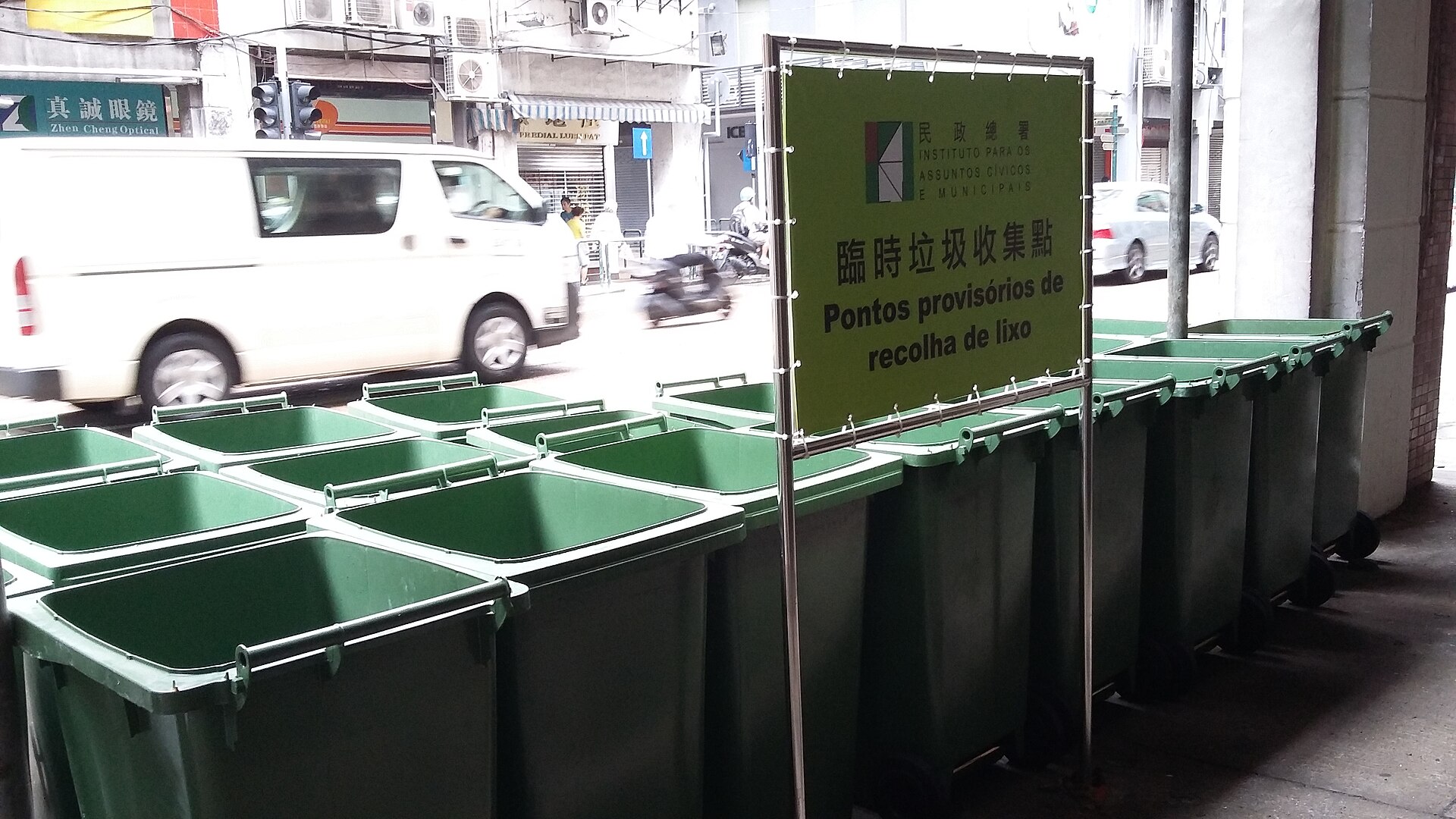
JyunWaan · CC BY-SA 4.0 · Wikimedia Commons
Seafood stalls and old eating houses along Rua do Almirante Sérgio, still facing a working fishing harbour. Not a tourist strip — ask about prices and the menu before ordering.
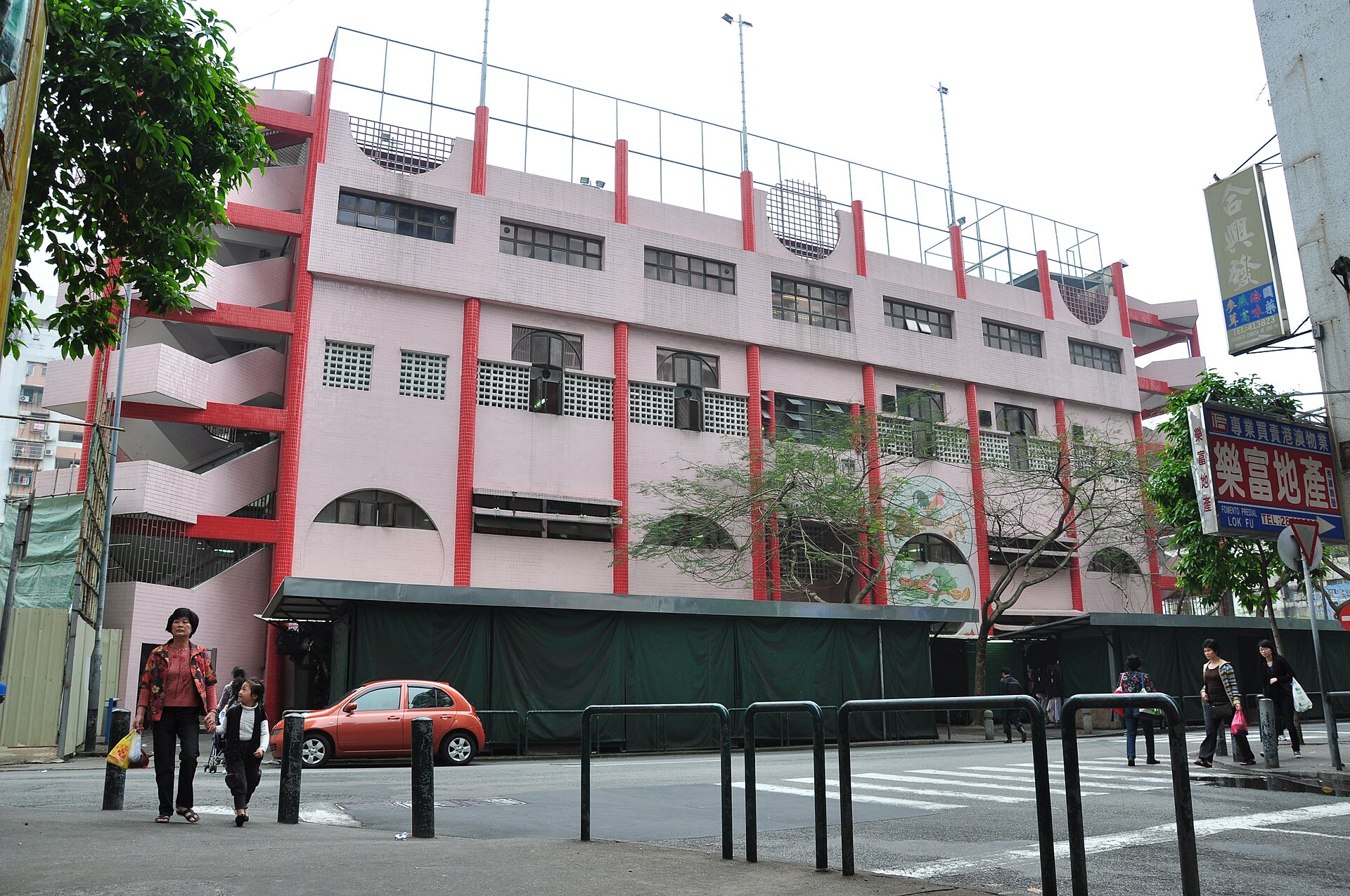
Whhalbert · CC BY-SA 3.0 · Wikimedia Commons
A market and cooked-food quarter in the north district at local prices, with almost no visitors. For everyday Macau with no performance in it, this is more direct than Three Lamps.
Kabacchi · CC BY 2.0 · Wikimedia Commons
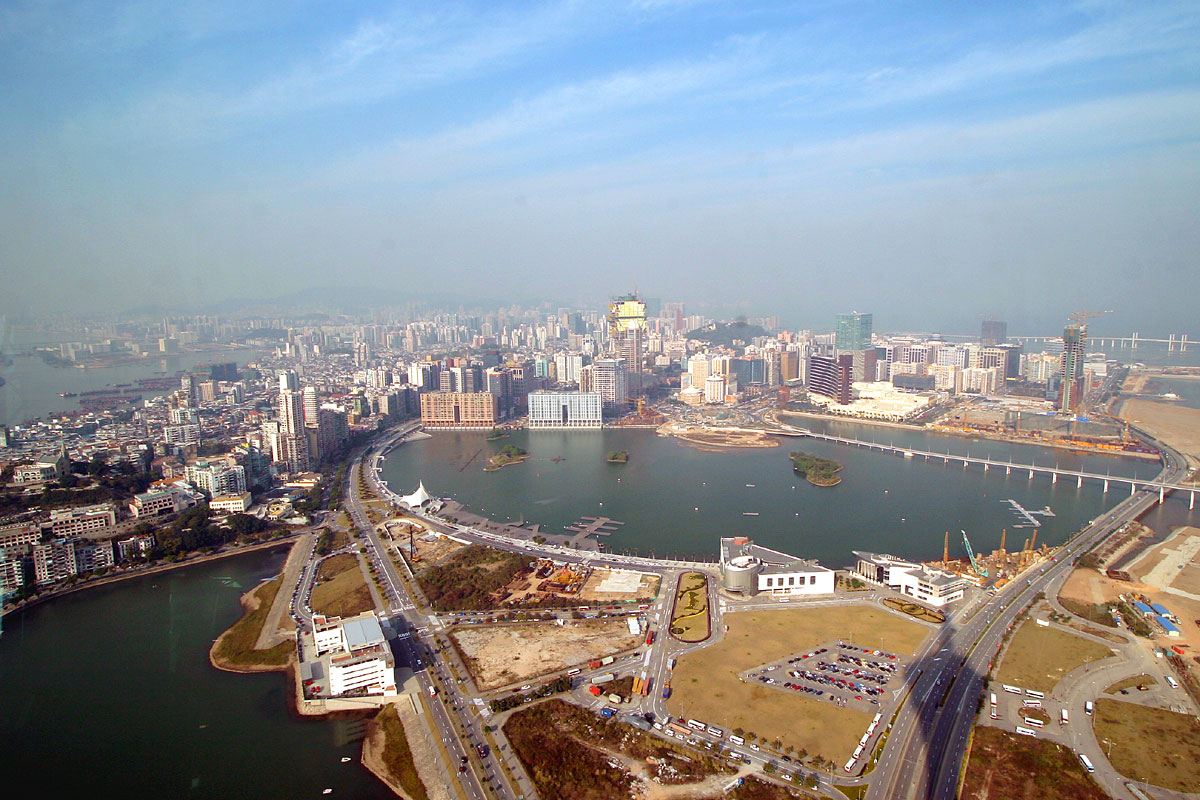
An artificial lake left behind by reclamation, ringed by a flat continuous path — the one place on the peninsula you can walk forty minutes without crossing a road.
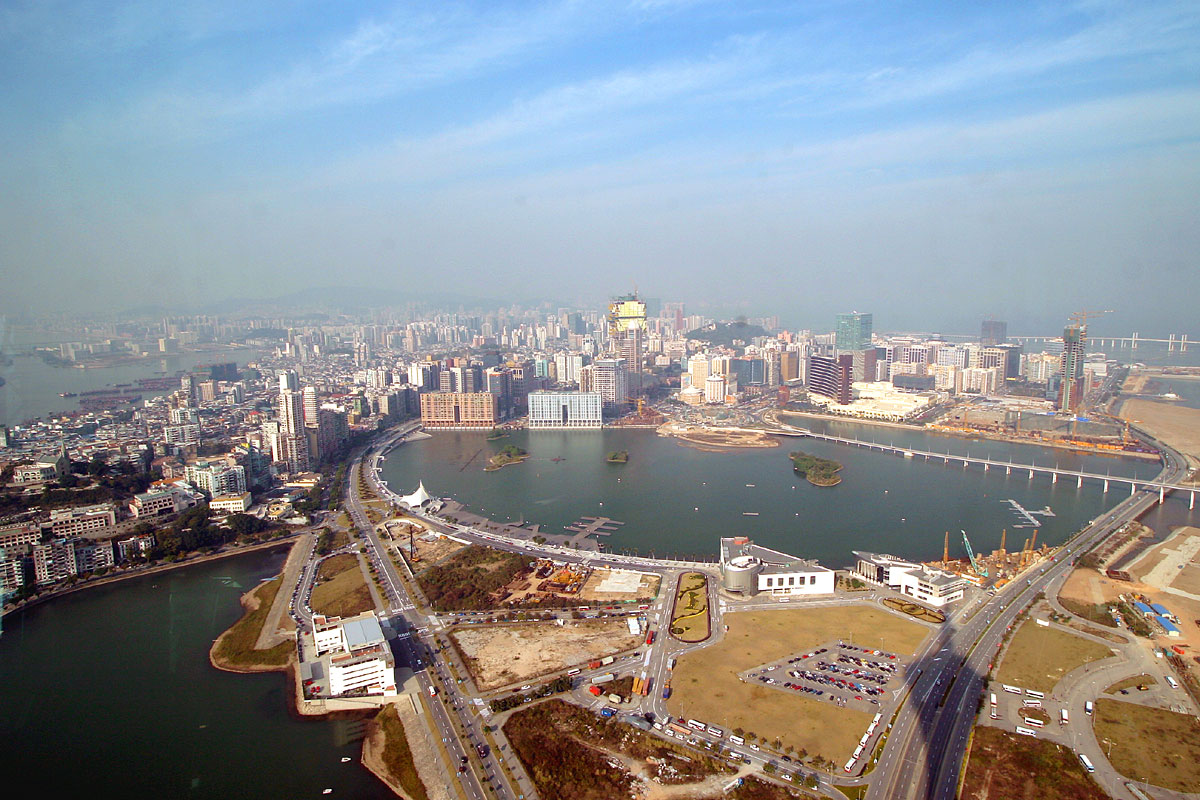
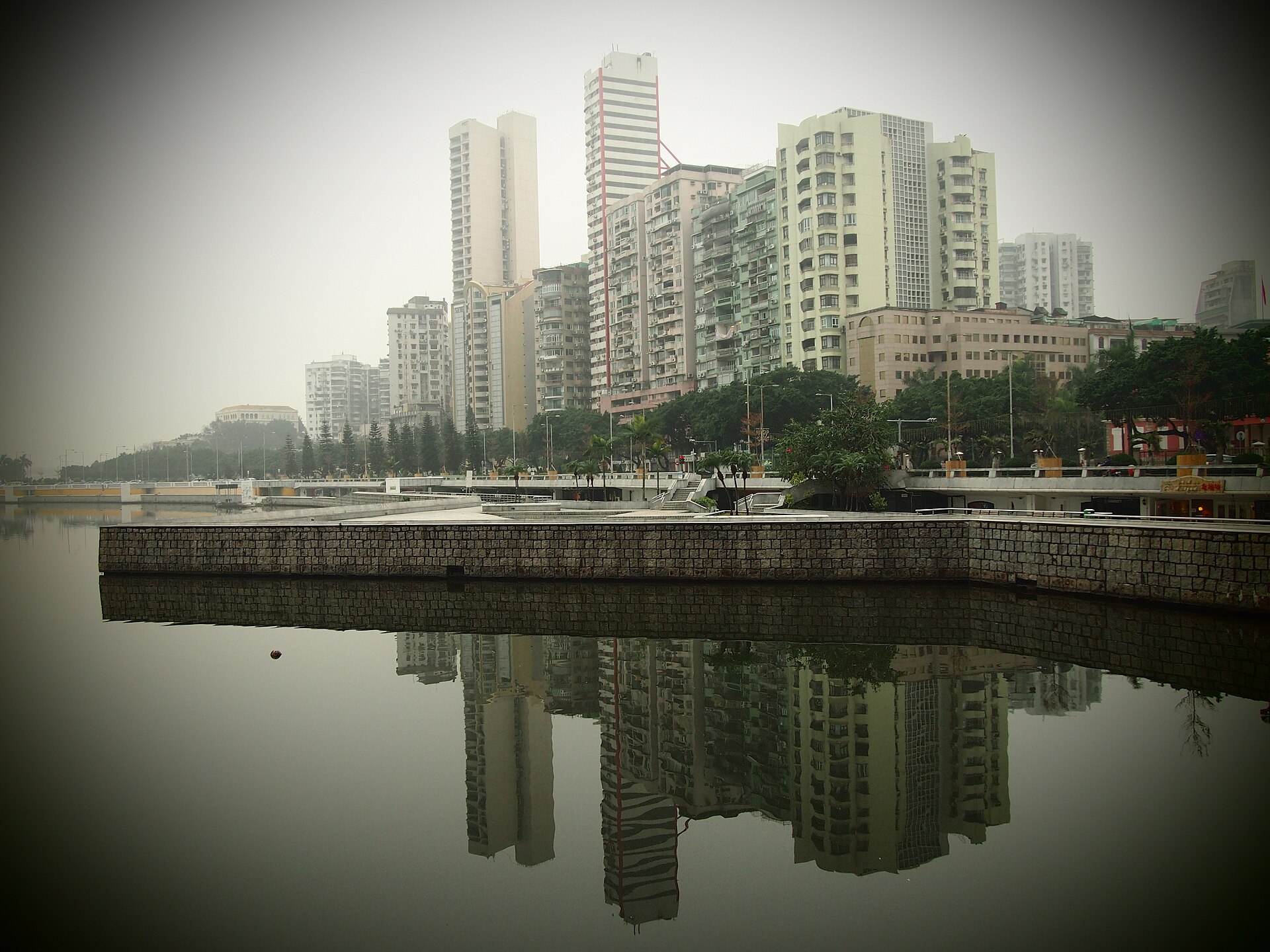
Kabacchi · CC BY 2.0 · Wikimedia Commons
The second sheet of water west of Nam Van, and where the angles on the Sai Van Bridge and Macau Tower are. Quieter than Nam Van and the stretch locals run.
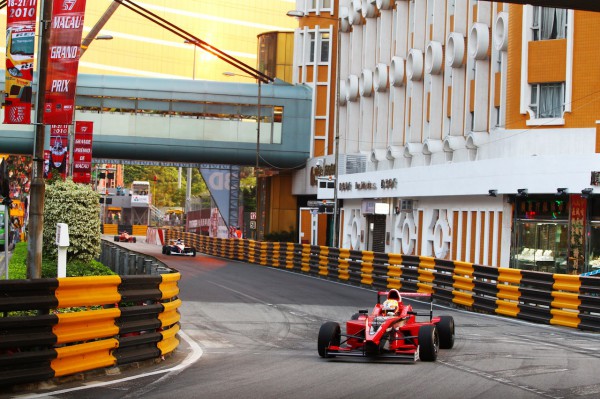
Edwin Leong · CC BY-SA 2.0 · Wikimedia Commons
A small creative-and-dining pocket on the Nam Van shore with pedal boats for hire. Its use is giving you a reason to sit down on the lakeside walk.
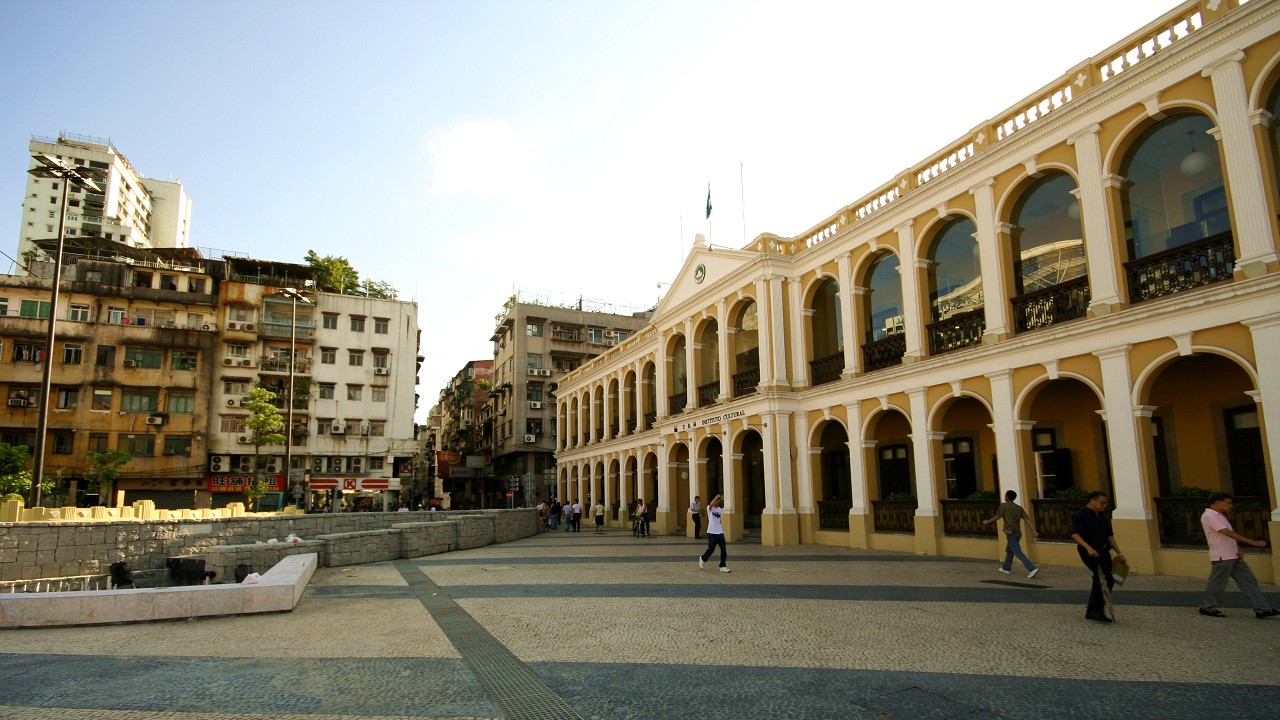
JamesKen · CC BY-SA 3.0 · Wikimedia Commons
A gentle path circling Guia Hill and the city's main morning-exercise ground. Beyond the fort at the top, the loop itself is the best green stretch on the peninsula.
Iidxplus · CC BY-SA 3.0 · Wikimedia Commons
A large square in black-and-white cobbles, framed by restored Portuguese public buildings. Exhibitions and fairs rotate through it; with nothing on, it is simply an open expanse.
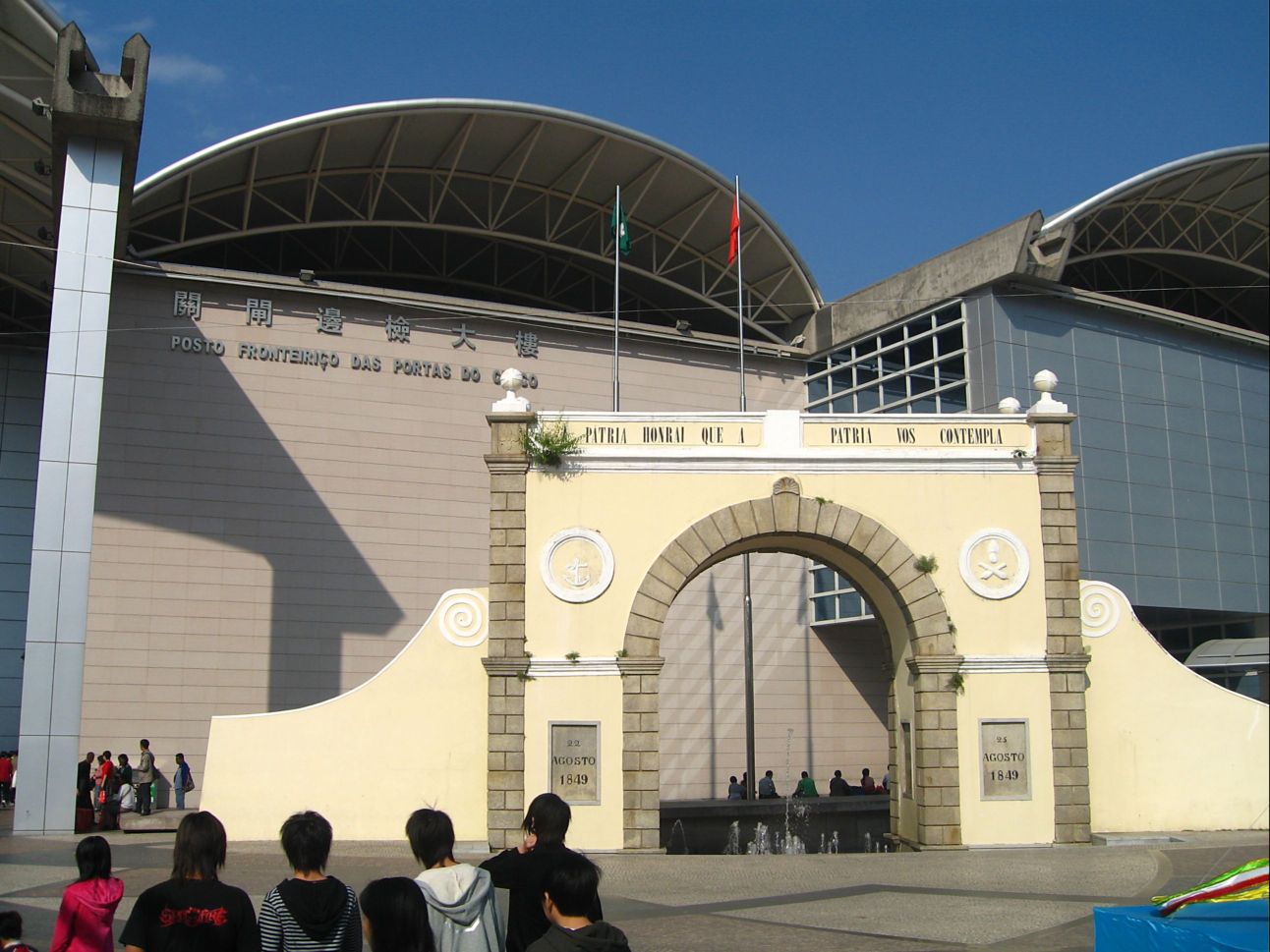
Slleong · Public domain · Wikimedia Commons
The main land crossing to Zhuhai and the northern hub of the whole bus network. The densest point in Macau — budget immigration as its own block of time.
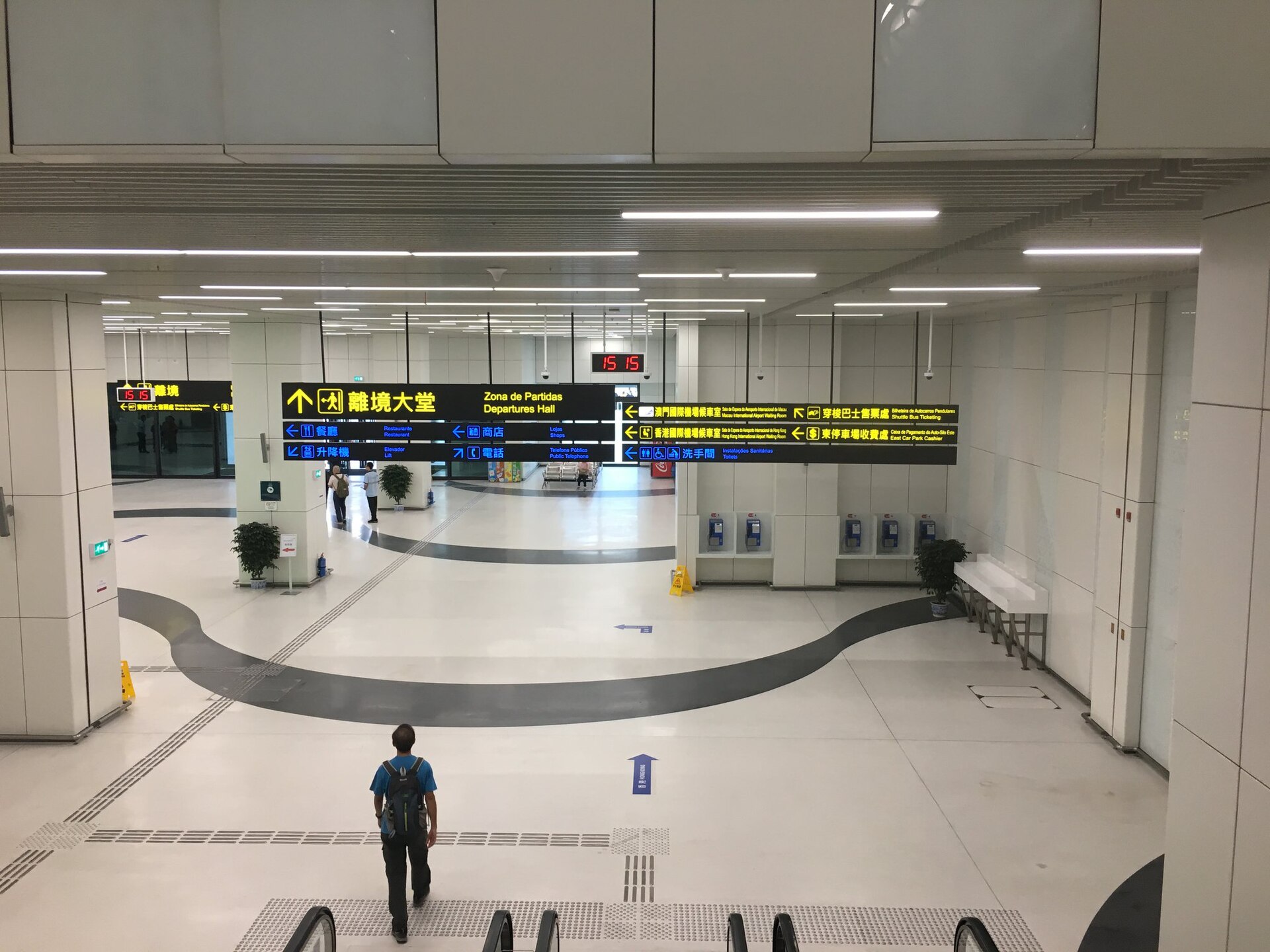
LN9267 · CC BY-SA 4.0 · Wikimedia Commons
The checkpoint on the artificial island, with bridge links to Hong Kong and Zhuhai. Easier to reach from the airport and Taipa side than from the old town — sort your connection before you travel.
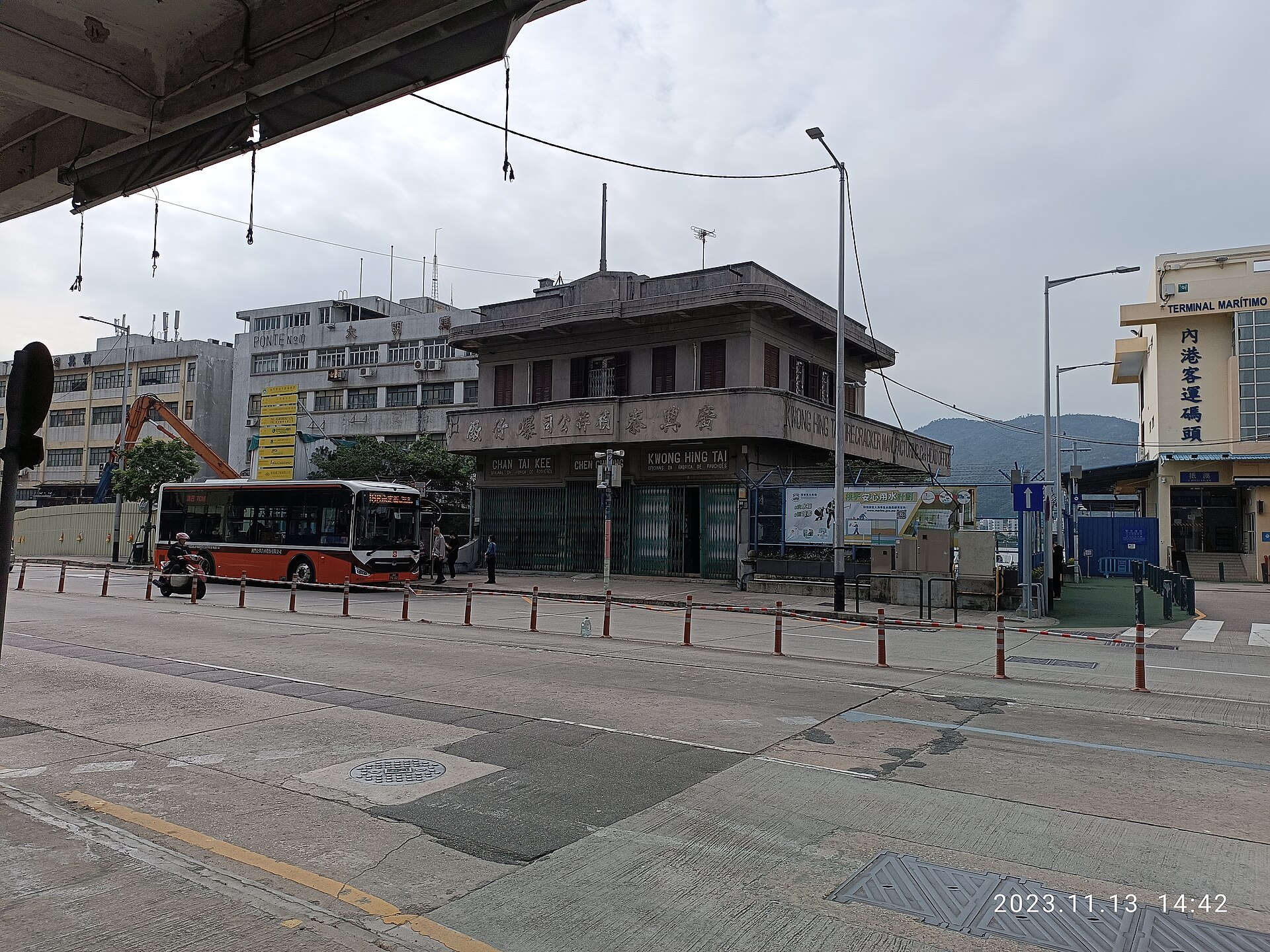
Kamfutiam Georgez · CC0 · Wikimedia Commons
A small pier west of the old town, once Macau's main gateway and now down to limited services. You come to read the scale of the old port, not to catch a boat.
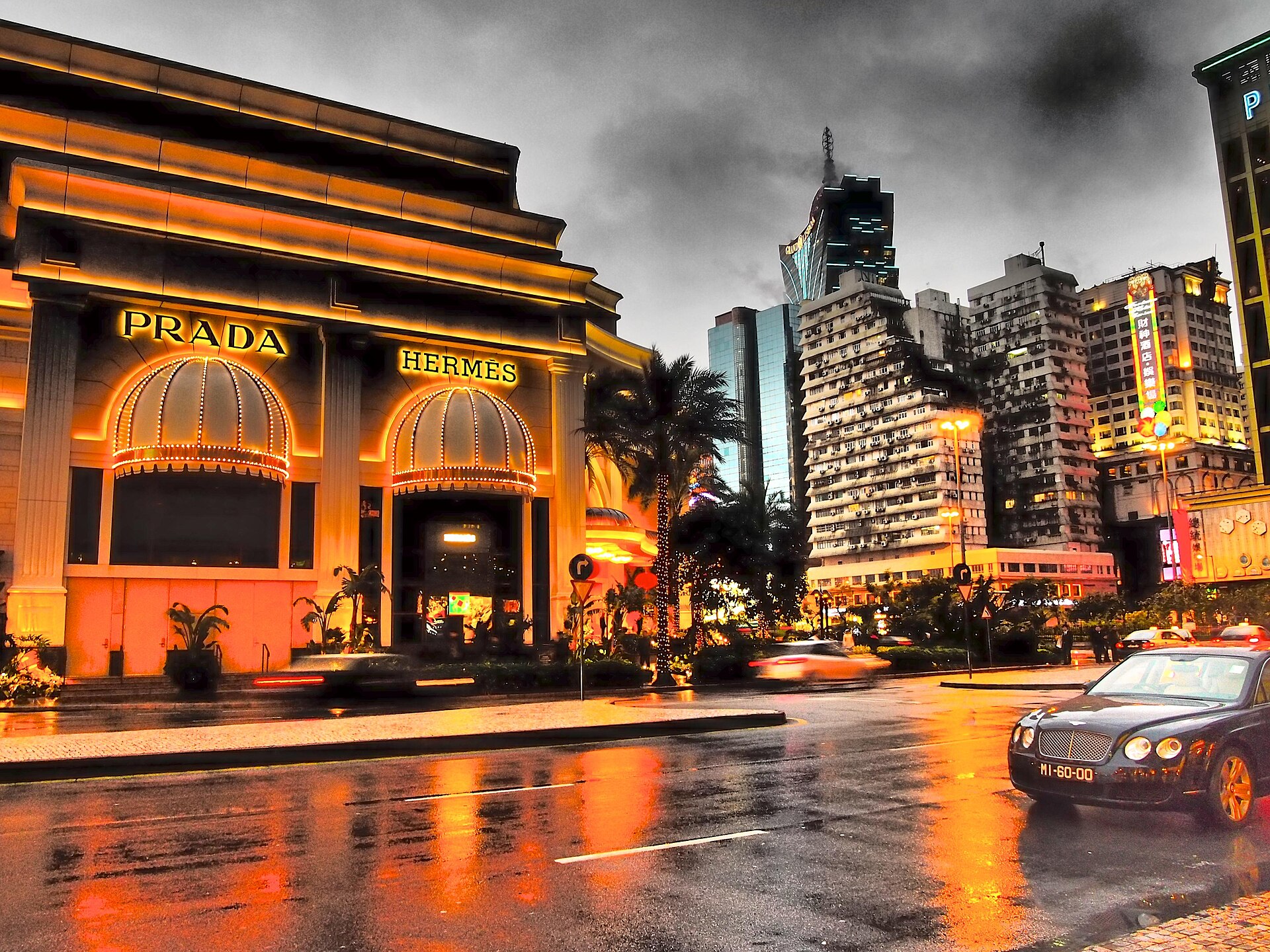
Edwin Leong · CC BY-SA 2.0 · Wikimedia Commons
The grid of reclaimed blocks behind the Outer Harbour, mixing restaurants, bars and offices. One of the few parts of Macau with street-level night life that belongs to no resort.
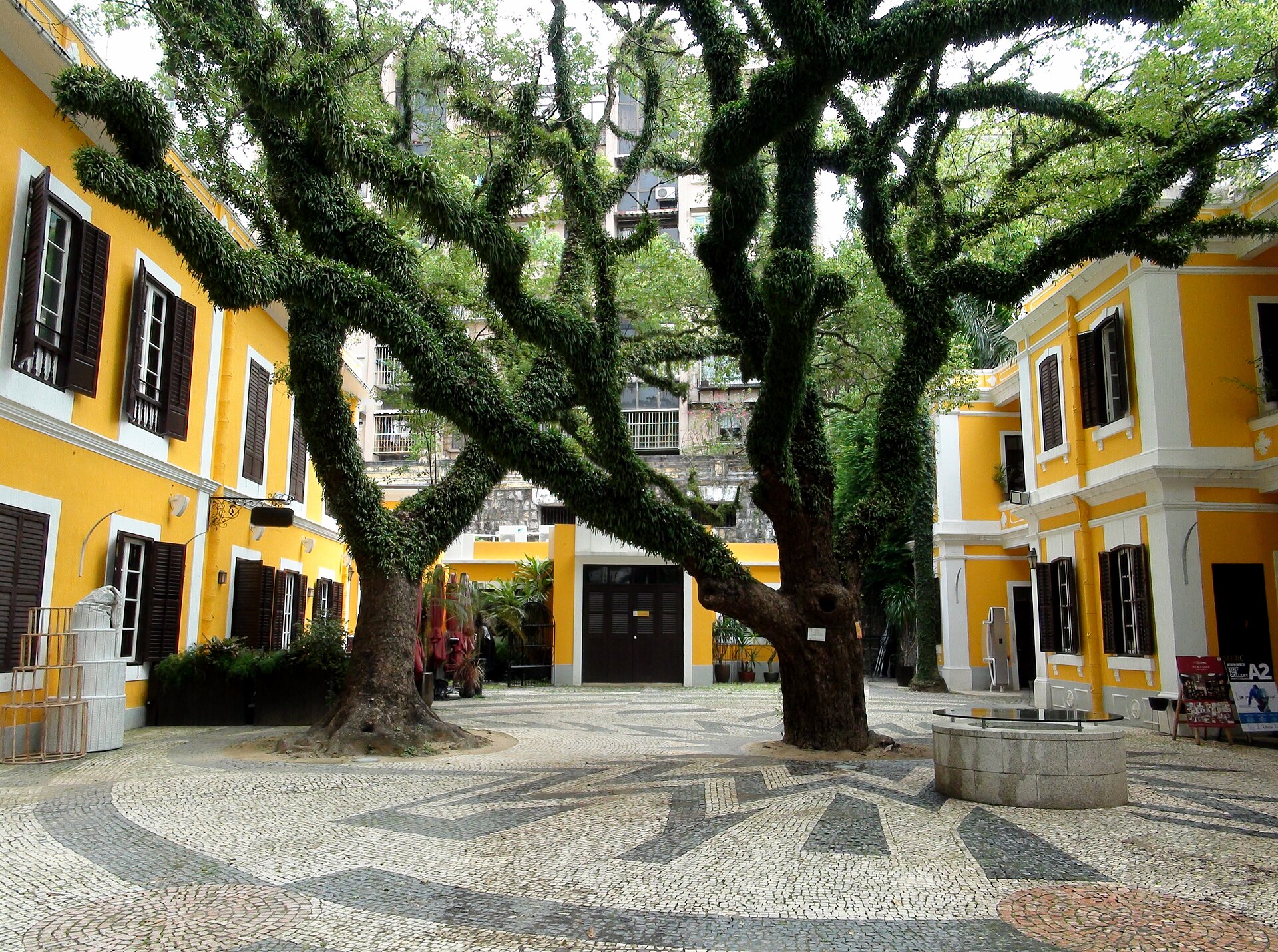
Sakaori ( talk ) · CC BY 3.0 · Wikimedia Commons
The yellow-walled blocks around Calçada da Igreja de S. Lázaro, scattered with small galleries and studios. The closest Macau gets to browsing in peace — though shop hours are casual.
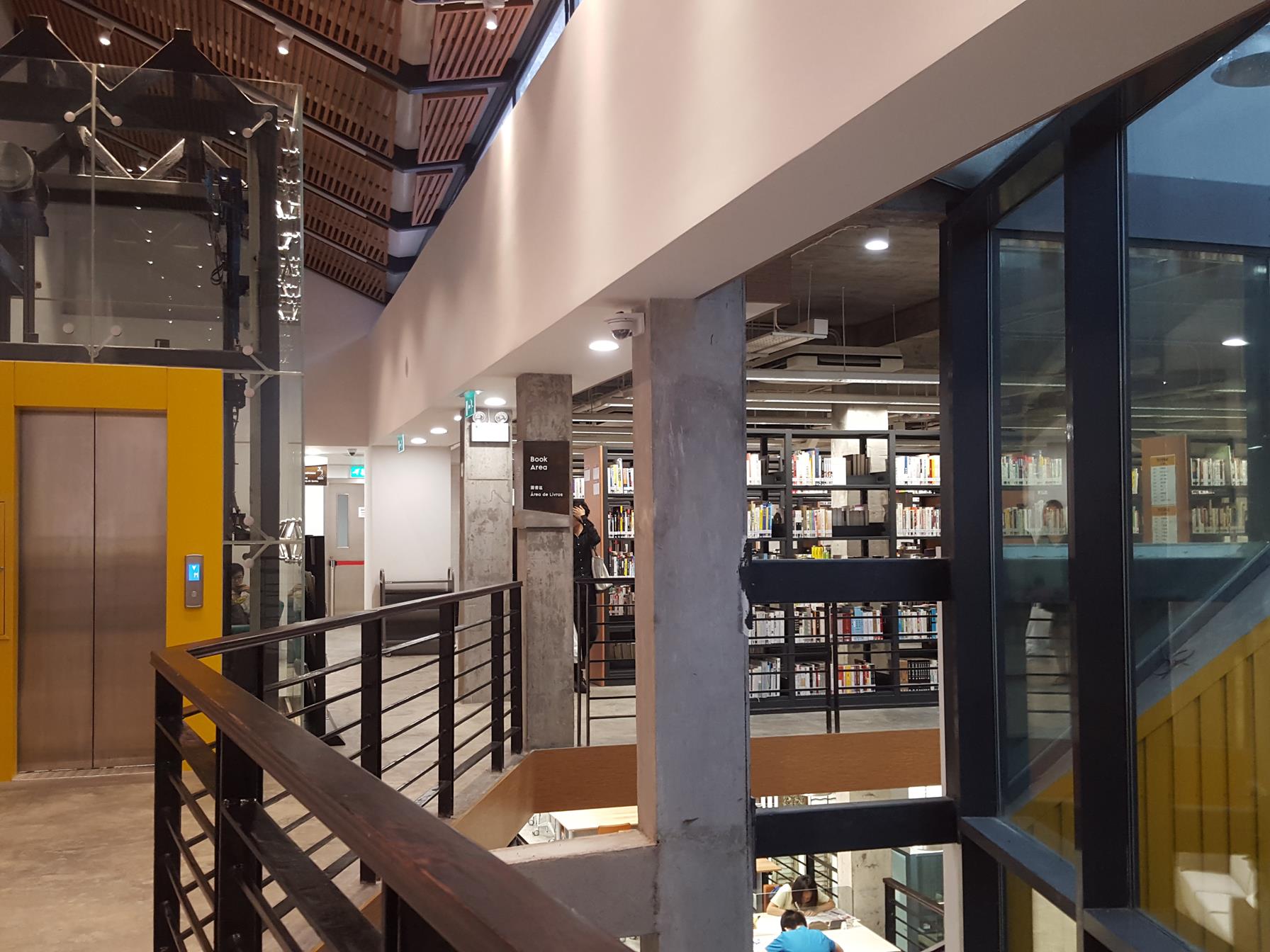
Doraemon.tvb · CC BY-SA 3.0 · Wikimedia Commons
The old quarter at the north end of the Inner Harbour, where ship-chandlers, incense shops and tenement blocks still trade. What Macau looks like outside the gaming economy.
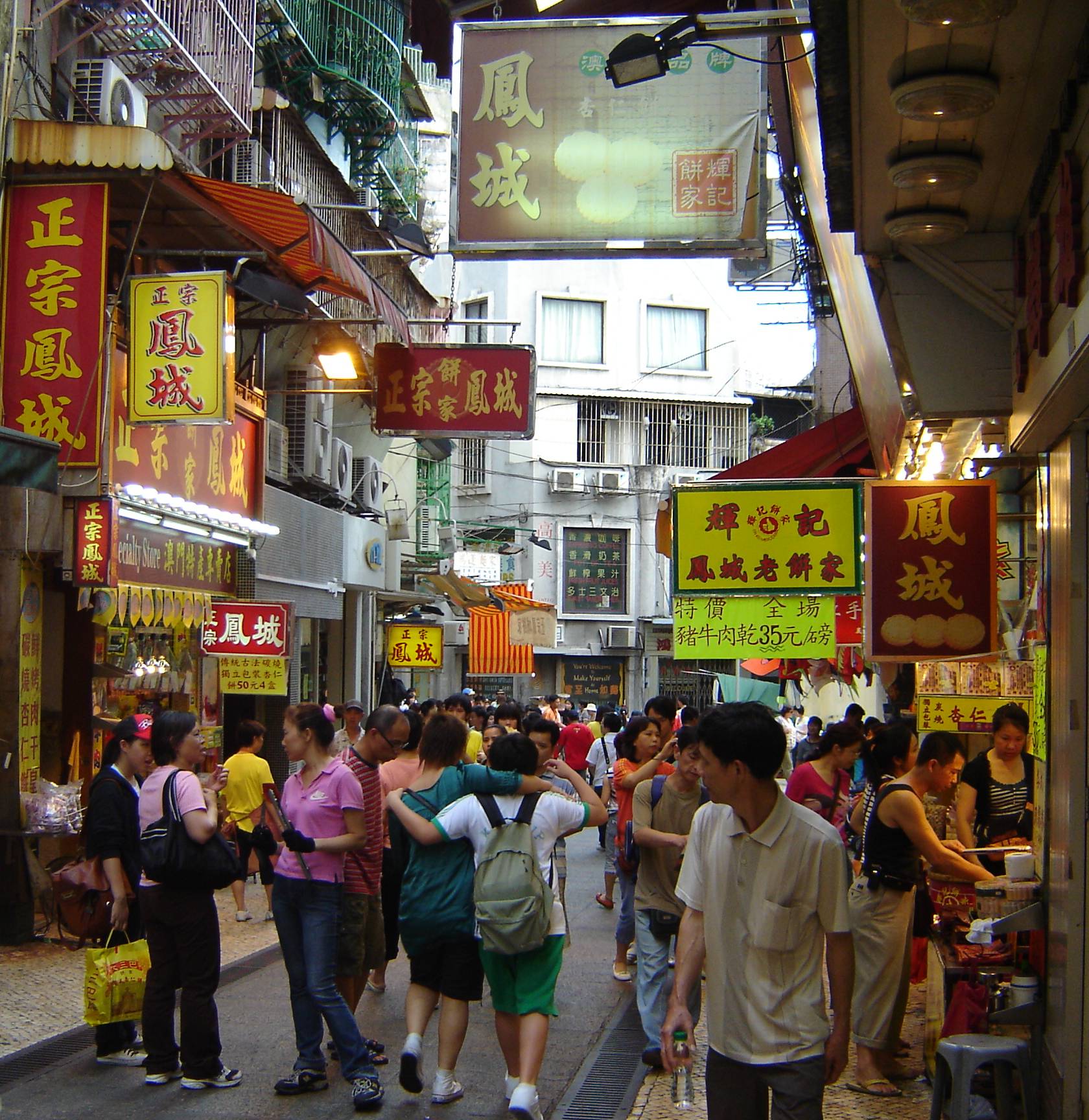
KTo288 · CC BY-SA 3.0 · Wikimedia Commons
The souvenir street running from Senado Square up to the Ruins. Almond-cookie and jerky sampling runs the full length — set a stop-loss before you enter.
Next stop
Walk the slope, or take a bus or shuttle to the next sight, hall or bakery. Do not backtrack.
Walk · 6min
Steps beside the façade
After the façade, the fort terrace above — Cotai is not the next stop yet.
Walk · 2min
Right behind the façade
The tiny temple behind the ruin is the point about how this city shares ground — two steps, so do not leave after the photo.
Walk · 4min
Travessa da Paixão
The photo lane is a side beat of the façade, not a separate outing.
Walk · 6min
Rua de Santo António
A working parish church sits a few minutes west of the ruin, with a tenth of the people.