江戸村のとくぞう (Edomura no Tokuzo) · CC BY-SA 4.0 · Wikimedia Commons
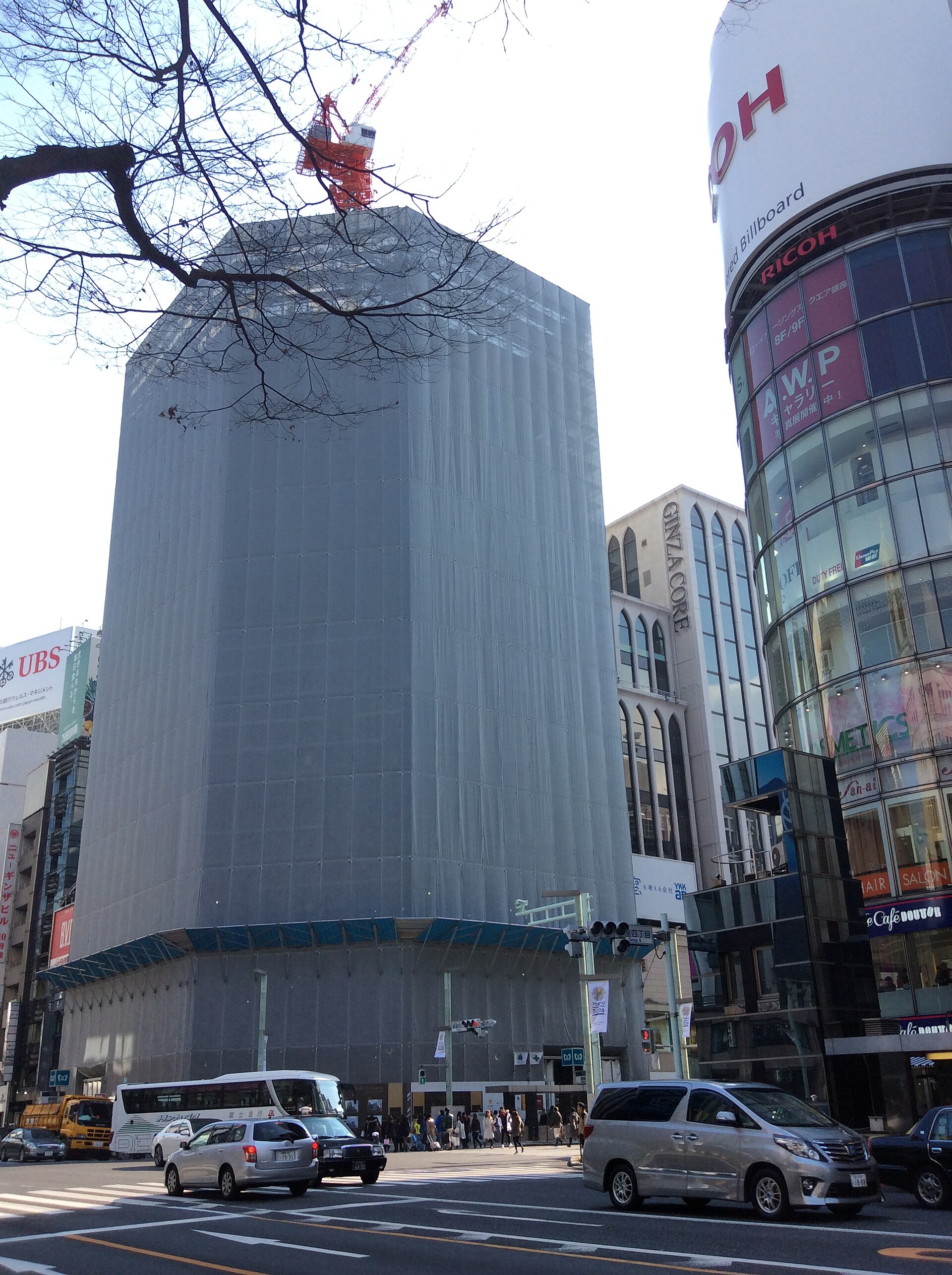
Ginza Yonchome
The Wako clock crossing. One department-store axis; next is Tokyo Station or Tsukiji outer — not Shibuya.
tokyo-center
Ginza Yonchome, Tokyo Station brick and the Imperial Palace outer gardens. In rain the department stores are the spine; Tsukiji outer is a half-day of its own.
ERGAchips · Public domain · Wikimedia Commons
Tokyo walking engine 98
35.671700, 139.764900
Location unused. Tap “My location” to measure distance with browser GPS.
江戸村のとくぞう (Edomura no Tokuzo) · CC BY-SA 4.0 · Wikimedia Commons
The Wako clock crossing. One department-store axis; next is Tokyo Station or Tsukiji outer — not Shibuya.
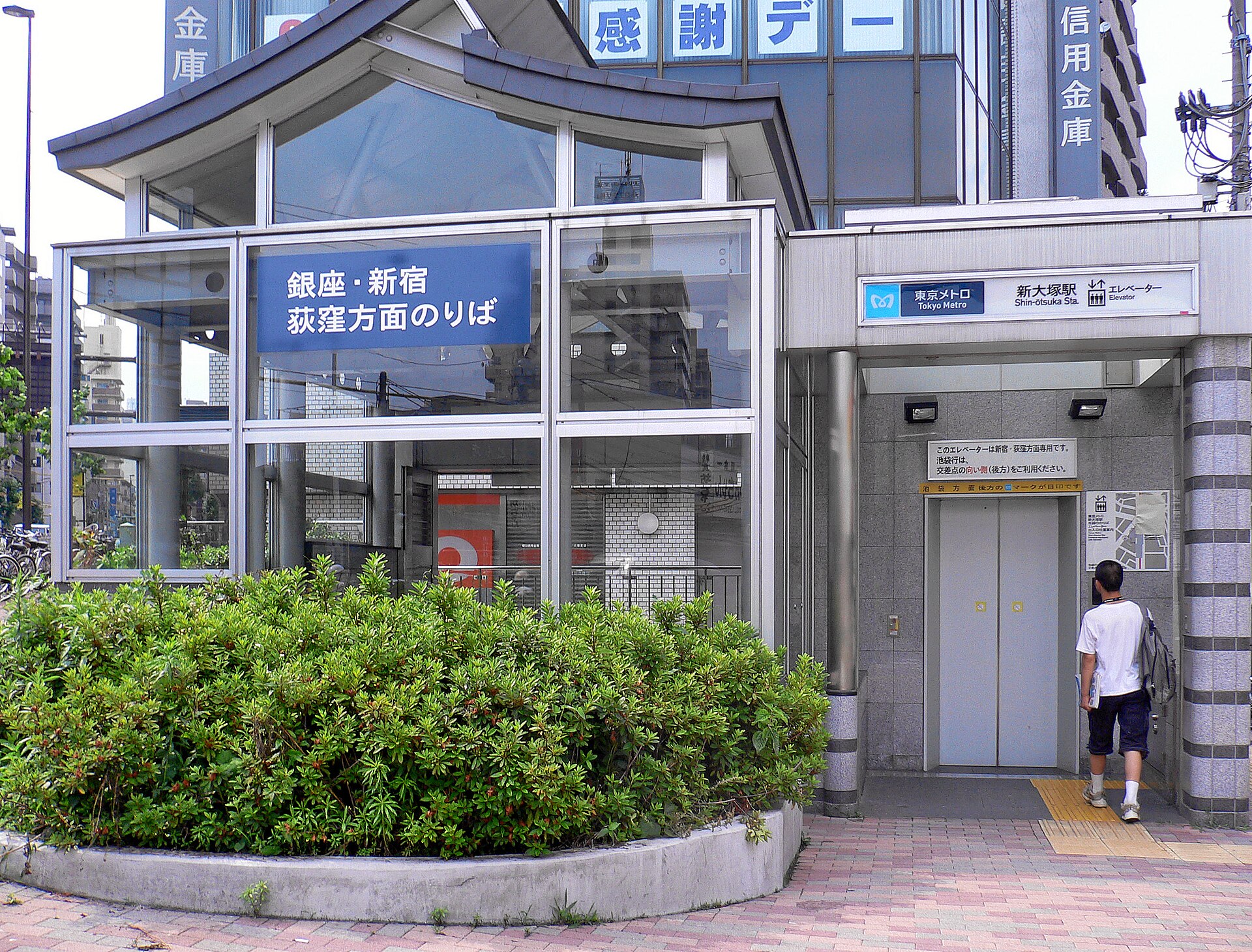
Photo by Syohei Arai (talk) · CC BY-SA 3.0 · Wikimedia Commons
Marunouchi brick and underground Character Street. Treat it as a hub and a shop stop, not only a transfer.
Chris 73 · CC BY-SA 3.0 · Wikimedia Commons
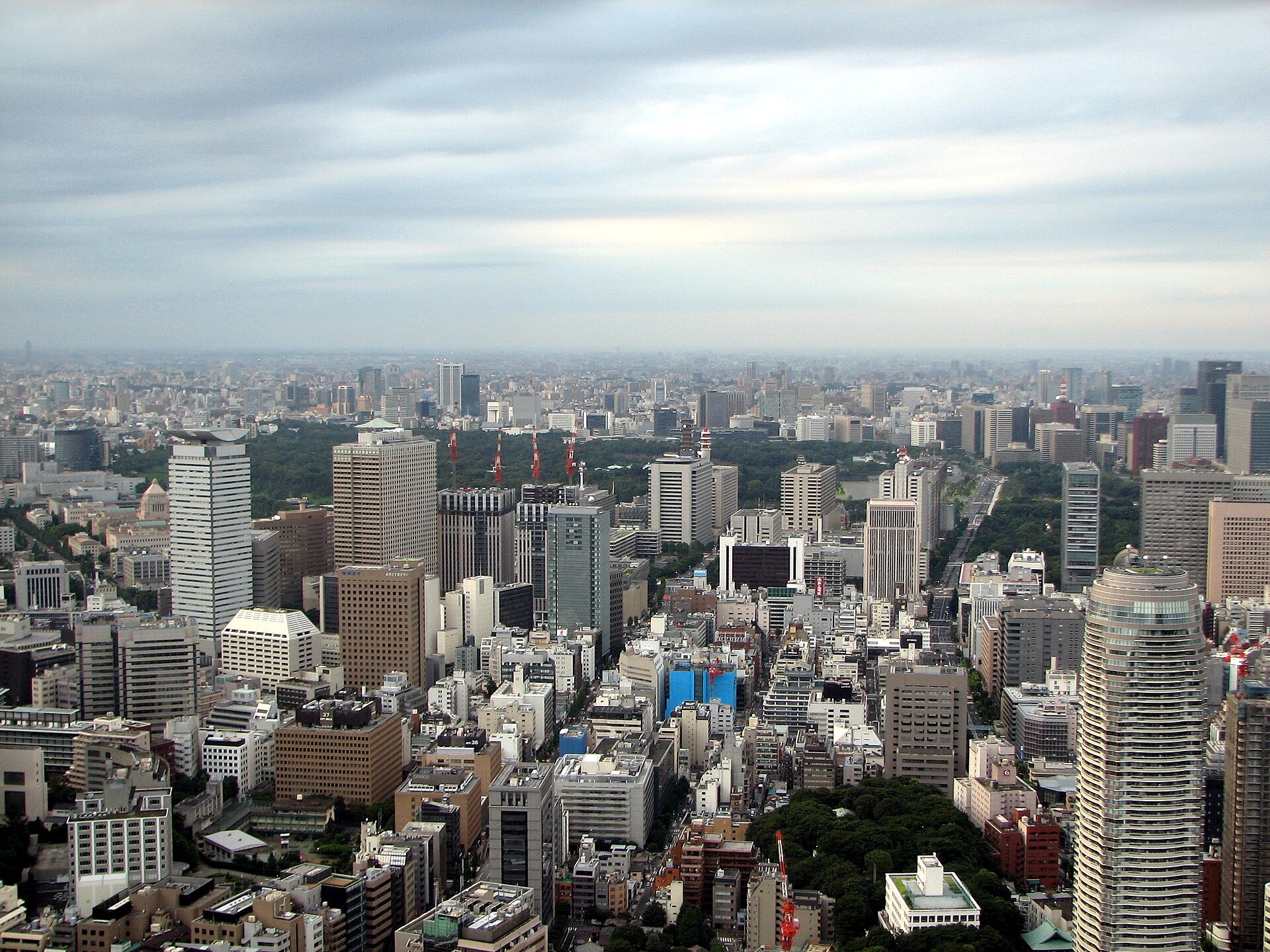
Nijubashi and the plaza. Outer gardens are enough; the East Gardens need their own slot.
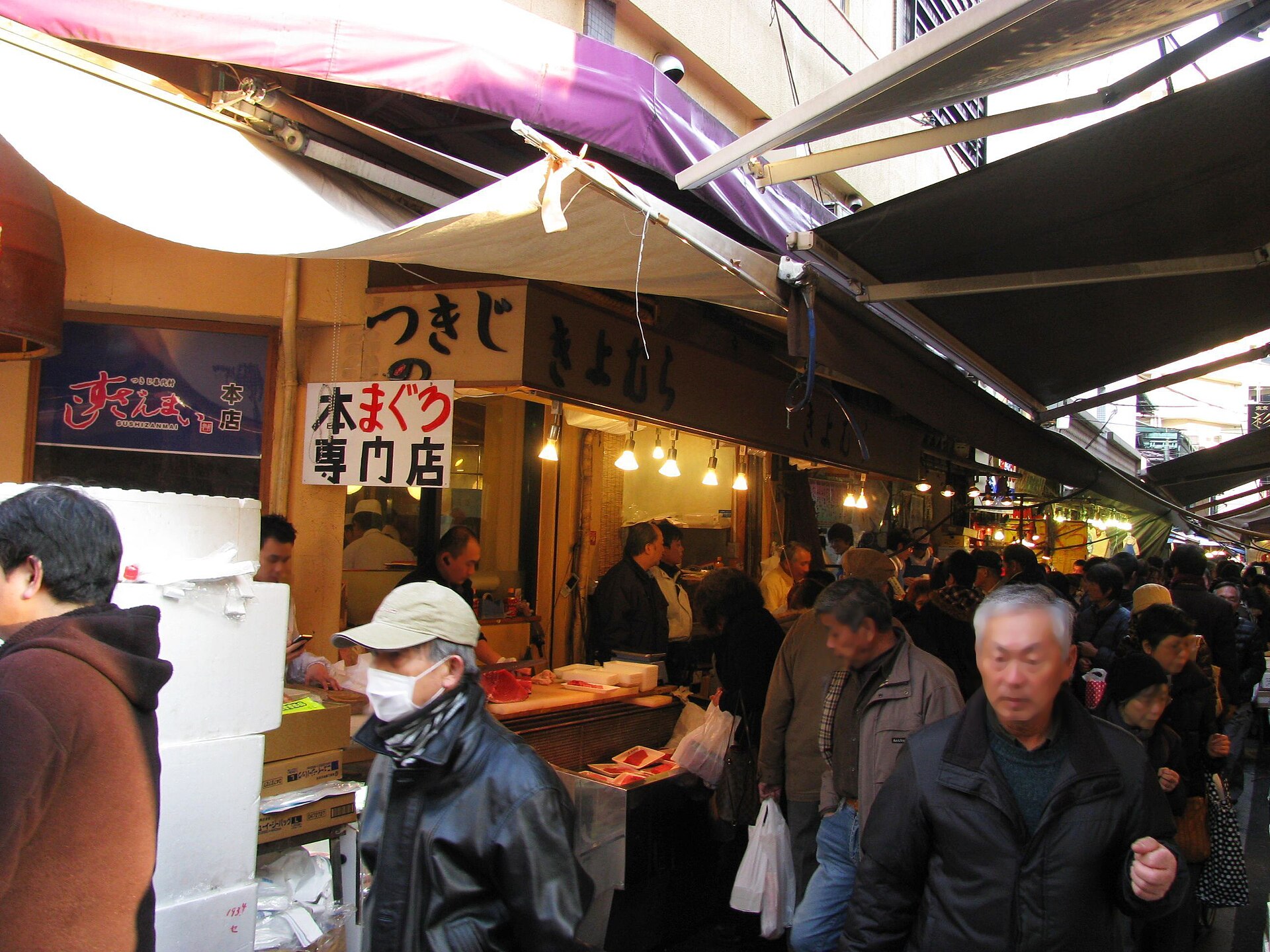
Aimaimyi · CC BY-SA 3.0 · Wikimedia Commons
The inner market moved to Toyosu. Outer is breakfast and knives — go early, leave early.
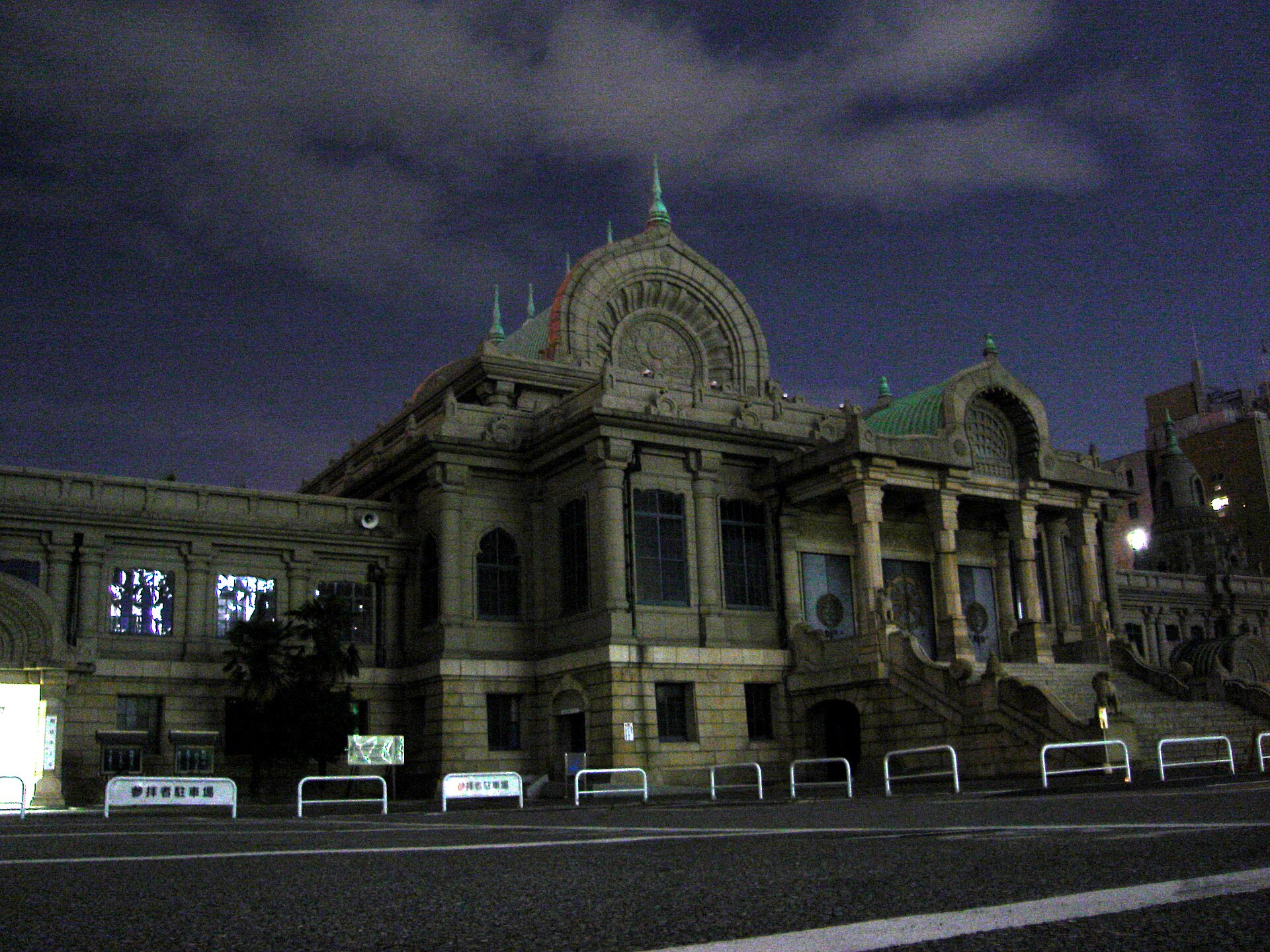
Unknown · CC BY 2.0 · Wikimedia Commons
An Indian-style stone hall next to the outer market. The inner market moved to Toyosu — this is the religious pin of the outer-market story.
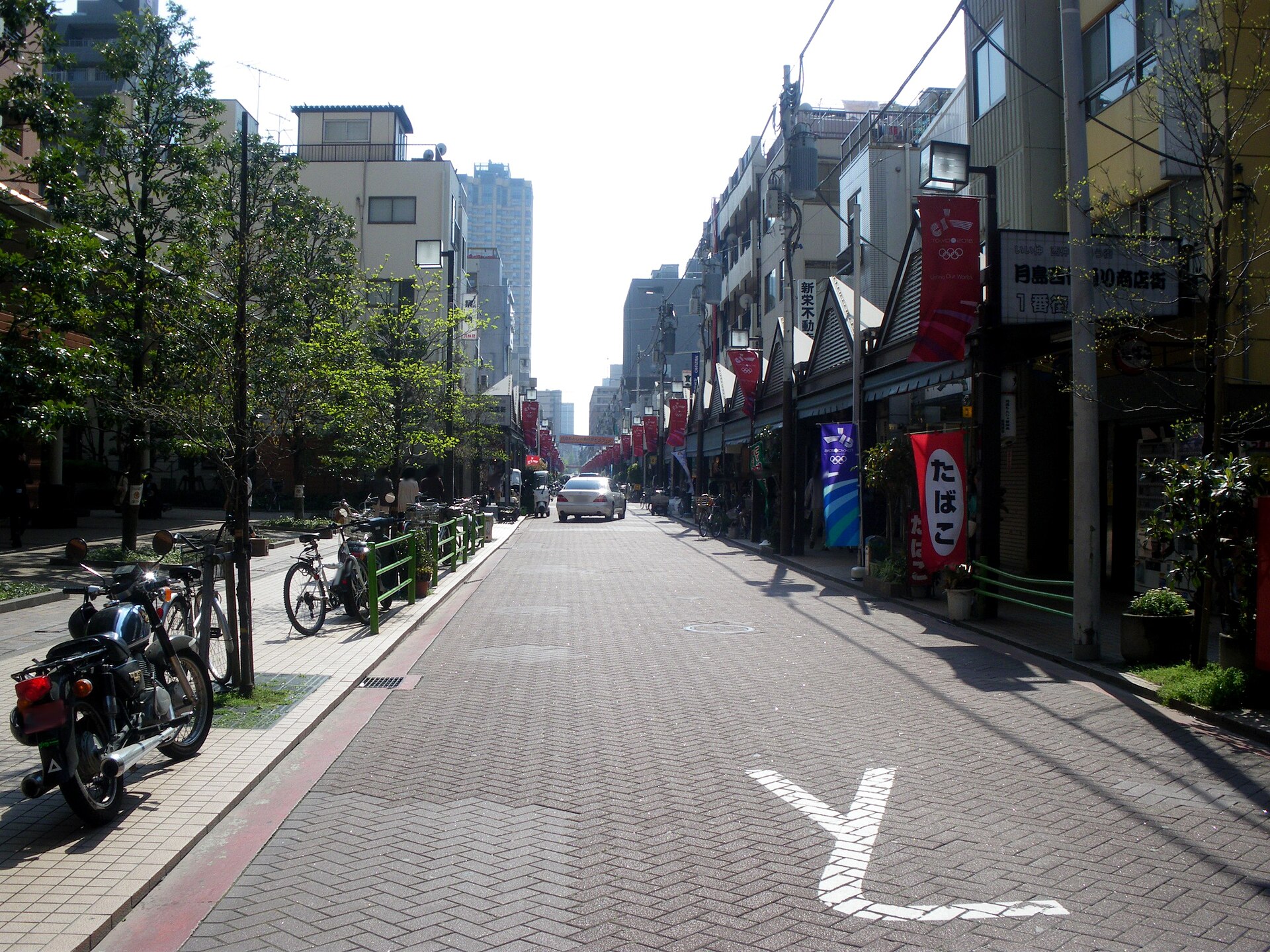
User:Kentin · CC BY-SA 3.0 · Wikimedia Commons
Monjayaki on Nishinaka-dori. One street for lunch or dinner — do not stack it on Tsukiji breakfast.
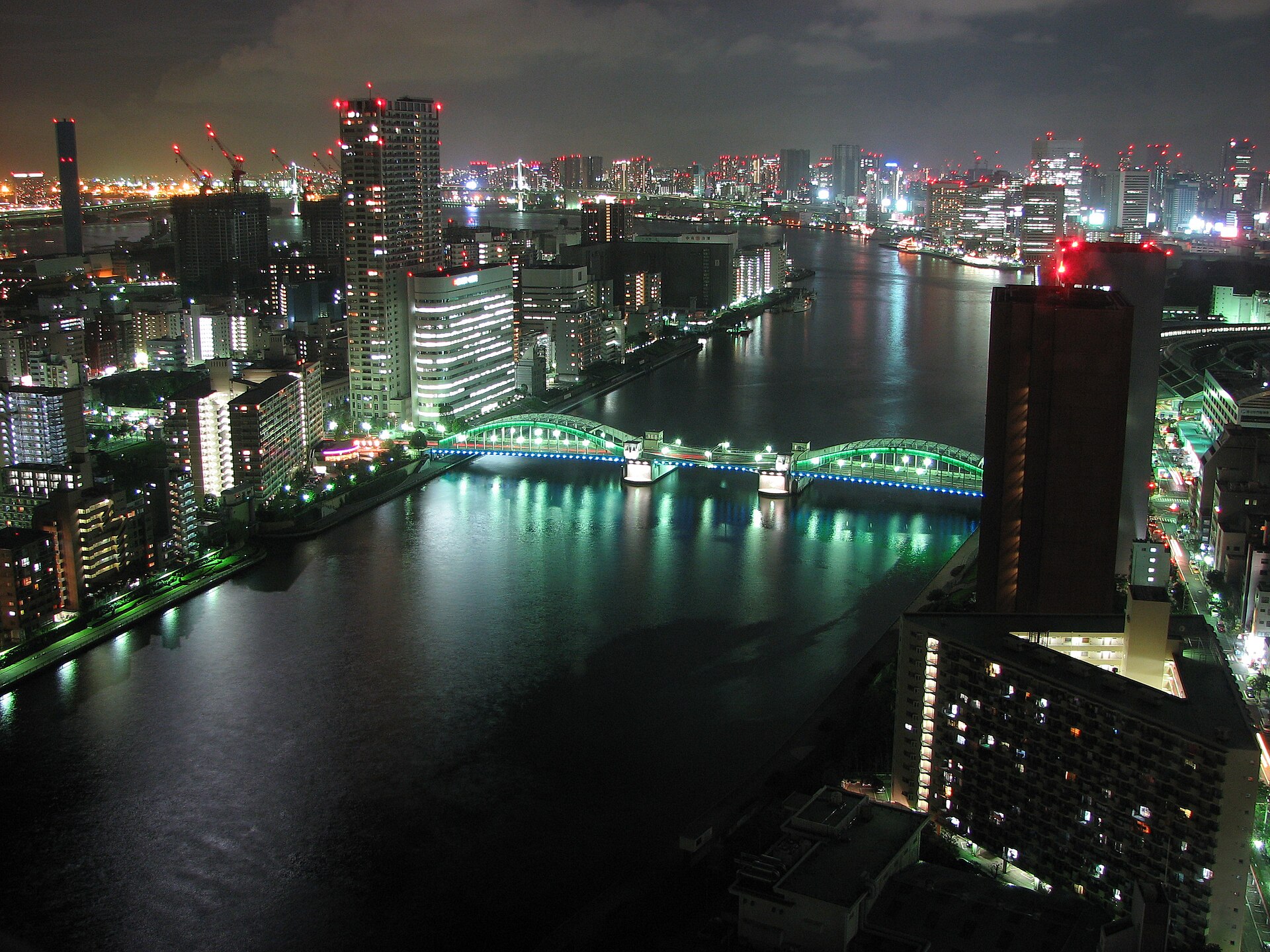
Ian Muttoo · CC BY-SA 2.0 · Wikimedia Commons
The bridge and tower belt south of Tsukishima, west of Toyosu. A transfer node — not a stamp.
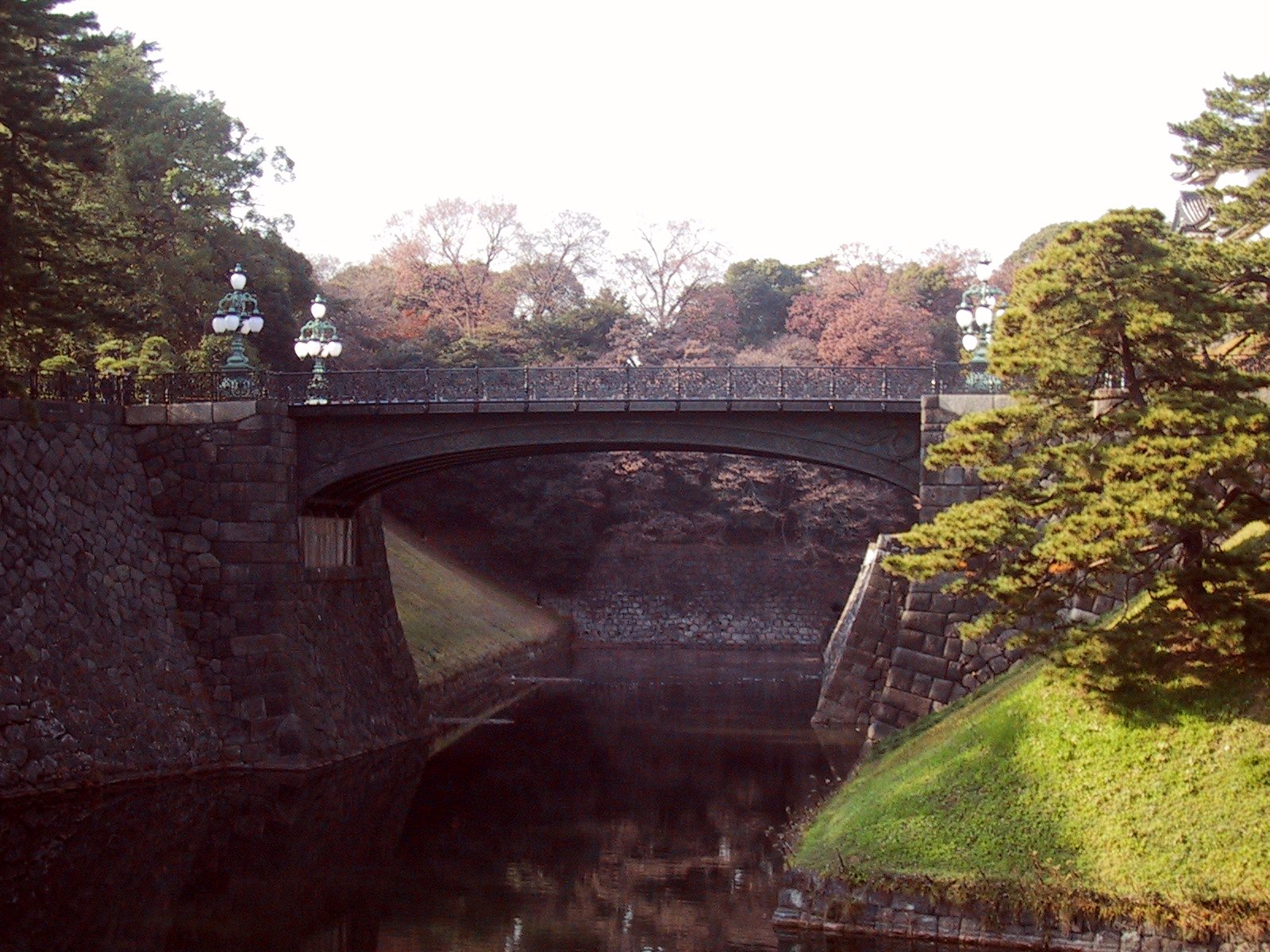
Chris 73 · CC BY-SA 3.0 · Wikimedia Commons
The most photographed bridge of the outer gardens. You are already there after the plaza; the East Gardens need their own slot.
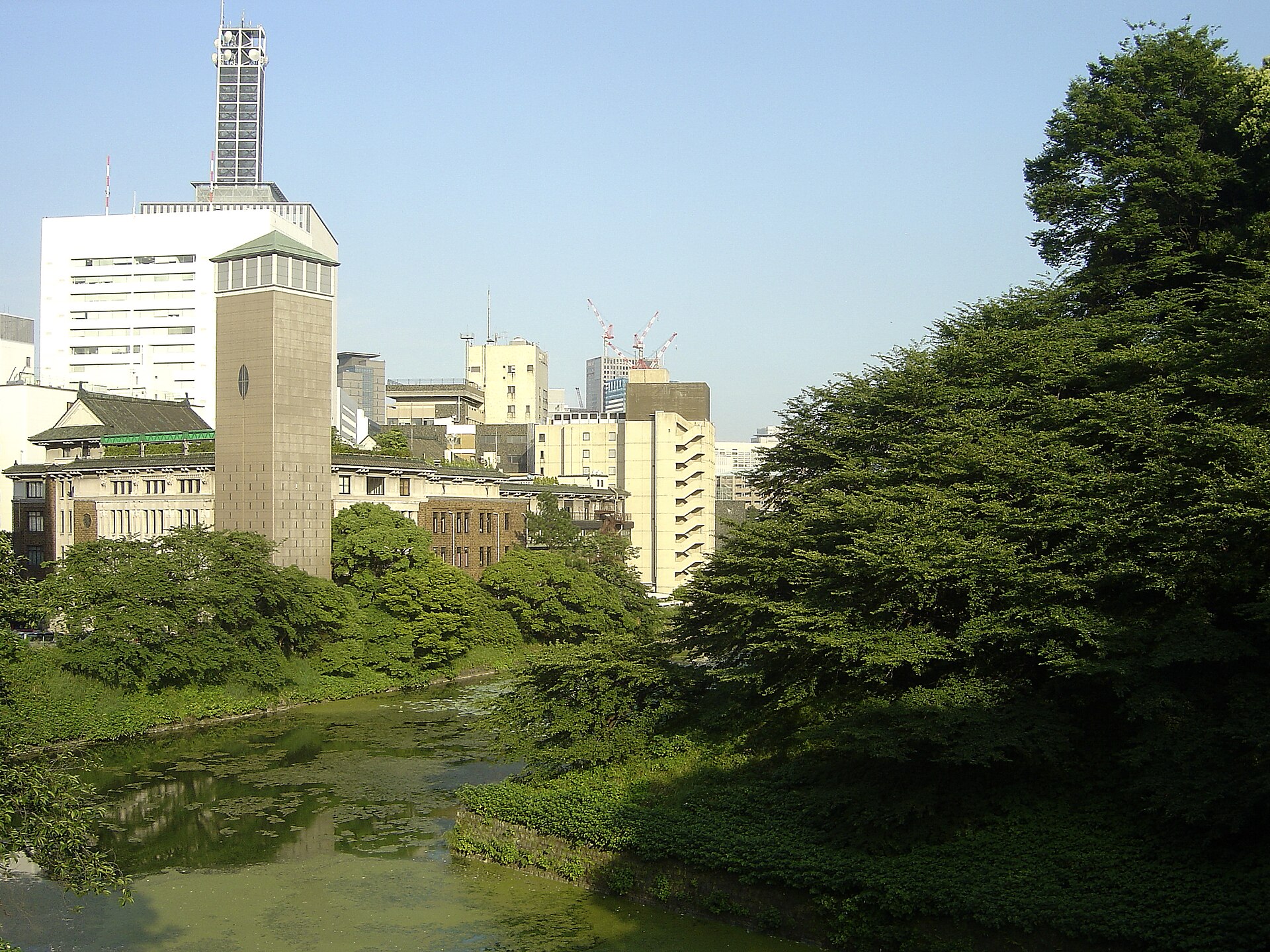
Gary Bembridge from London/ New York, UK · CC BY 2.0 · Wikimedia Commons
Green on the north palace edge. MOMAT sits on the park — the shade stretch of a centre day.
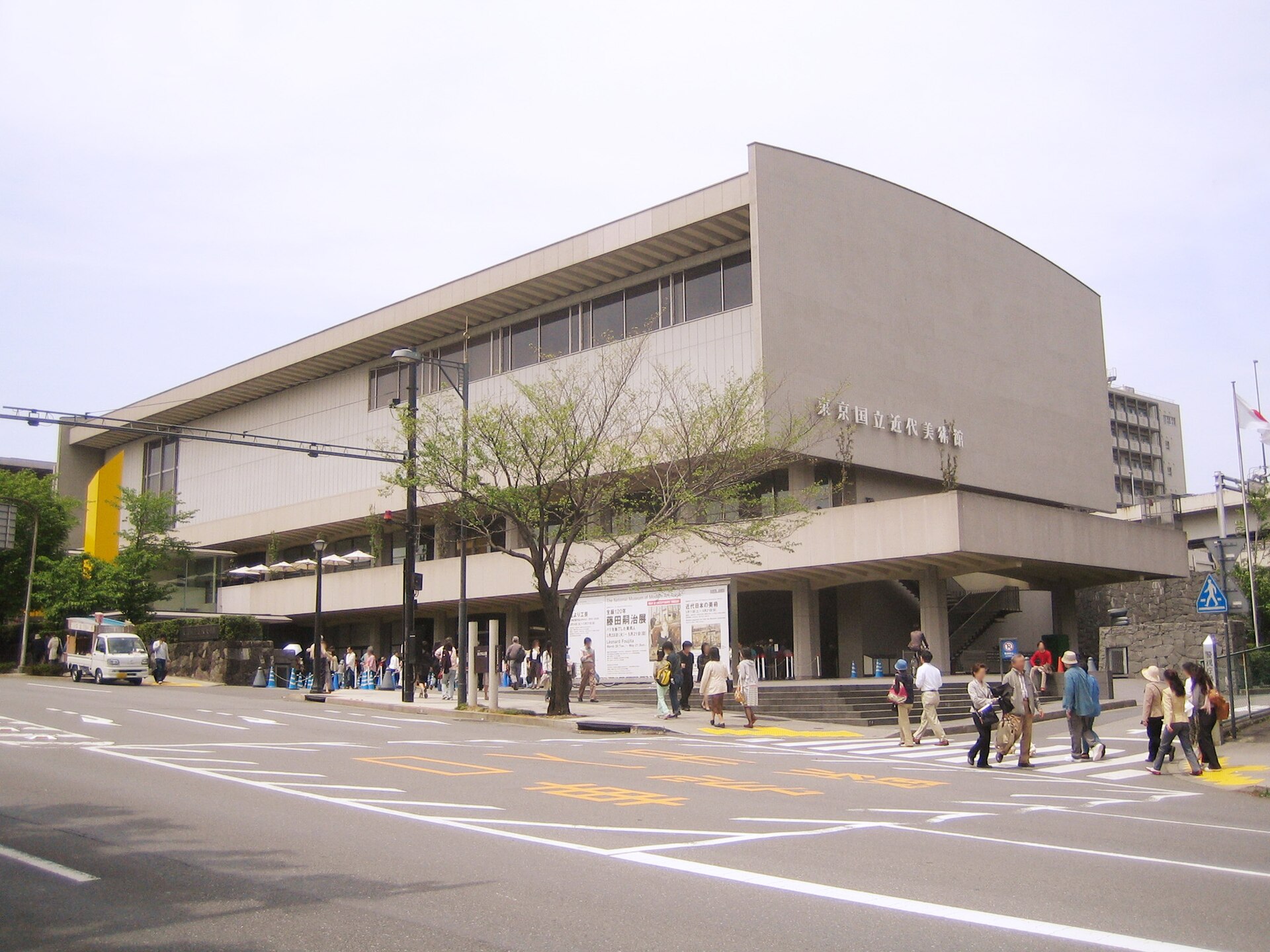
Lombroso · Public domain · Wikimedia Commons
MOMAT on the Kitanomaru edge. A different collection from Ueno’s National Museum — one hall a day.
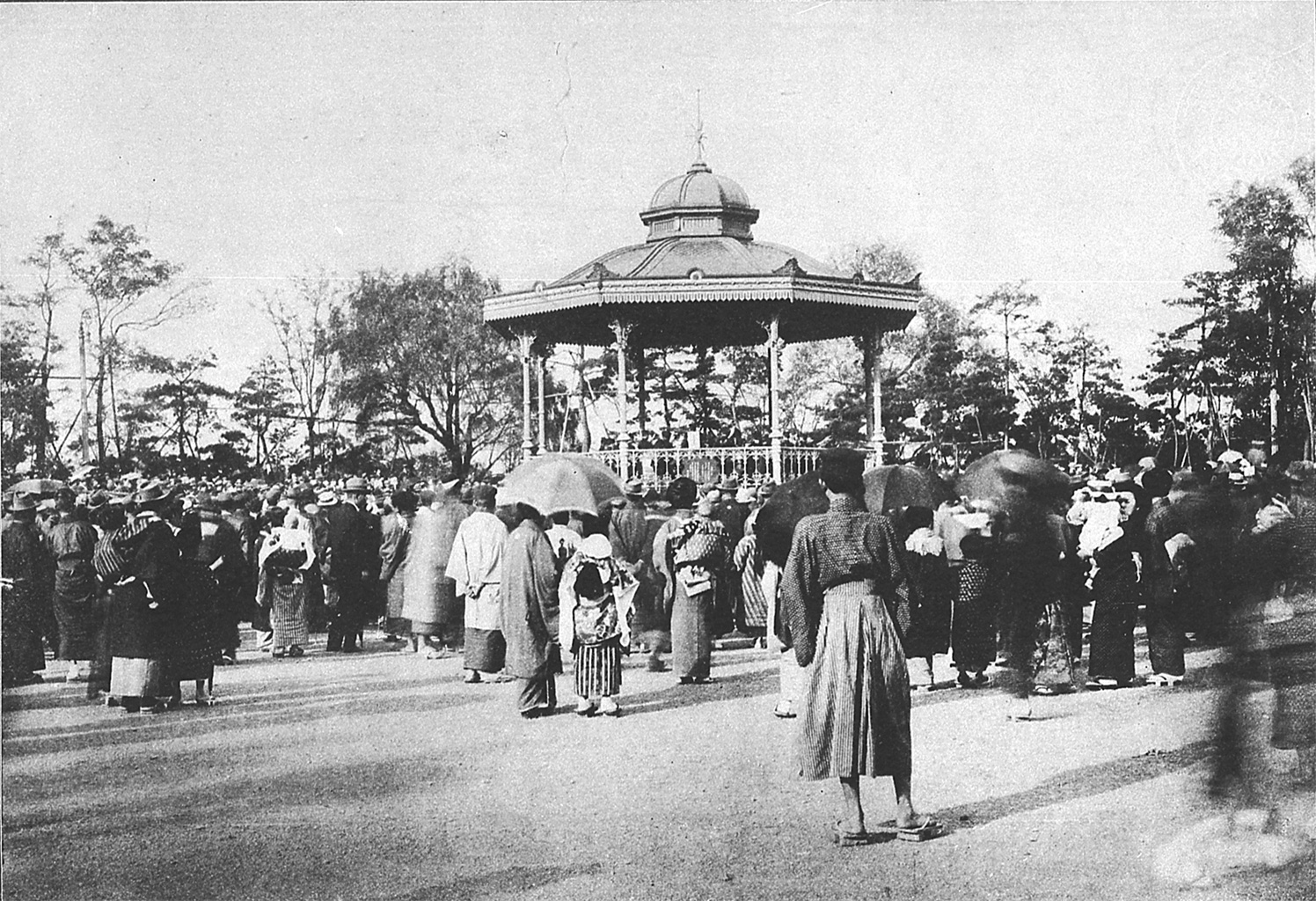
小島又市 · Public domain · Wikimedia Commons
The civic park beside the Imperial Hotel. Green buffer between Ginza and the palace — not a picnic main act.
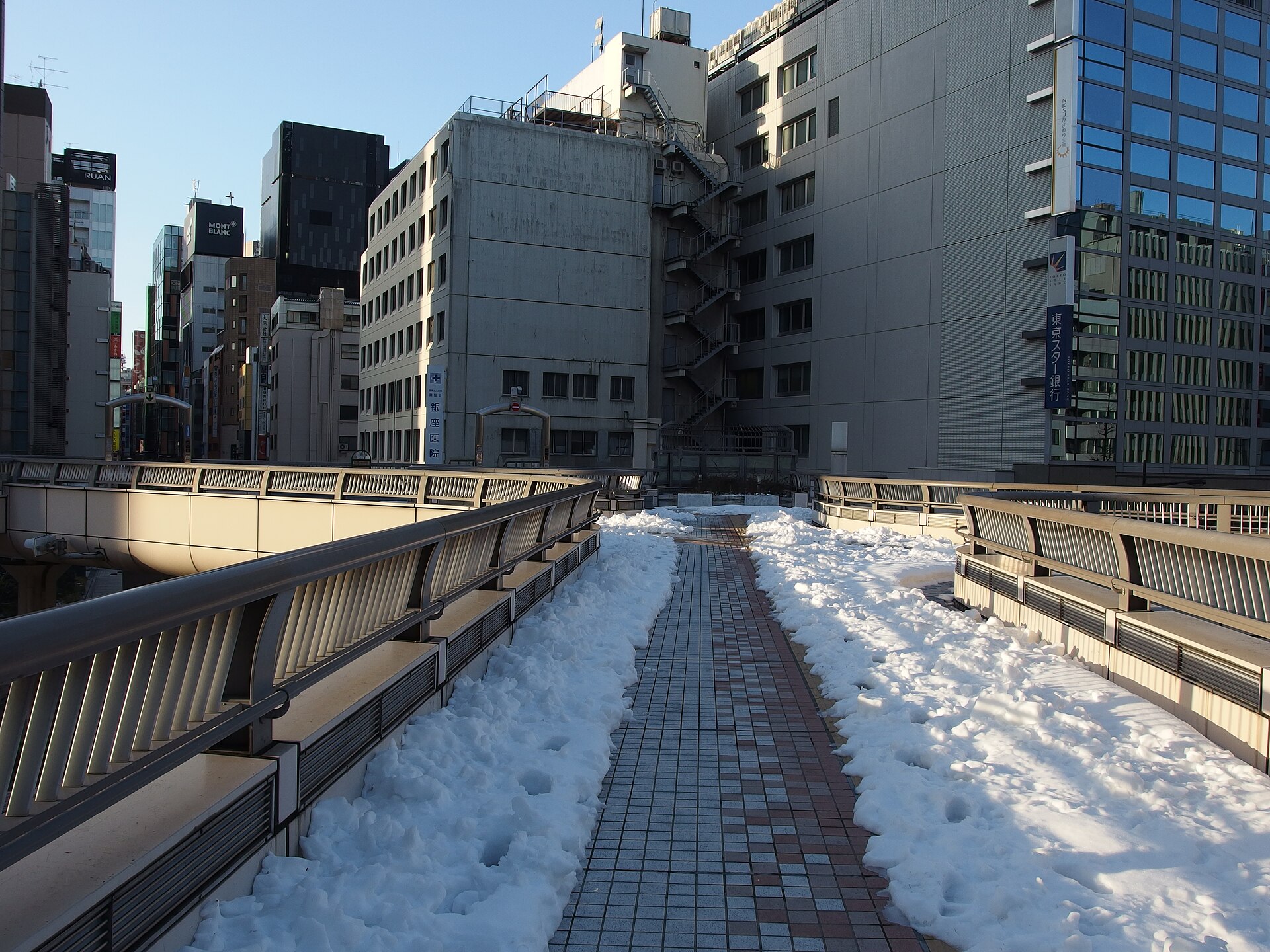
Guilhem Vellut from Annecy, France · CC BY 2.0 · Wikimedia Commons
A station town of salaryman izakaya. Ginza-south dinner node — not a daytime sight.
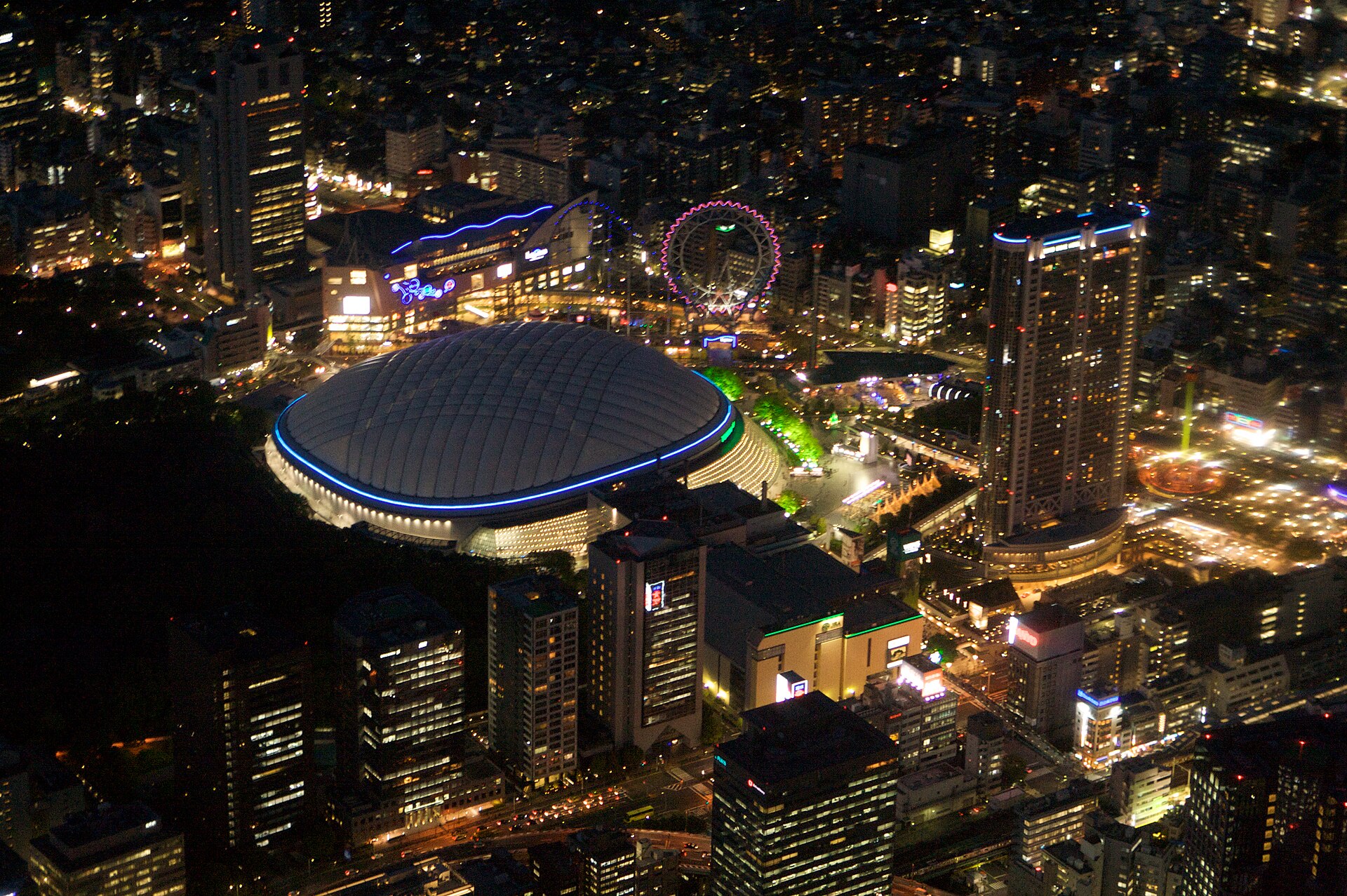
Lukas · CC BY 2.0 · Wikimedia Commons
Dome, rides and onsen in one complex. Home ground for families or a game day — not a city-centre stamp.
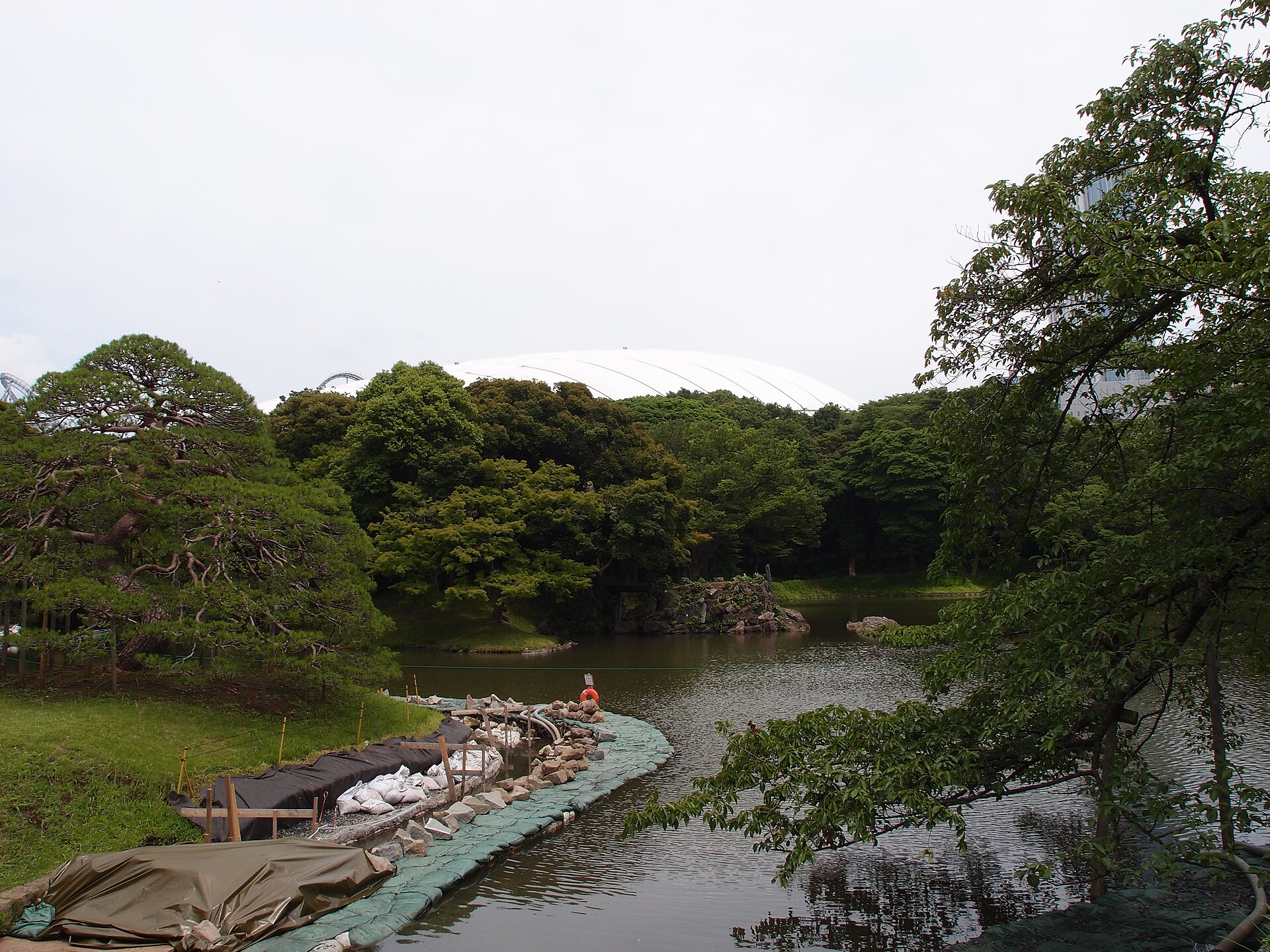
Guilhem Vellut from Annecy, France · CC BY 2.0 · Wikimedia Commons
An Edo stroll garden beside the Dome. Garden or rides — do not finish both and then sprint Ueno.
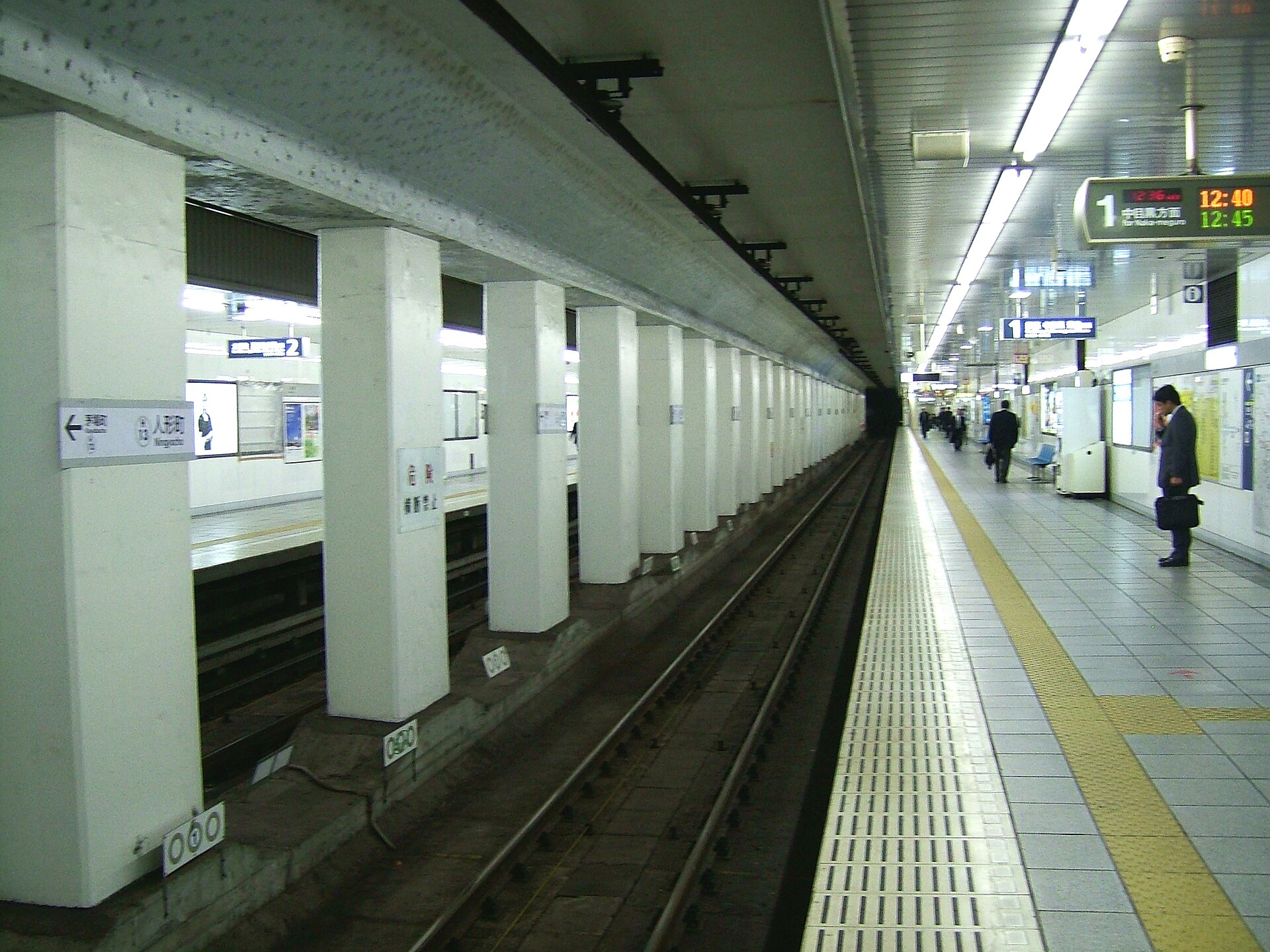
LERK · CC BY 3.0 · Wikimedia Commons
Sweets and dolls east of Nihonbashi. The slow tail of a centre day — do not open Asakusa’s arcade.
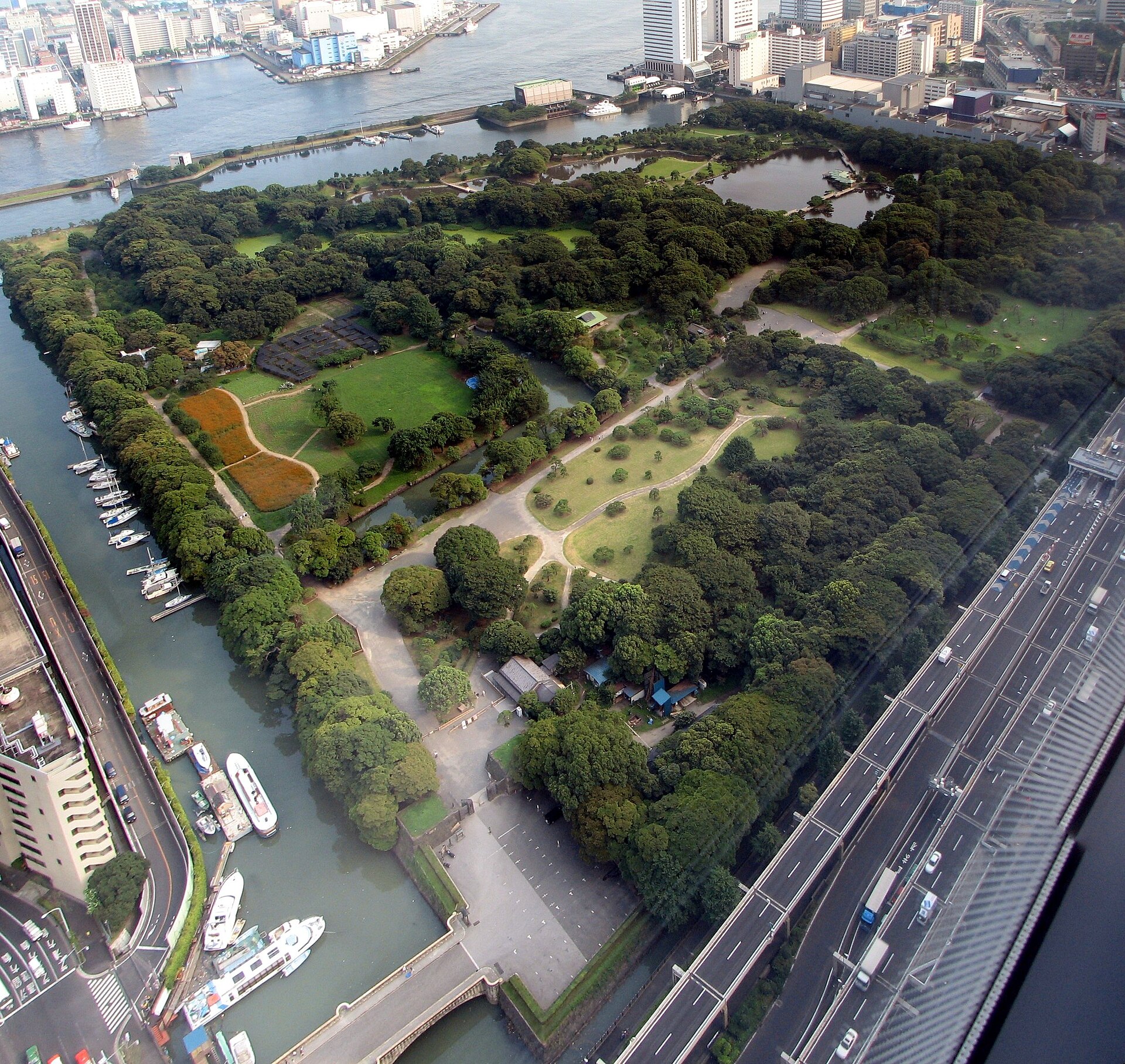
Unknown · CC BY-SA 3.0 · Wikimedia Commons
A tidal garden between Shiodome and Tsukiji. A different stretch from Ginza halls — finish the garden before you go up.
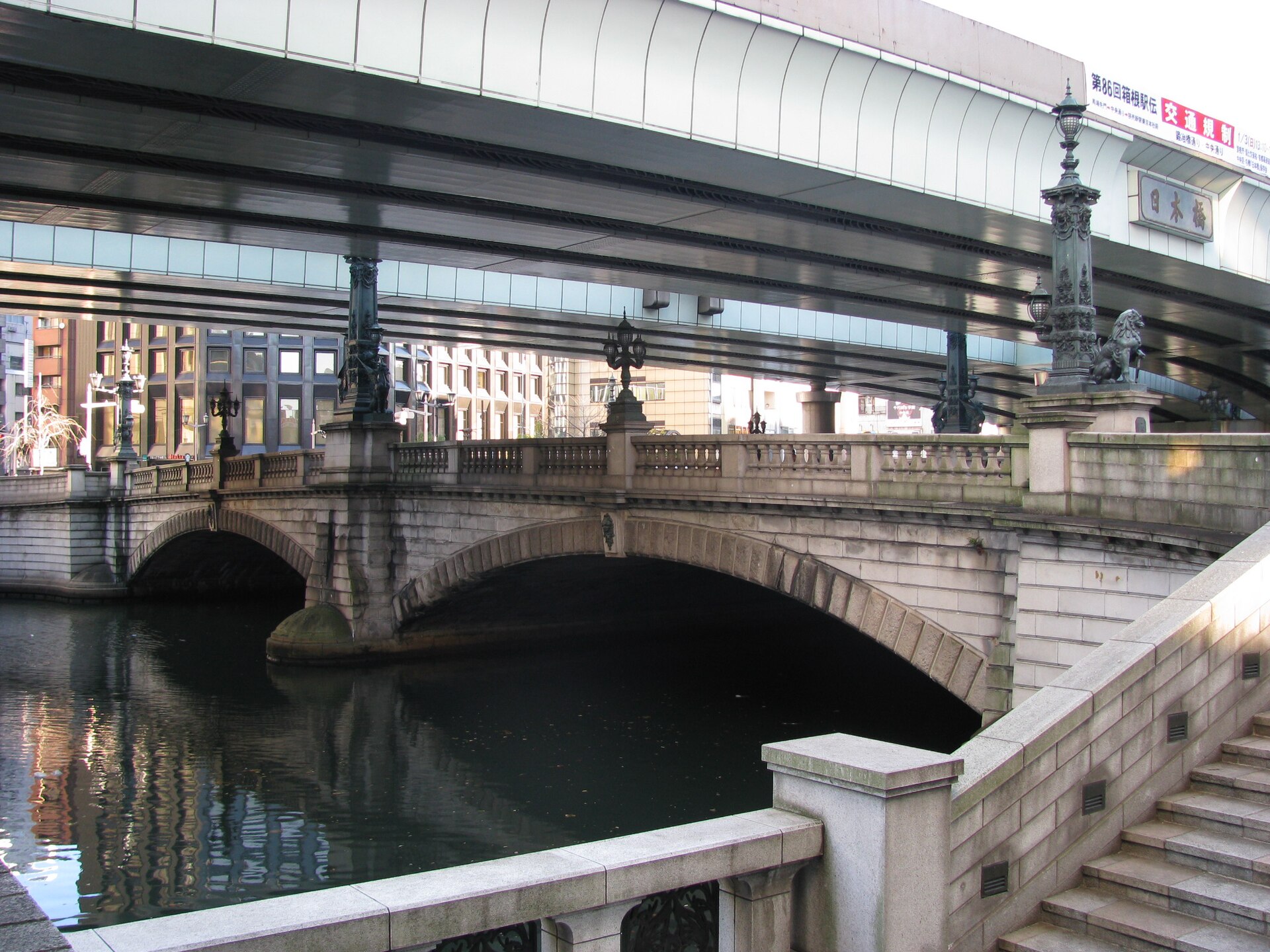
Aimaimyi · CC BY-SA 3.0 · Wikimedia Commons
The zero-mile bridge and hall ring. Same hub day as Tokyo Station — do not open Asakusa.
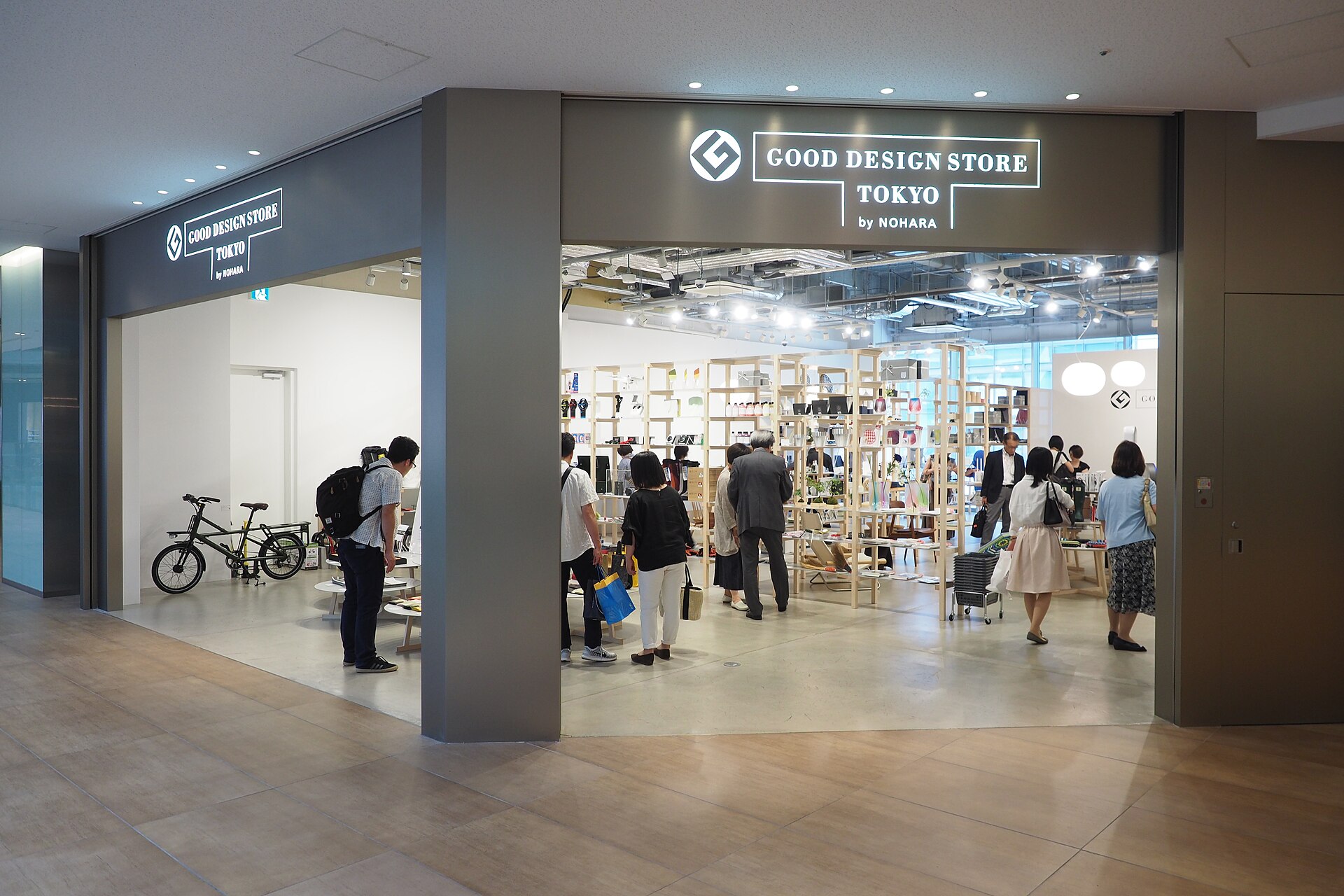
othree · CC BY 2.0 · Wikimedia Commons
The old post building south of Tokyo Station. Roof for brick, basement for boxes. A hub tail — not the spine.
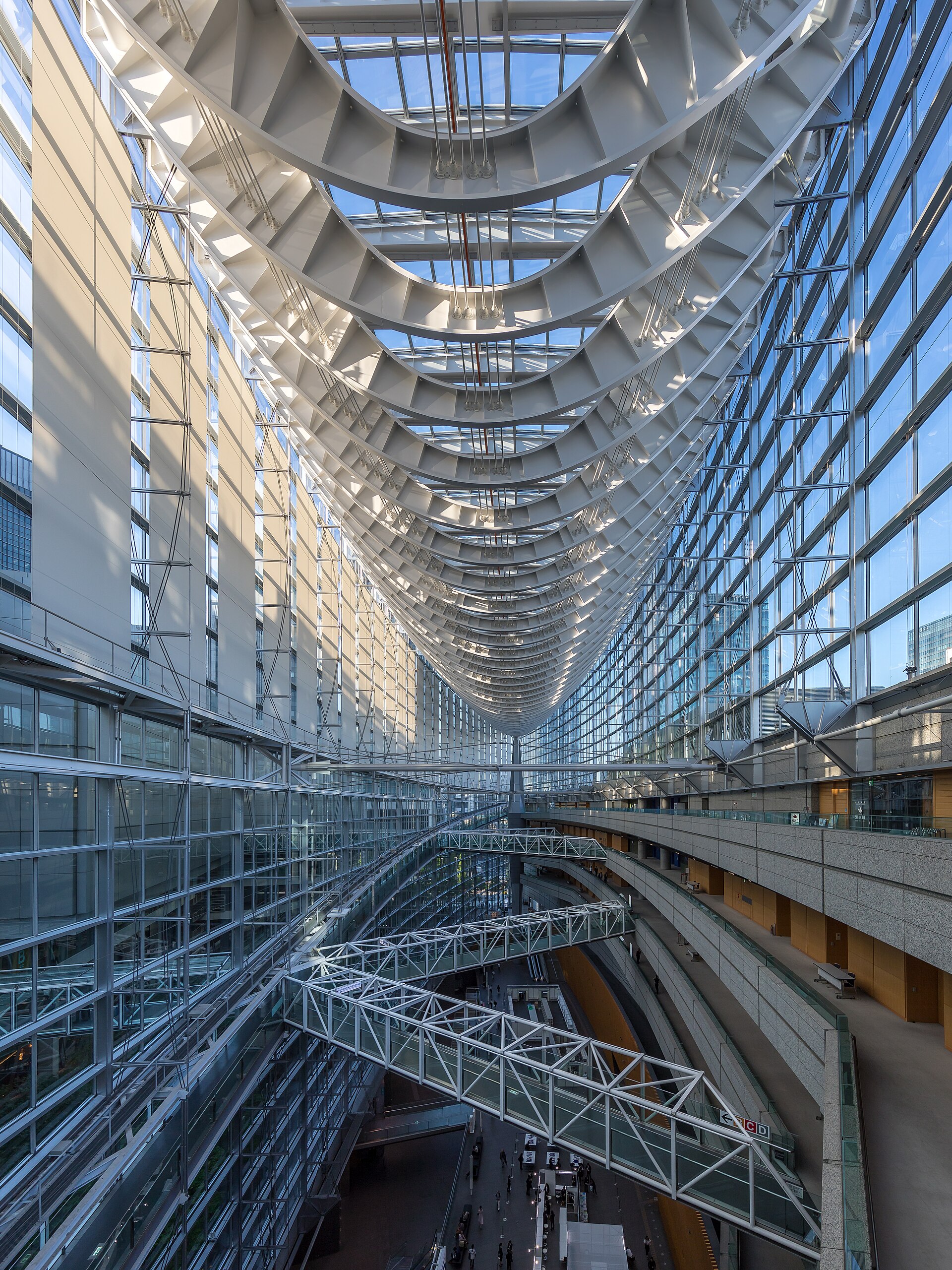
Basile Morin · CC BY-SA 4.0 · Wikimedia Commons
The glass ship between Yurakucho and Tokyo Station. An indoor rain axis — not the show itself.
Next stop
Walk, or take one JR / metro stop to the next sight. Do not backtrack.
Walk · 15min
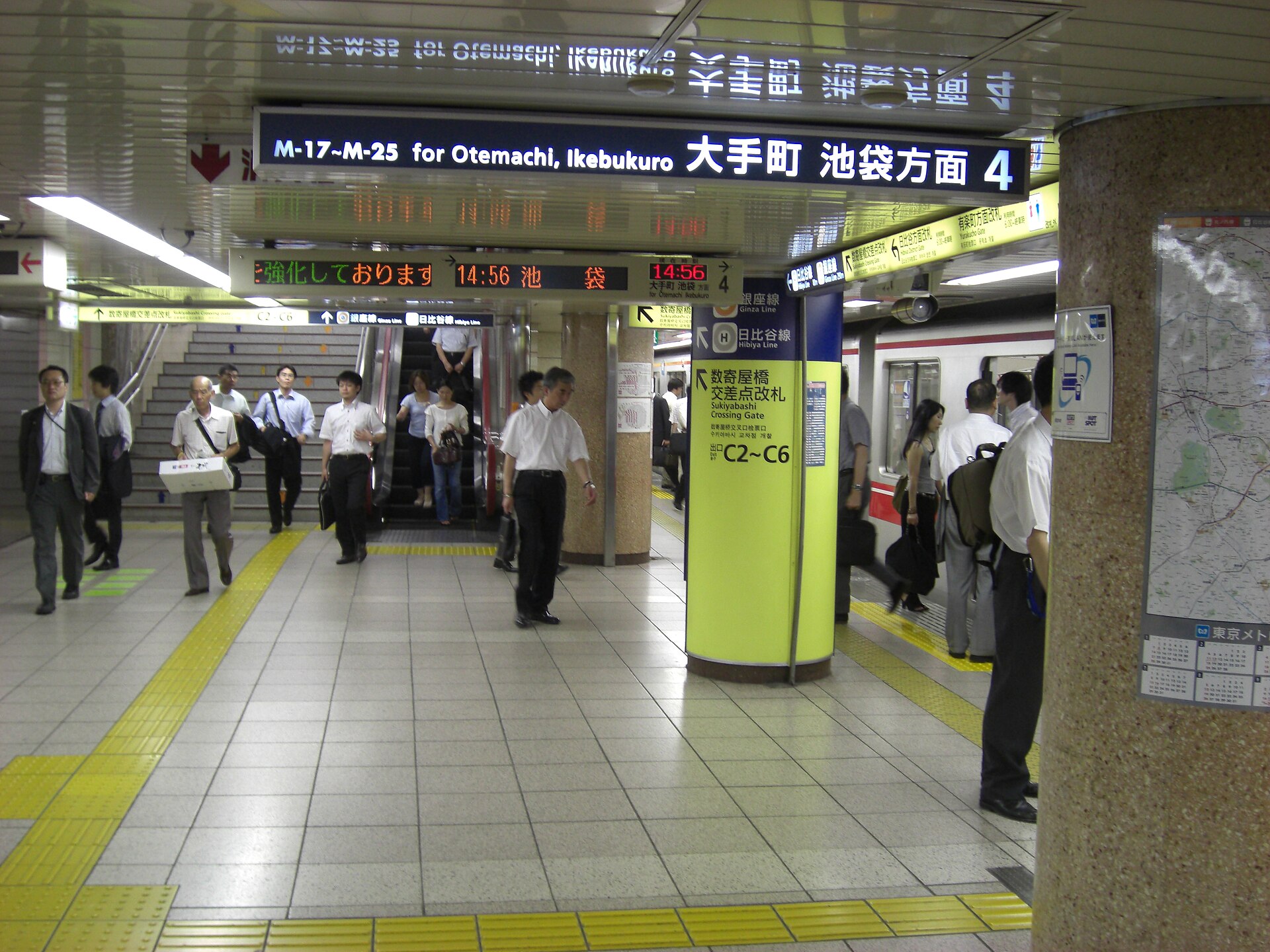
Sukiyabashi / Marunouchi
After the halls, the brick station — not Shibuya.
Walk · 12min
Higashi-ginza
If breakfast is still open, the outer market beats another hall.
Walk · 15min
Shimbashi
After the halls, the tidal garden — do not open Shibuya.